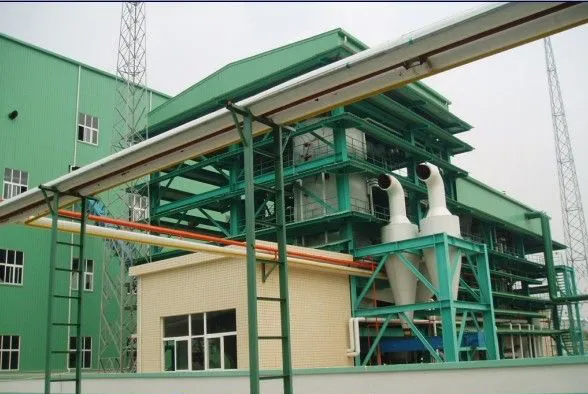
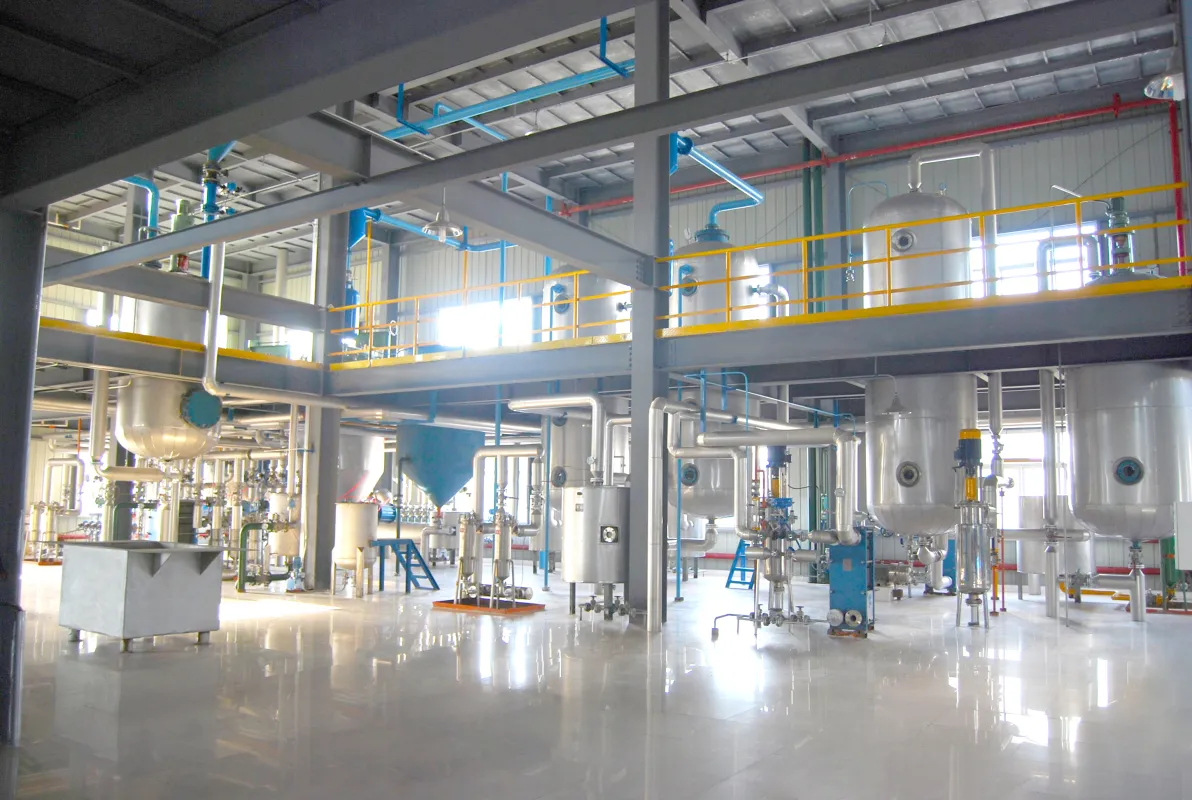
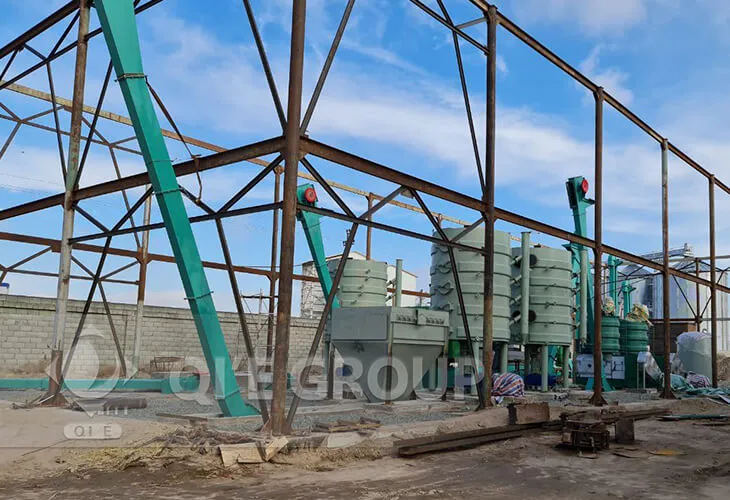
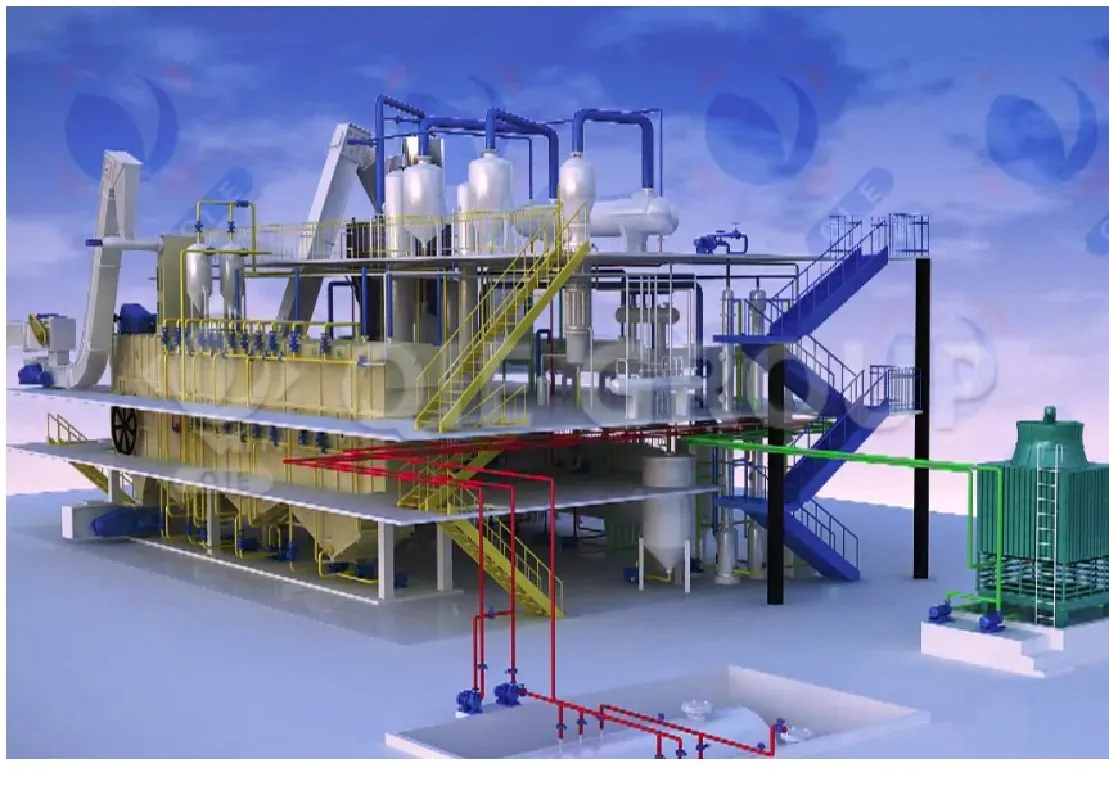
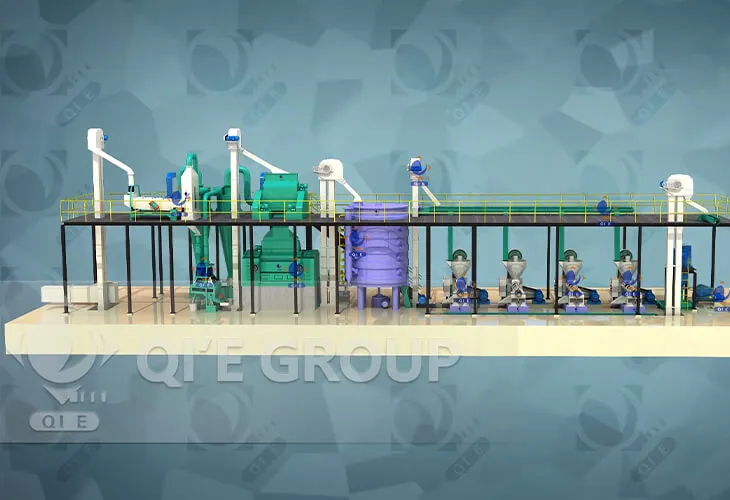
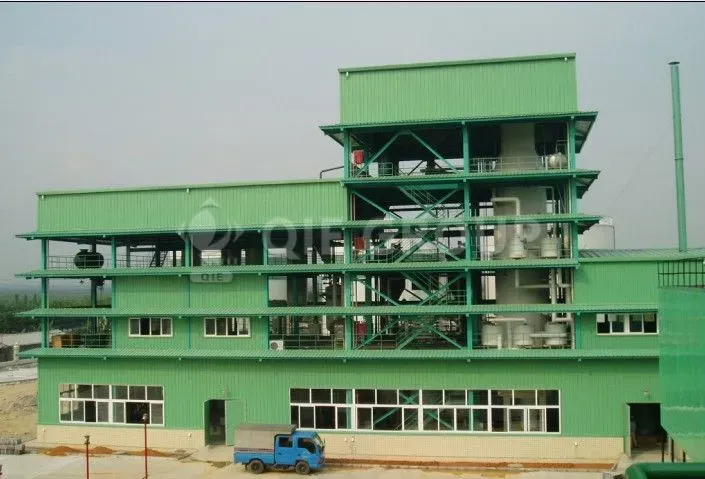
A sunflower oil processing plant converts sunflower seeds into crude or refined sunflower oil through seed preparation, Oil Extraction, crude oil clarification, and, when required, refining and dewaxing. The main equipment depends on the raw seed condition, processing capacity, extraction method, required oil recovery, and finished-oil specifications.
Most sunflower oil plants use one of two extraction configurations: mechanical pressing or pre-pressing followed by solvent extraction. Mechanical pressing is generally suitable for smaller operations and projects prioritizing a simpler process. Pre-press solvent extraction is commonly used in larger plants that need higher overall oil recovery and lower residual oil in the meal.
The following guide explains the main processing stages, equipment functions, and factors to consider when selecting a Sunflower Oil Production Line.
1. Sunflower Oil Processing Plant Process Flow
The complete process depends on whether the plant produces crude sunflower oil or refined cooking oil.
Typical process flow:
Sunflower Seed Receiving → Cleaning → Dehulling (if required) → Flaking → Conditioning → Oil Extraction → Crude Oil Clarification → Crude Oil Storage
For refined sunflower oil, additional stages are required:
Crude Oil → Degumming → Neutralization or Physical Refining → Bleaching → Deodorization → Dewaxing (if required) → Finished Oil Storage
The extraction stage differs according to the selected configuration.
Mechanical pressing process:
Cleaning → Dehulling (if required) → Flaking → Conditioning → Screw Pressing → Crude Oil Clarification → Storage
Pre-press solvent extraction process:
Cleaning → Dehulling (if required) → Flaking → Conditioning → Pre-pressing → Cake Breaking → Solvent Extraction → Meal Desolventizing → Crude Oil Recovery → Clarification → Storage
The first configuration uses screw presses to extract oil directly from prepared seeds. The second combines mechanical pre-pressing with solvent extraction to recover more of the remaining oil from the press cake.
2. Key Processing Steps and Equipment
The equipment in a sunflower oil processing plant must match the requirements of each processing stage. The following table summarizes the main equipment and its functions.
| Processing stage | Main equipment | Main function |
|---|---|---|
| Seed cleaning | Vibrating screen, destoner, magnetic separator, aspirator | Remove impurities, stones, metal, and light materials |
| Dehulling | Sunflower dehuller, hull separator | Separate hulls from kernels when required |
| Flaking | Flaking mill | Produce uniform flakes for conditioning and extraction |
| Conditioning | Cooker, conditioner | Adjust seed temperature and moisture |
| Mechanical pressing | Screw oil press | Extract oil mechanically |
| Pre-pressing | Pre-press screw press | Remove part of the oil before solvent extraction |
| Solvent extraction | Extractor, evaporator, stripper | Recover oil from press cake using solvent |
| Meal treatment | Desolventizer-toaster | Remove residual solvent from extracted meal |
| Crude oil clarification | Settling tank, filter, oil pump | Remove suspended solids and residual moisture |
| Refining | Degumming, neutralization, bleaching, deodorization equipment | Improve crude oil quality |
| Dewaxing | Cooling tank, crystallizer, filtration system | Remove waxes when required by product specifications |
2.1 Sunflower Seed Cleaning
Cleaning removes foreign materials before the seeds enter the processing line. Stones, dust, metal, plant residues, and other impurities can affect equipment operation, increase wear, and reduce the quality of the extracted oil.
Common cleaning equipment includes:
- Vibrating screen: Separates impurities according to particle size.
- Destoner: Removes stones and other heavy materials.
- Magnetic separator: Removes ferrous metal particles.
- Air aspirator: Separates dust, husks, and other lightweight materials.
The cleaning system should be selected according to the impurity content and physical condition of the incoming sunflower seeds.

2.2 Sunflower Seed Dehulling
Sunflower seeds have a hull surrounding the kernel. Dehulling separates the hulls from the kernels before oil extraction when the raw material and process design require it.
The main equipment includes a sunflower seed dehuller, hull separator, and aspiration system.
The purpose of dehulling is to control the amount of hull entering the extraction system. Excessive hull content can dilute the oil-bearing material and affect meal quality and extraction performance.
However, complete dehulling is not necessary for every plant. The decision depends on seed characteristics, equipment configuration, production capacity, and the intended meal specification.

2.3 Flaking and Conditioning
After cleaning and optional dehulling, the prepared sunflower material enters the flaking and conditioning stages.
Flaking mill
The flaking mill compresses the material into thin, relatively uniform flakes. Proper flaking helps improve oil release during mechanical pressing or solvent extraction.
Flake thickness and uniformity should be controlled according to the extraction method and equipment requirements.
Cooker or conditioner
The conditioner adjusts the temperature and moisture of the flakes before extraction. This helps prepare the material for pressing or solvent contact.
Operating conditions should be determined through raw material testing and process design. Fixed temperature, moisture, or conditioning-time values should not be applied to every sunflower oil plant because seed varieties, initial moisture, and equipment designs differ.

2.4 Mechanical Pressing
Mechanical pressing uses a screw oil press to extract oil from conditioned sunflower material.
The main equipment includes:
- Screw oil press
- Crude oil collection tank
- Oil transfer pump
- Crude oil filter
- Press cake conveyor
Inside the screw press, the material is conveyed and compressed under increasing pressure. Oil flows through the press drainage openings, while the remaining solid material is discharged as press cake.
Mechanical pressing offers a relatively straightforward extraction process. However, the amount of oil remaining in the press cake depends on seed preparation, conditioning, press design, and operating conditions.
The press cake may be used as a feed ingredient when it meets the relevant quality and safety requirements.

2.5 Pre-Pressing and Solvent Extraction
For plants requiring higher overall oil recovery, pre-pressing followed by solvent extraction is a common configuration.
The process first uses a pre-press screw press to remove part of the oil mechanically. The remaining press cake is then prepared for solvent extraction.
The main equipment includes:
- Pre-press screw press
- Cake breaker
- Solvent extractor
- Miscella filtration equipment
- Evaporator
- Stripper
- Desolventizer-toaster
- Solvent circulation and recovery system
Solvent extraction process
The prepared press cake enters the extractor, where solvent contacts the material and dissolves the remaining oil. The oil-solvent mixture, known as miscella, is separated from the solid meal.
The miscella then passes through evaporation and stripping stages to separate the solvent from the oil. The recovered solvent is returned to the extraction system.
The extracted meal enters the desolventizing-toasting section, where residual solvent is removed and the meal is further treated.
Solvent system safety
A solvent extraction plant requires dedicated safety and recovery systems. Project design should account for:
- Solvent storage and controlled transfer
- Solvent circulation and recovery
- Explosion-protected electrical equipment where required
- Ventilation and gas monitoring
- Fire prevention and protection
- Safe meal desolventizing and solvent discharge control
These systems are essential parts of the extraction plant, not optional accessories.

2.6 Crude Sunflower Oil Clarification
Crude oil from pressing or solvent extraction contains suspended solids and may contain residual moisture. Clarification removes these impurities before storage or further refining.
Typical equipment includes:
- Settling tanks
- Crude oil filters
- Oil pumps
- Transfer pipelines
- Intermediate storage tanks
The clarification system should be designed according to the crude oil flow rate and the amount of impurities carried over from extraction.
If the plant produces crude sunflower oil only, the clarified oil can be transferred to crude oil storage. If refined cooking oil is required, it proceeds to the refining section.
2.7 Sunflower Oil Refining
Crude sunflower oil may contain phospholipids, free fatty acids, pigments, odor compounds, and other impurities. Refining reduces these components to meet the required finished-oil specifications.
A typical refining process includes the following stages:
Degumming
Degumming removes phospholipids and other gum-forming substances. The process may use water or acid treatment, depending on crude oil characteristics and the selected refining method.
Neutralization or physical refining
Chemical refining uses alkali to reduce free fatty acids and remove certain impurities. Physical refining removes free fatty acids mainly through steam distillation after appropriate pretreatment.
The choice depends on crude oil quality, impurity levels, operating costs, and the plant's refining design.
Bleaching
Bleaching uses adsorbent materials, such as bleaching earth, to reduce pigments and other substances that affect oil appearance and quality.
Deodorization
Deodorization uses steam under vacuum and controlled temperature conditions to remove unwanted odor and flavor compounds.
The refining line should be designed around the required oil quality rather than adding every possible treatment stage without a clear technical need.

2.8 Sunflower Oil Dewaxing
Sunflower oil naturally contains waxes that can cause cloudiness or sediment formation at low temperatures. Dewaxing is used when the finished product needs better cold-temperature clarity.
The main equipment includes:
- Cooling system
- Crystallization tanks
- Temperature-control equipment
- Filtration system
During dewaxing, the oil is cooled under controlled conditions so that waxes crystallize. The crystals are then separated through filtration.
Dewaxing is not required for every crude or refined sunflower oil product. Its necessity depends on the finished-oil specifications, storage conditions, and market requirements.
3. How to Choose the Right Sunflower Oil Extraction Configuration
The main extraction decision is whether to use mechanical pressing alone or pre-pressing followed by solvent extraction. The choice affects equipment configuration, oil recovery, meal characteristics, investment, and operating requirements.
3.1 Mechanical Pressing vs. Pre-Press Solvent Extraction
| Comparison factor | Mechanical pressing | Pre-press solvent extraction |
|---|---|---|
| Extraction method | Mechanical pressure | Mechanical pre-pressing followed by solvent extraction |
| Main equipment | Screw oil press and oil filtration system | Pre-press, extractor, solvent recovery, and meal treatment systems |
| Process complexity | Relatively simple | More complex |
| Oil recovery | Depends on press performance and operating conditions | Generally higher overall recovery when properly designed |
| Residual oil in meal | Usually higher | Usually lower |
| Investment | Generally lower | Generally higher |
| Operating requirements | Mainly mechanical and thermal systems | Requires solvent management, recovery, and additional safety systems |
| Typical application | Smaller or simpler production operations | Larger plants requiring higher oil recovery |
Mechanical pressing is appropriate when the project prioritizes a simpler process and can accept the resulting residual oil in the press cake.
Pre-press solvent extraction is suitable when the project requires higher overall oil recovery and the additional investment, operating complexity, and safety requirements can be justified.
Plant capacity is an important factor, but it should not be the only basis for selecting an extraction method.
3.2 How Plant Capacity Affects Equipment Configuration
The processing capacity determines the required throughput of the cleaning, preparation, extraction, oil handling, and storage systems.
For example, a plant processing a larger quantity of sunflower seeds per day needs corresponding equipment capacity at every stage. If the press can process more material than the cleaning or conditioning system supplies, the extraction equipment may remain underutilized. If the extraction section processes material faster than the oil clarification system can handle it, production bottlenecks may occur.
Capacity planning should therefore consider the complete processing line rather than selecting individual machines separately.
The equipment configuration should account for:
- Daily sunflower seed processing capacity
- Available operating hours
- Raw material supply throughout the year
- Required extraction method
- Expected production interruptions
- Space for maintenance and future expansion
3.3 Oil Recovery and Residual Oil in Sunflower Meal
Oil recovery is one of the main technical indicators when comparing sunflower oil extraction configurations.
Mechanical pressing leaves some oil in the press cake. Pre-press solvent extraction recovers additional oil from the cake, reducing the residual oil content in the meal.
The actual result depends on:
- Initial oil content of the sunflower seeds
- Seed cleaning and dehulling performance
- Flaking and conditioning conditions
- Press design and operating parameters
- Solvent extraction efficiency
- Material handling and oil losses
When comparing equipment quotations, buyers should request the expected oil recovery and residual oil content in the meal under clearly defined raw material and operating conditions.
A higher nominal processing capacity does not automatically mean higher oil recovery. Extraction performance depends on the complete process configuration and operating control.
4. Key Factors for Selecting Sunflower Oil Processing Equipment
Equipment selection should be based on raw material characteristics, processing capacity, extraction performance, and finished-oil requirements.
4.1 Raw Material Characteristics
Sunflower seed varieties and batches can differ in oil content, moisture, impurity level, hull proportion, and physical condition.
These differences affect cleaning, dehulling, conditioning, and extraction performance.
Before selecting equipment, buyers should provide representative sunflower seed samples or test data. This helps the equipment supplier determine the appropriate preparation process and extraction configuration.
4.2 Processing Capacity and Equipment Matching
The rated capacity of each machine should match the actual material flow through the plant.
The cleaning, dehulling, flaking, conditioning, pressing, extraction, clarification, and storage sections should be coordinated to avoid bottlenecks.
When reviewing a quotation, buyers should check whether the stated capacity refers to raw sunflower seed input or another processing stage. Equipment capacity should be clearly defined using consistent units, such as metric tons of sunflower seeds per day.
4.3 Oil Recovery and Meal Quality
The extraction system should meet the project's oil recovery target while maintaining the required meal quality.
Buyers should compare:
- Expected oil recovery
- Residual oil content in press cake or extracted meal
- Oil losses during clarification and transfer
- Meal condition after processing
- Whether the meal requires further treatment
These indicators provide a more useful basis for evaluating extraction equipment than processing capacity alone.
4.4 Refining and Finished-Oil Requirements
The refining configuration should be determined by the intended finished-oil specifications.
A plant producing crude sunflower oil does not need a complete refining line. A plant producing refined cooking oil may require degumming, neutralization or physical refining, bleaching, and deodorization.
Dewaxing should be included when the required finished-oil clarity and cold-temperature performance justify it.
Defining the finished product before equipment selection helps prevent unnecessary investment in equipment that does not contribute to the required output.
5. Common Mistakes When Selecting Sunflower Oil Processing Equipment
Several equipment-selection mistakes can affect plant performance and investment efficiency.
- Selecting equipment based only on capacity: A machine's nominal throughput does not confirm that the complete production line can operate at the same capacity.
- Ignoring raw material differences: Seed moisture, oil content, impurity level, and hull proportion influence preparation and extraction requirements.
- Comparing extraction methods only by equipment price: Mechanical pressing and solvent extraction have different oil recovery, operating, and safety requirements.
- Adding refining equipment without defining product specifications: Not every project requires a complete refining and dewaxing line.
A reliable selection should evaluate the complete process, including oil recovery, meal quality, utilities, safety systems, and finished-oil requirements.
6. Engineering Recommendations for Sunflower Oil Plant Configuration
A suitable sunflower oil processing plant should be designed around the raw material, required throughput, extraction method, and final product. The equipment supplier should evaluate these factors together before confirming the process flow and machine specifications.
Before requesting a technical proposal, buyers should prepare the following information:
| Project information | Details to provide |
|---|---|
| Raw material | Sunflower seed variety, oil content, moisture, and impurity level |
| Processing capacity | Required metric tons of sunflower seeds processed per day |
| Operating schedule | Planned operating hours per day and operating days per year |
| Extraction method | Mechanical pressing or pre-press solvent extraction, if already determined |
| Final product | Crude sunflower oil or refined sunflower cooking oil |
| Oil quality | Required finished-oil specifications |
| Meal requirements | Whether press cake or extracted meal will be sold or used as feed material |
| Project location | Country, available utilities, and local installation conditions |
This information helps determine the process configuration, equipment capacity, auxiliary systems, and project scope.
A complete technical proposal should also clarify whether the quotation includes installation, commissioning, electrical systems, pipelines, storage tanks, solvent recovery, and environmental protection equipment.
7. Frequently Asked Questions About Sunflower Oil Processing Plants
7.1 What Equipment Is Needed for a Sunflower Oil Processing Plant?
The main equipment includes seed cleaners, destoners, magnetic separators, dehullers when required, flaking mills, conditioners, screw presses or pre-press systems, clarification equipment, and oil storage tanks.
If the plant uses solvent extraction, it also needs an extractor, evaporator, stripper, desolventizer-toaster, and solvent recovery system. A refined-oil plant requires additional refining equipment, with dewaxing included when necessary.
7.2 Is Mechanical Pressing or Solvent Extraction Better for Sunflower Oil?
Neither method is suitable for every project.
Mechanical pressing has a simpler process and generally lower initial equipment investment. Pre-press solvent extraction can achieve higher overall oil recovery and lower residual oil in the meal, but requires additional equipment, solvent management, and safety systems.
The choice should be based on capacity, oil recovery targets, investment, and operating conditions.
7.3 Does a Sunflower Oil Plant Need a Dehulling Machine?
Not necessarily. Dehulling depends on sunflower seed characteristics, the extraction process, and the required meal quality.
A dehuller and hull separation system should be included when controlling hull content is important to the project's extraction and product requirements.
7.4 Is Dewaxing Necessary for Sunflower Oil?
Dewaxing is necessary when the finished oil must maintain clarity under lower-temperature conditions.
If the product specifications do not require cold-temperature clarity, the project may not need a dedicated dewaxing section. The decision should be made according to the target market and finished-oil requirements.
7.5 How Is the Capacity of a Sunflower Oil Processing Plant Defined?
Plant capacity is generally expressed as the amount of raw sunflower seeds processed per day, measured in metric tons per day (TPD).
For accurate equipment selection, buyers should distinguish raw seed input capacity from crude oil output and refined oil output. These figures are different because extraction and refining involve material losses and by-products.
7.6 Does Every Sunflower Oil Processing Plant Need a Refining Line?
No. A plant that sells crude sunflower oil may only require extraction, clarification, and storage equipment.
A plant producing finished cooking oil needs a refining line designed to meet the required oil quality. The specific refining stages depend on crude oil characteristics and product specifications.
7.7 What Determines the Cost of a Sunflower Oil Processing Plant?
The main cost factors include:
- Daily sunflower seed processing capacity
- Mechanical pressing or pre-press solvent extraction
- Seed preparation and dehulling requirements
- Crude oil clarification and storage configuration
- Whether refining and dewaxing are included
- Solvent recovery and safety systems, when applicable
- Installation, utilities, and auxiliary equipment
A meaningful quotation should clearly define the processing capacity, equipment scope, expected oil recovery, and included project services.