1. Why is seed dehulling considered a critical step for Russian oil extraction plants in 2026? Answer: Russian sunflower seeds have a high hull content (30-40%). Removing the hulls before pressing allows for the production of premium-quality oil with low pigment and wax content. Furthermore, this significantly reduces wear on screw presses and prevents the hulls from absorbing pure oil, increasing overall yield.
2. What is the recommended petal thickness for sunflower seed rolling? Answer: According to the 2026 engineering standards, to maximize seed cell structure disruption, the petal thickness must be maintained between 0.3 and 0.5 mm. This precision ensures optimal contact with the solvent during the extraction stage and guarantees a residual oil content of no more than 0.5% in the meal.
3. How can I avoid the problem of kernels "slipping" or turning into mush inside the press? Answer: This problem is solved during the heat-moisture treatment (roasting). For dehulled (peeled) sunflower kernels, the temperature in the roasters must be maintained at 100–120°C. This creates the necessary "skeleton" of the material, ensuring optimal friction in the kernel chamber and unimpeded oil extraction.
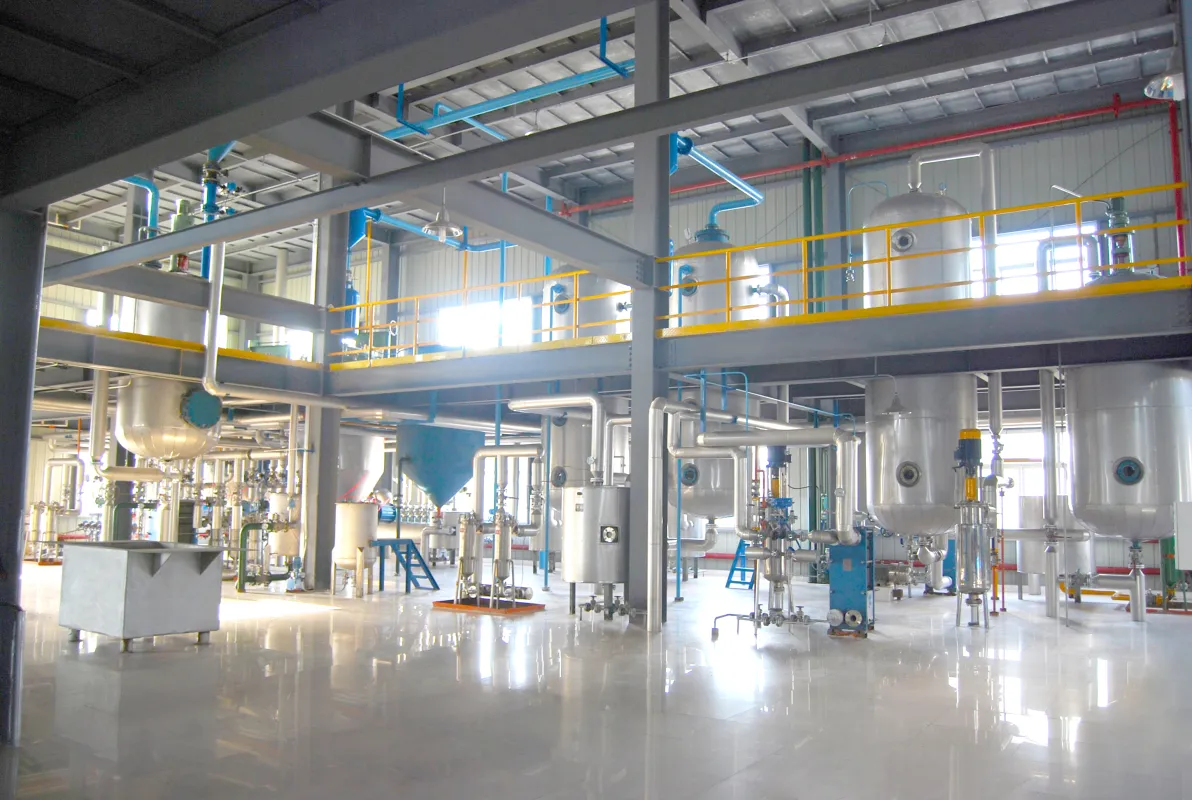
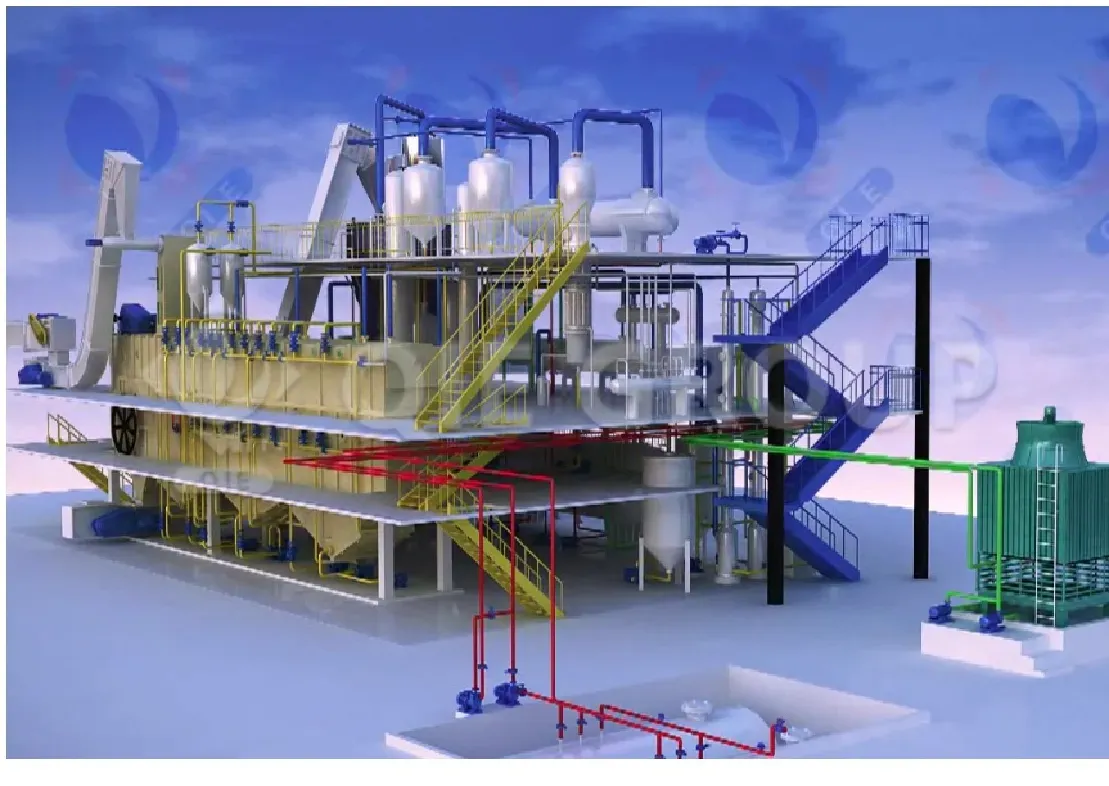
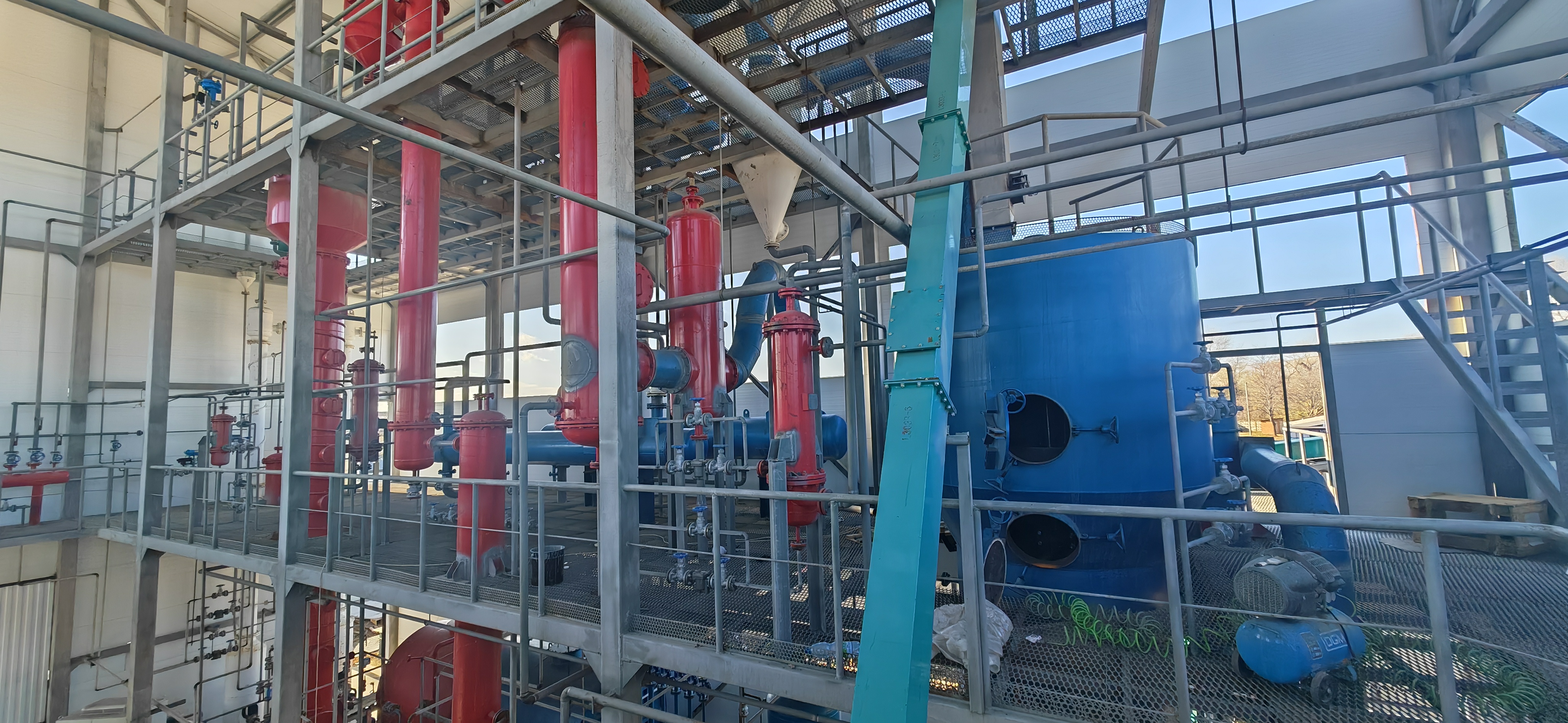
4. What energy efficiency indicators are included in modern extraction lines? Answer: 2026 solutions utilize heat recovery systems and negative pressure evaporation technology. This reduces specific steam consumption and ensures solvent (n-hexane) recovery of ≥99.5%, with overall thermal energy savings of 10–15%.
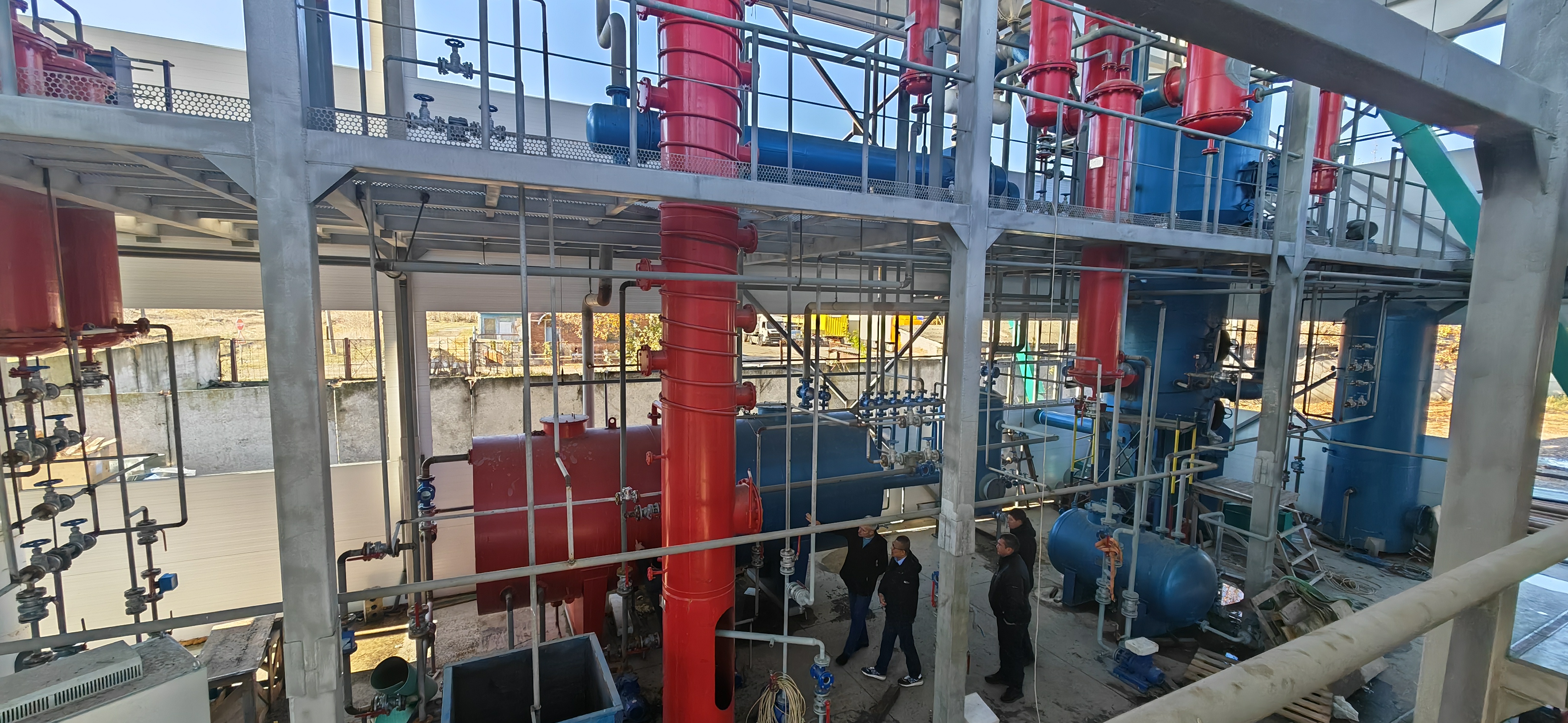
5. Is the winterization stage mandatory for the Russian market? Answer: Yes. According to GOST requirements and consumer preferences in the Russian Federation, sunflower oil must remain crystal clear at low temperatures. Our winterization technology involves slowly cooling the oil to 4–6°C, which completely removes natural waxes and ensures the absence of cloudy sediment during storage.
 Edible oil production line
Daily output of small-scale edible oil production line
Cost of medium and large edible oil production lines
Edible oil production line output selection
Argentina's small-scale soybean oil refining line
small soybean oil refinery in Argentina
Argentine small soybean oil refinery plan
Sunflower seed oil factory
Sunflower seed oil production line capacity
Sunflower seed oil production line factory
Construction cost of shea butter processing plant
Shea butter processing plant turnkey project solution
Shea butter processing equipment manufacturer
Shea butter processing plant EPC
QIE Group
Cost of a small shea butter processing plant
Mechanical extraction and traditional extraction methods for shea butter
Price of fully automatic shea butter production line
Price of shea butter processing production line
Edible oil production line
Daily output of small-scale edible oil production line
Cost of medium and large edible oil production lines
Edible oil production line output selection
Argentina's small-scale soybean oil refining line
small soybean oil refinery in Argentina
Argentine small soybean oil refinery plan
Sunflower seed oil factory
Sunflower seed oil production line capacity
Sunflower seed oil production line factory
Construction cost of shea butter processing plant
Shea butter processing plant turnkey project solution
Shea butter processing equipment manufacturer
Shea butter processing plant EPC
QIE Group
Cost of a small shea butter processing plant
Mechanical extraction and traditional extraction methods for shea butter
Price of fully automatic shea butter production line
Price of shea butter processing production line




.jpg?x-oss-process=image/resize,h_800,m_lfit/format,webp)


.png?x-oss-process=image/resize,h_100,m_lfit/format,webp)
.png?x-oss-process=image/resize,h_100,m_lfit/format,webp)
.png?x-oss-process=image/resize,h_100,m_lfit/format,webp)