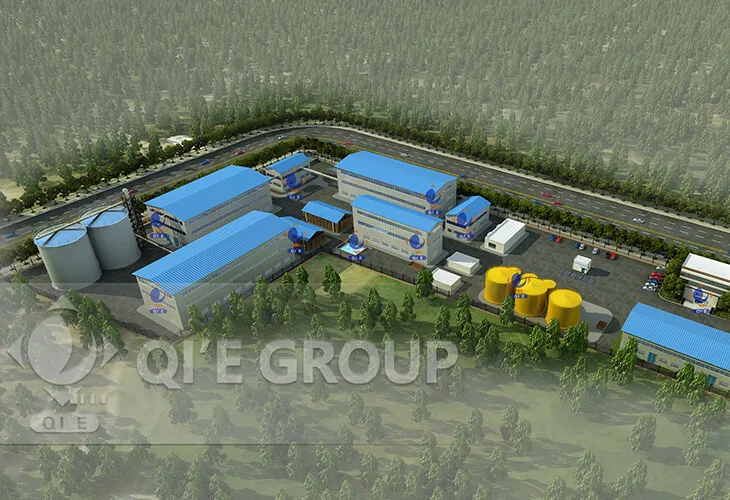
Determining the scale of the sunflower oil production line 's capacity is one of the primary decisions when starting or expanding a sunflower oil plant. Capacity determines the investment scale, land area, raw material supply chain, energy consumption, and overall profitability. This article, from the perspectives of market demand, raw material availability, process selection, and economics, provides actionable capacity tiers, key design parameters, and cost-influencing factors. It also introduces solutions offered by the QIE Group, with its engineering and delivery capabilities, facilitating foreign trade buyers in quickly identifying suitable production line plant configurations during international project evaluations.
The following factors should be considered when selecting the capacity of a Sunflower seed Oil Production Line :
The following table lists the common production capacity tiers and corresponding parameters for sunflower seed oil production lines in the industry, facilitating rapid estimation of project scale and feasibility. The capacity figures in the table are based on daily processing capacity of raw seeds (tons/day), and include an estimated annual oil production (calculated based on 300 operating days per year) and typical land occupation and investment levels.
| Production Capacity Level | Raw seed processing capacity (t/d) | Annual edible oil production (tons/year, estimated) | Typical Land Acquisition and Investment Tips |
|---|---|---|---|
| Small-scale pilot/regional supply | 5–30 t/d | Approximately 6–135 tons per year (depending on oil yield) | It requires little space and involves low investment, making it suitable for local markets or trial production of new products. |
| Mid-sized commercialization | 30–100 t/d | Approximately 360–4,500 tons/year | Suitable for regional brands and export sales, with a balance between investment and payback period. |
| Large-scale industrialization | 100–300 t/d | Approximately 1,200–9,000 tons/year | Suitable for export, branding, and OEM manufacturing; requires well-established raw material contracts and logistics. |
| Super-large/Industrial Park Level | 300 t/d and above | Annual production can reach over 10,000 tons. | To reach the international market, large-scale raw material bases and a complete downstream supply chain are required. |
The oil yield of common sunflower seeds varies depending on the variety and oil content, typically ranging from 38% to 50%. A conservative oil yield of around 40% is often used for budgeting in engineering design. The effective operating days of the production line are conservatively estimated at 300 days or less per year (considering maintenance and seasonality).
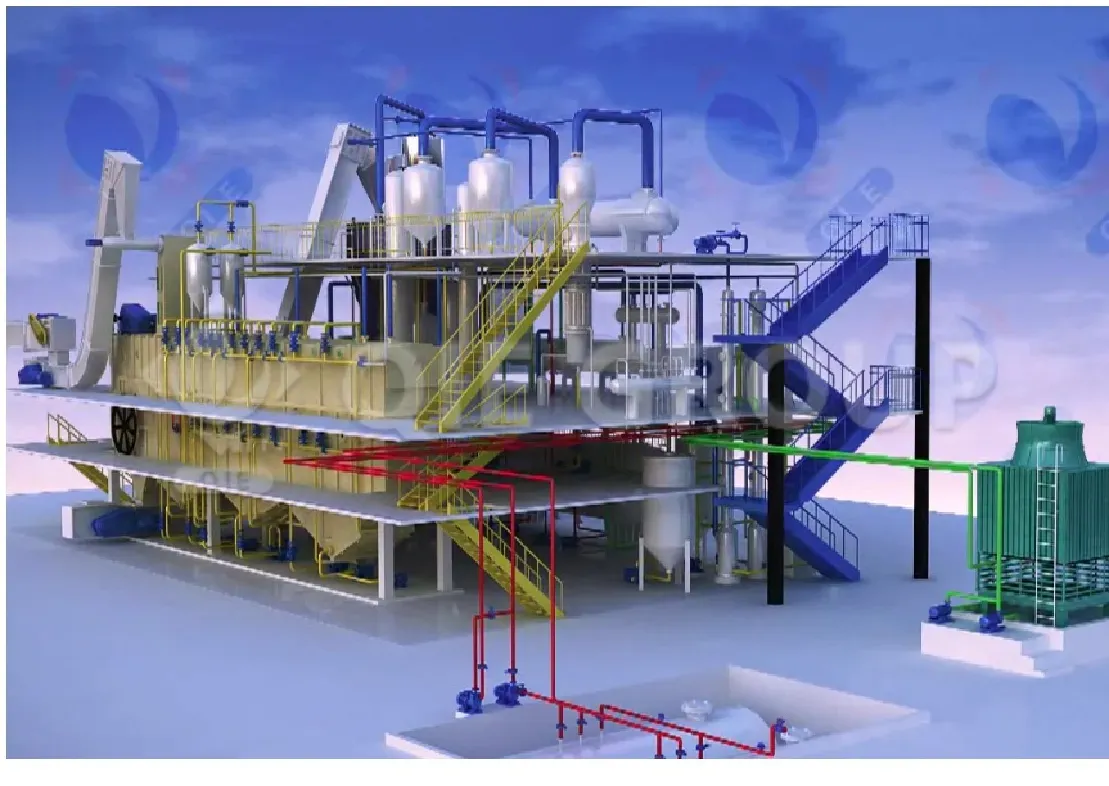
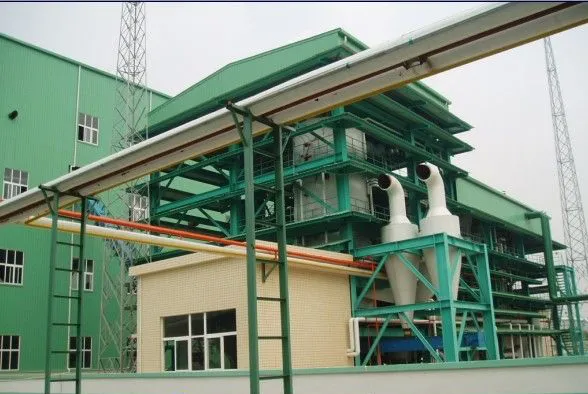
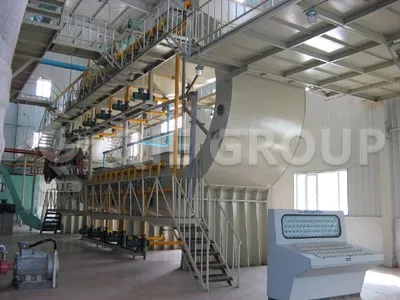
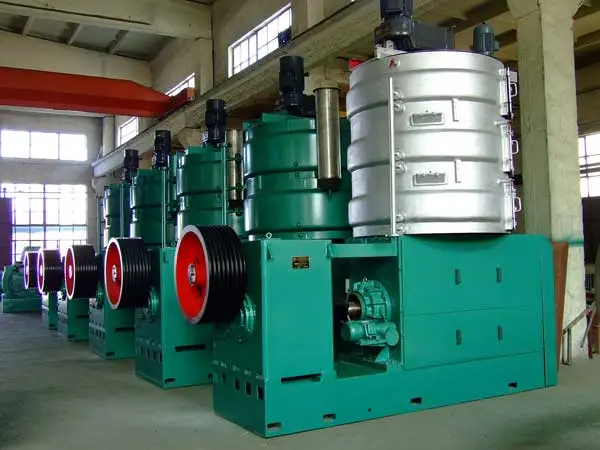
Key equipment and modules in a sunflower seed oil production line include: raw material pretreatment (cleaning, drying, destoning), pressing or solvent extraction systems, crude oil degumming and deacidification, refining (decolorization, deodorization), filling and packaging, and waste and exhaust gas treatment. Different production capacities have different requirements for equipment automation and redundancy.
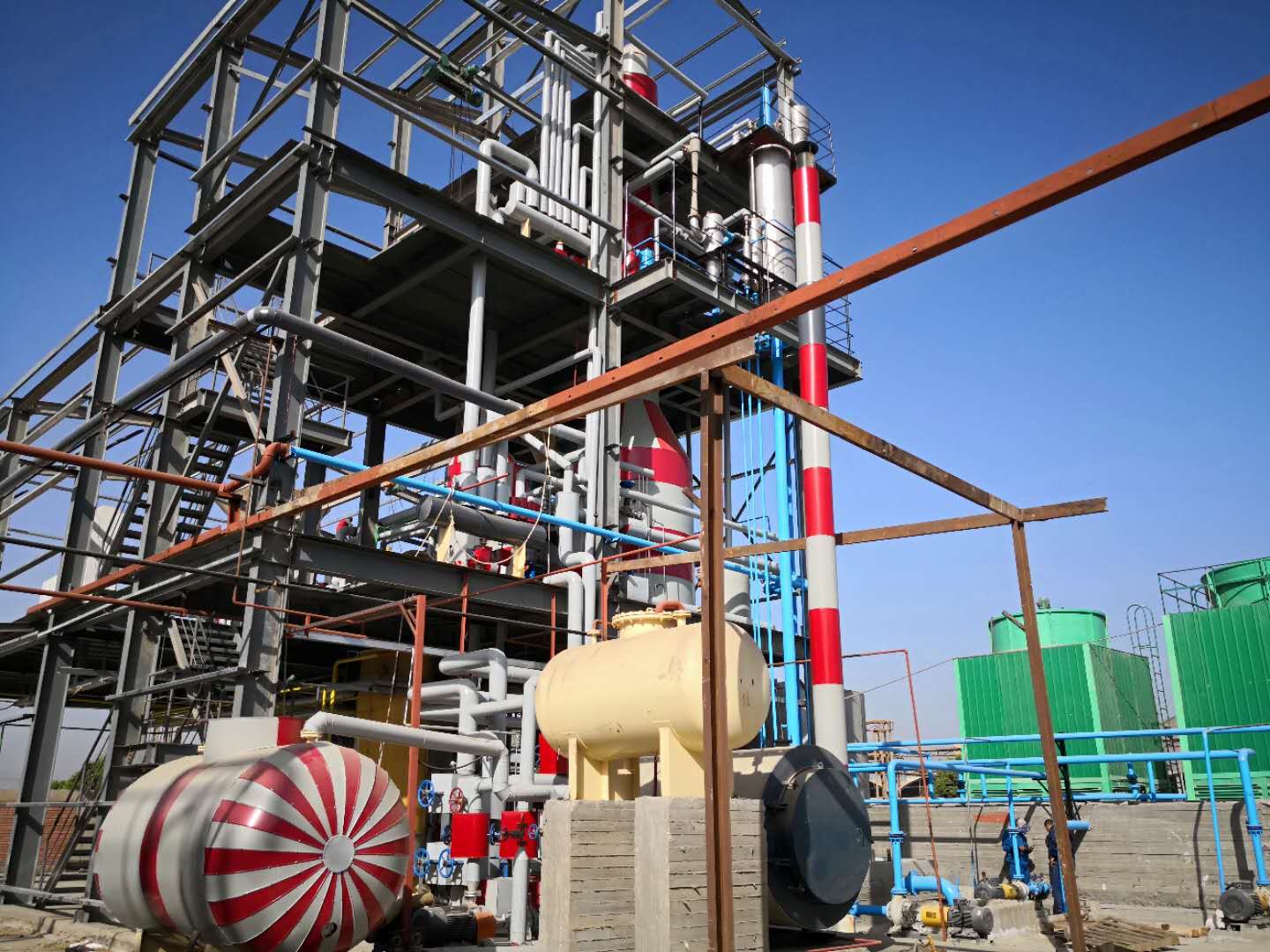
While specific equipment prices are not listed here, the following price sensitivities should be considered when assessing the capacity of a sunflower oil production line:
Modular design allows factories to expand or reduce units as market and raw material conditions change, reducing initial risk and gradually increasing production capacity. For export buyers looking for rapid market entry, modular sunflower oil production line factories can shorten delivery cycles and reduce upfront financial pressure.
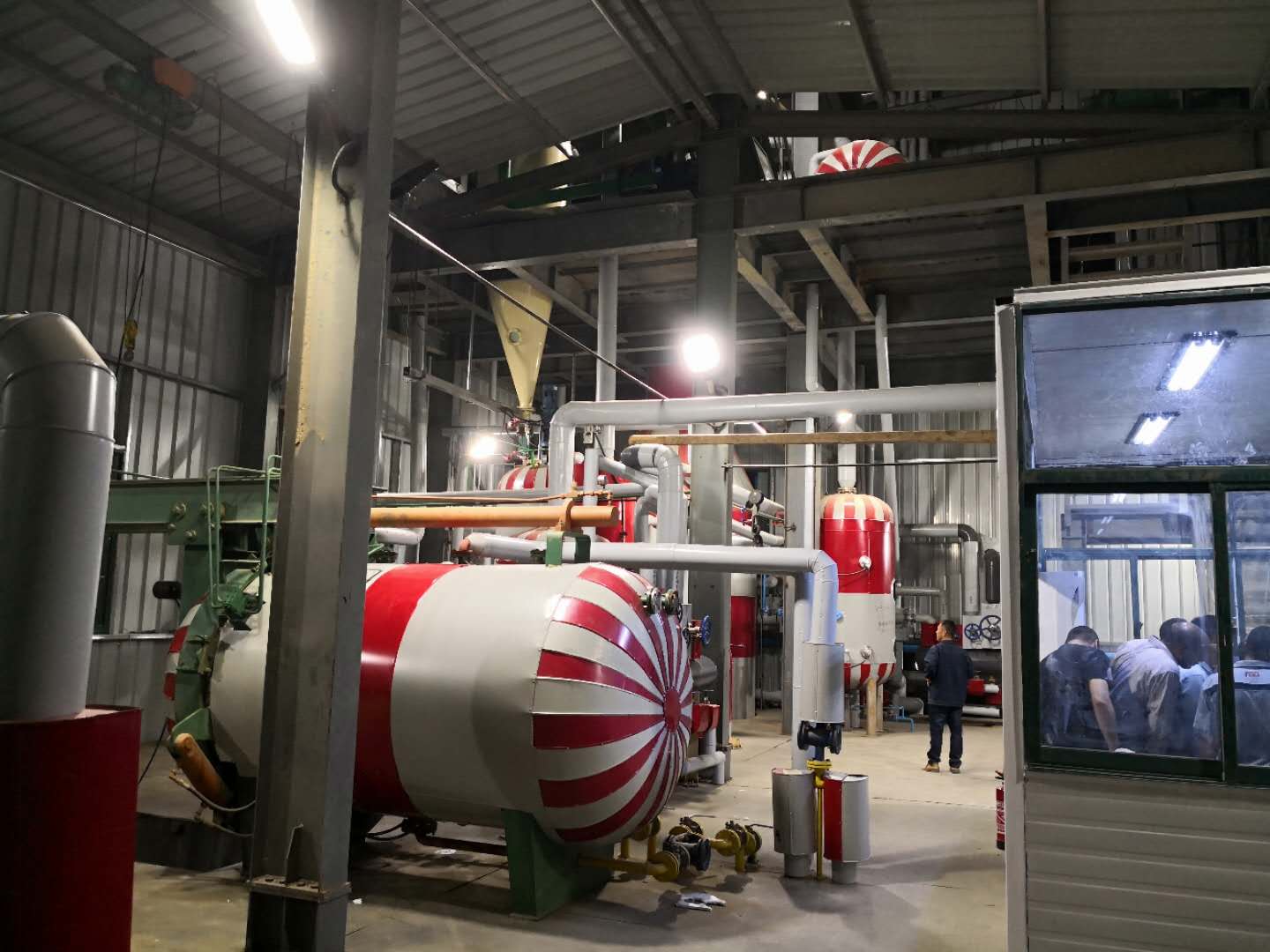
QIE Group provides export clients with a complete delivery capability, from feasibility studies, process design, equipment manufacturing to installation, commissioning, and personnel training. For different sunflower seed oil production line capacities, QIE offers:
Cold pressing is more suitable for the high-end edible oil market, with a relatively lower oil yield but better preservation of flavor and nutrients; hot pressing and solvent extraction are suitable for large-scale production that seeks high oil yield. Production capacity selection should be based on the target market, seed oil content, and economic analysis of unit output.
It is recommended to first sign seasonal or annual supply contracts, matching the minimum economic scale of the production line with the most conservative seasonal output. If raw materials are supplied in a concentrated manner, buffer warehouses and temporary reserves can be set up on the production line to stabilize production.
Energy consumption and environmental protection investment vary significantly with production capacity and process. The unit product energy consumption of large-scale continuous production lines is usually lower than that of small multi-shift production lines, but initial environmental protection facilities (wastewater treatment, oil residue disposal, and exhaust gas purification) will become necessary investments, affecting the overall project budget.
QIE Group provides turnkey services from feasibility studies to installation, commissioning, and personnel training. It can also provide phased delivery and modular expansion solutions according to customer requirements to help customers control initial investment and retain expansion capabilities.
The balance point is typically achieved by selecting an appropriate starting point for production capacity, adopting modular equipment, and investing sufficient budget in key areas (such as refining and quality control). Prioritize ensuring the stability of raw materials and processing, and then gradually increase investment in automation and brand packaging.
Want a customized solution and initial investment comparison for your target capacity? Click the button below to get a free capacity assessment and recommended equipment list from QIE Group engineers—including capacity expansion paths and operating cost estimates.
For engineering drawings, process package lists, or to connect with local installation partners, the QIE Group can arrange technical exchanges and on-site/remote assessments to help you quickly launch and achieve sustainable operation in the international market.
 sunflower seed oil extraction equipment troubleshooting
oil separation optimization
sunflower seed oil production capacity improvement
equipment maintenance tips
production safety management
Cottonseed oil production line
Comparison of mechanical pressing and solvent extraction
Cottonseed oil extraction technology
Cottonseed oil processing equipment selection
Screw Oil Press Selection Guide
Single screw oil press
Twin screw oil press
Recommended small-batch oil press equipment
Oil press maintenance costs
Sunflower oil production line
Sunflower oil production equipment
Sunflower oil production equipment manufacturers
Core technology of soybean oil production line
Core technology of production line
Soybean oil extraction process
sunflower seed oil extraction equipment troubleshooting
oil separation optimization
sunflower seed oil production capacity improvement
equipment maintenance tips
production safety management
Cottonseed oil production line
Comparison of mechanical pressing and solvent extraction
Cottonseed oil extraction technology
Cottonseed oil processing equipment selection
Screw Oil Press Selection Guide
Single screw oil press
Twin screw oil press
Recommended small-batch oil press equipment
Oil press maintenance costs
Sunflower oil production line
Sunflower oil production equipment
Sunflower oil production equipment manufacturers
Core technology of soybean oil production line
Core technology of production line
Soybean oil extraction process
-2.jpg?x-oss-process=image/resize,h_800,m_lfit/format,webp)
.jpg?x-oss-process=image/resize,h_800,m_lfit/format,webp)





.png?x-oss-process=image/resize,h_100,m_lfit/format,webp)
.png?x-oss-process=image/resize,h_100,m_lfit/format,webp)
.png?x-oss-process=image/resize,h_100,m_lfit/format,webp)