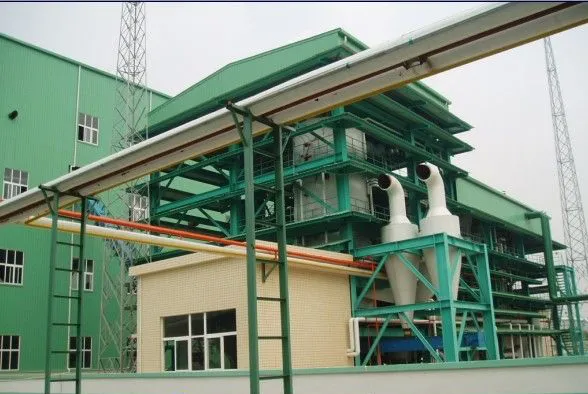
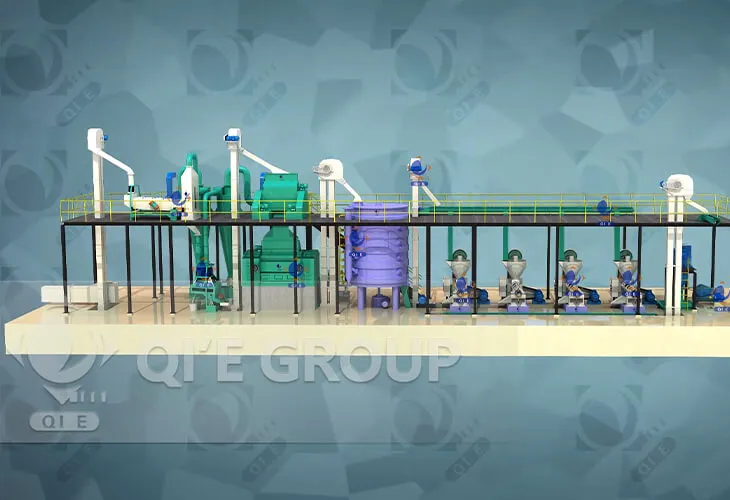
As one of the world's most important vegetable edible oils, the optimization of sunflower seed oil press technology directly impacts yield and oil quality. This article focuses on the complete process of sunflower seed oil production, from raw material preparation to finished product pressing, highlighting three core aspects: shelling and separation efficiency , temperature control during pressing and steaming , and crude oil filtration technology. It provides an in-depth analysis of how to improve oil yield and reduce oil impurities, supporting precise strategies for factory technicians and management decision-makers.
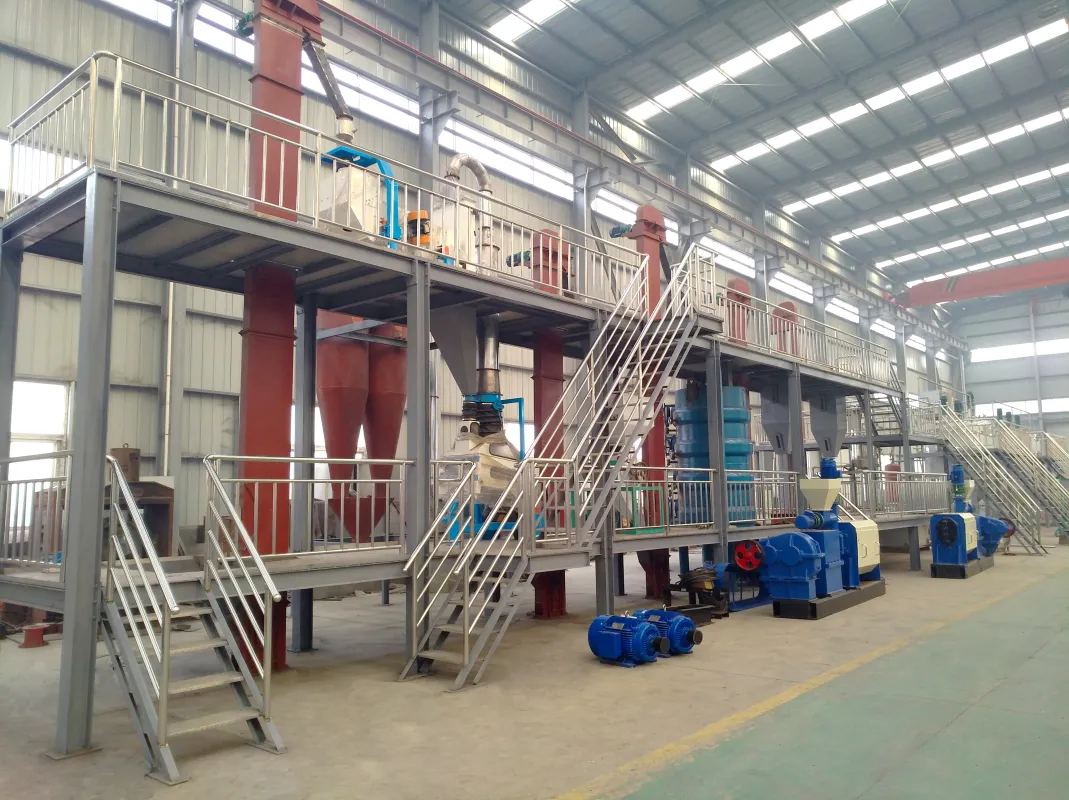
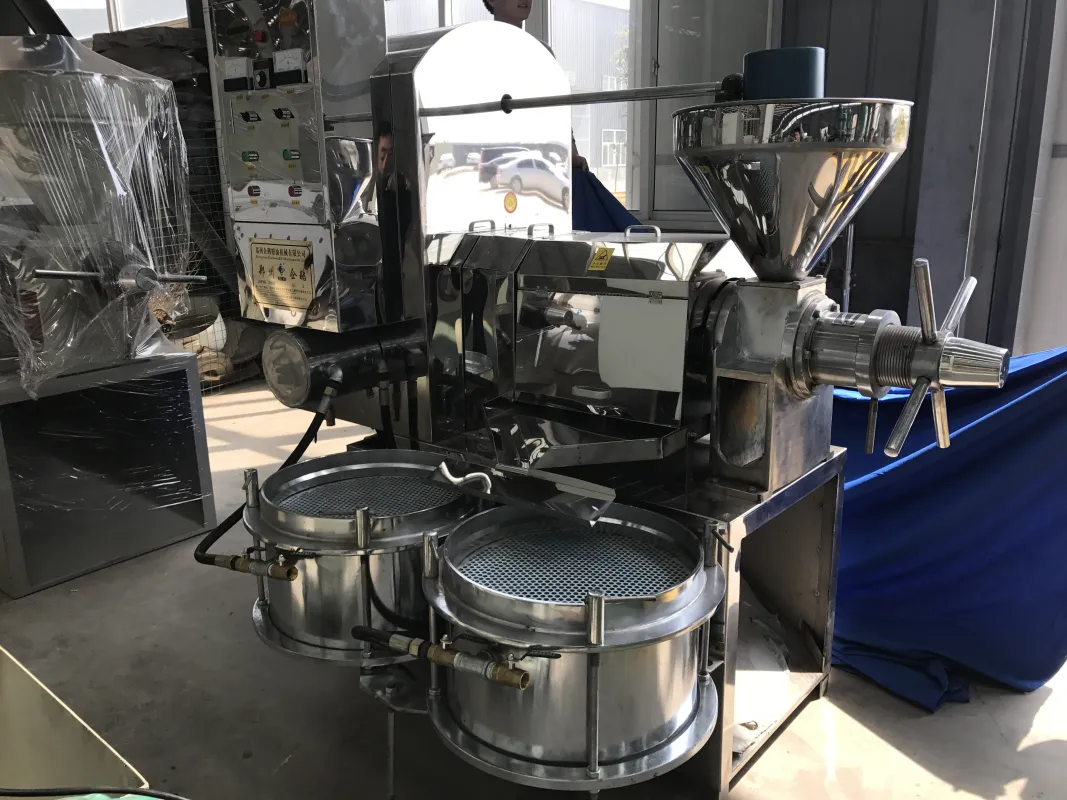
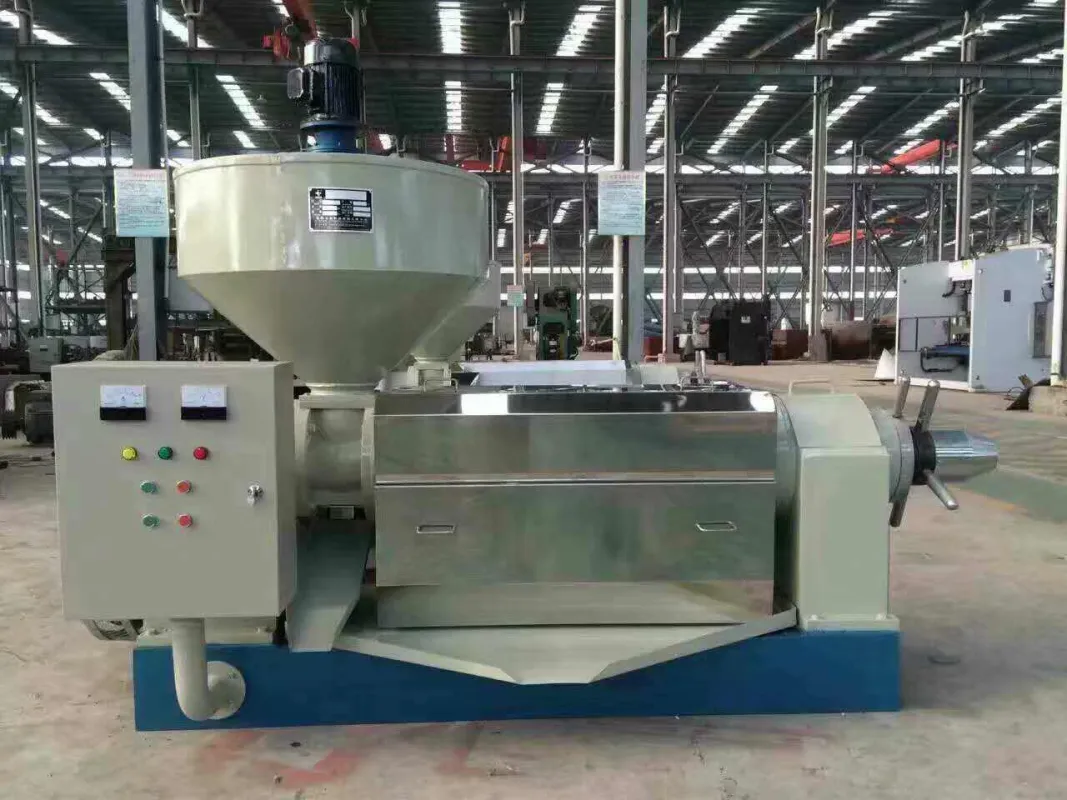
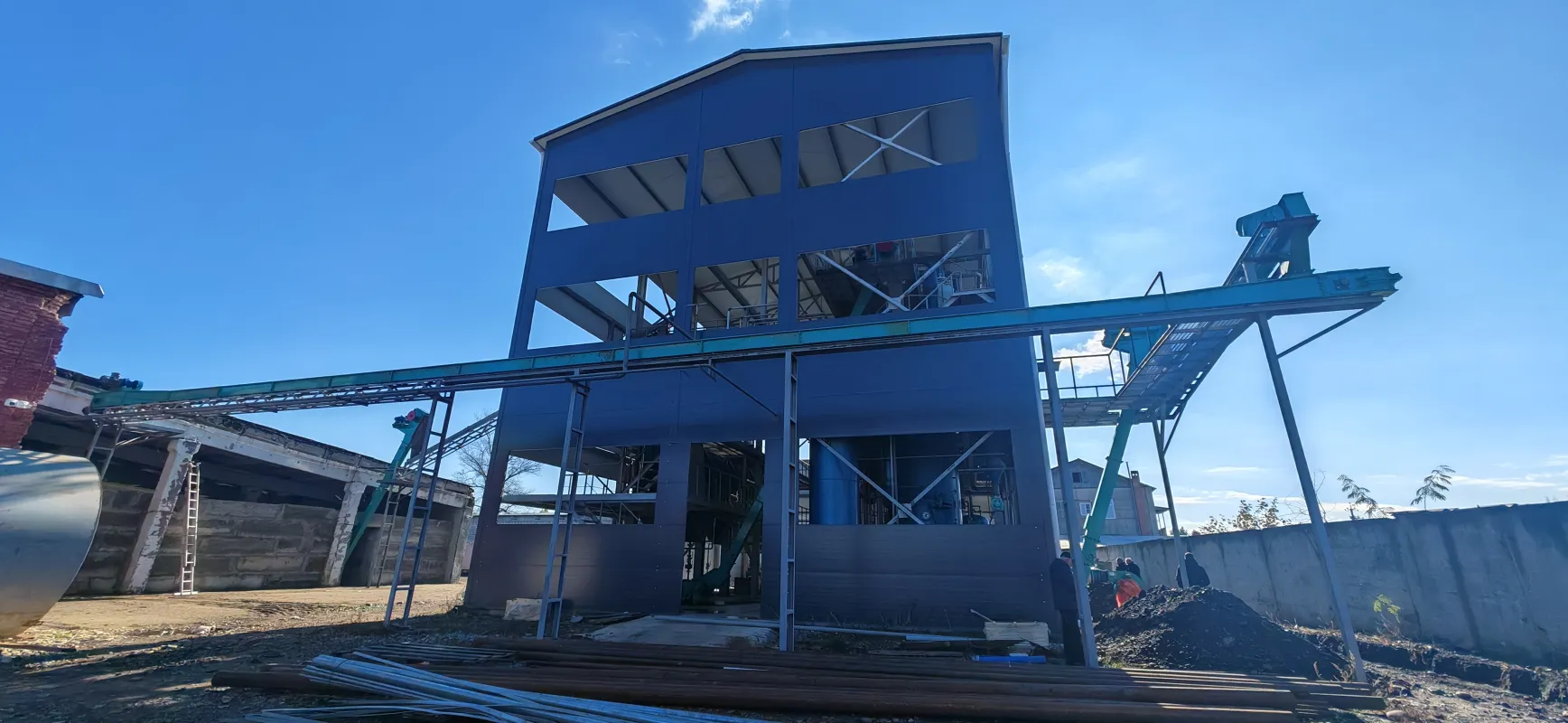
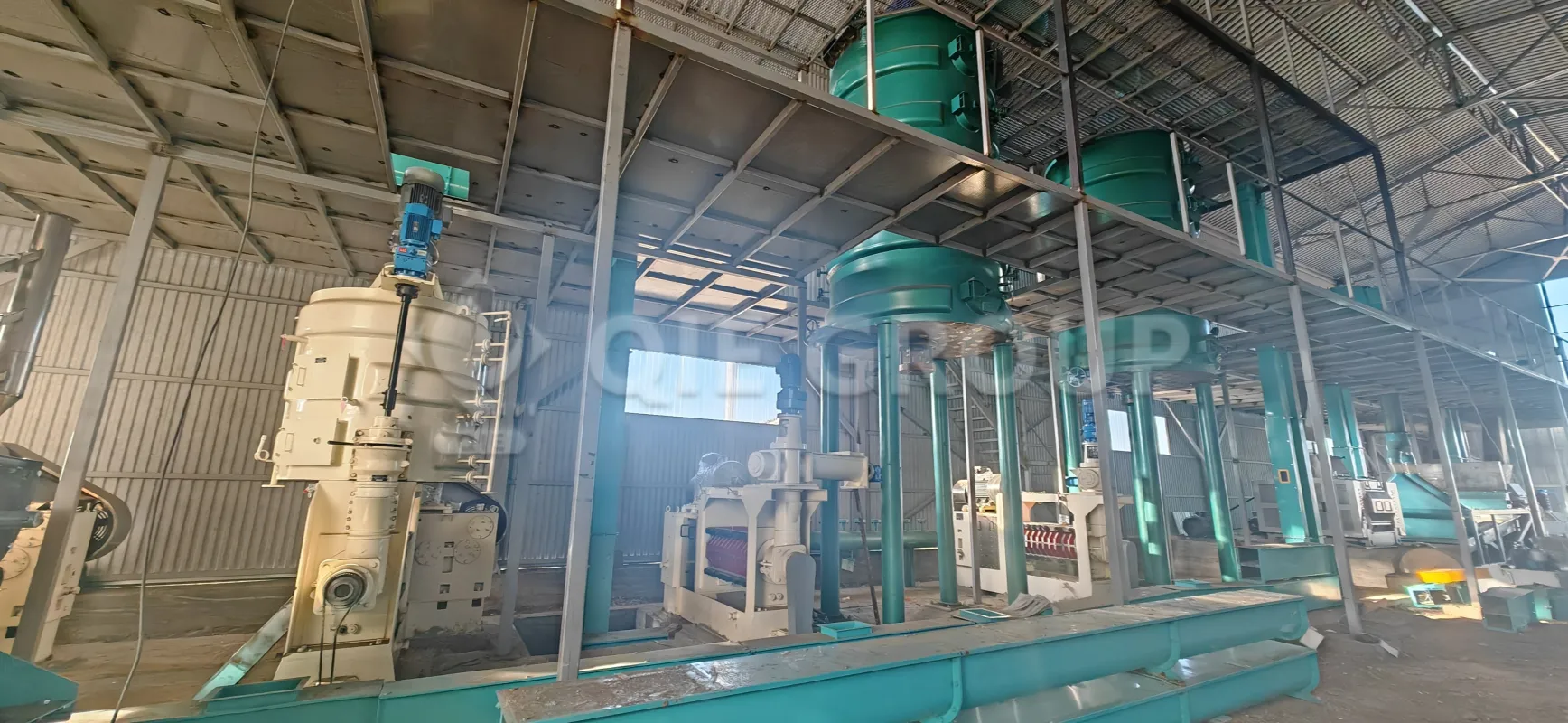
Sunflower seed oil press mainly involves the following steps:
Common challenges in sunflower seed oil press include:
| Process | Frequently Asked Questions | Impact on results |
|---|---|---|
| Incomplete magnetic separation | Residual iron can cause equipment blockage. | Reduced production capacity and increased maintenance costs |
| Temperature fluctuations during steaming and frying | The structure of the oil is damaged, and the quality of the oil deteriorates. | Oil yield decreased by more than 5%, and impurity content increased. |
| Crude oil filtration efficiency is low | High levels of suspended particles negatively impact subsequent refining processes. | Poor product stability and deterioration of oil appearance. |
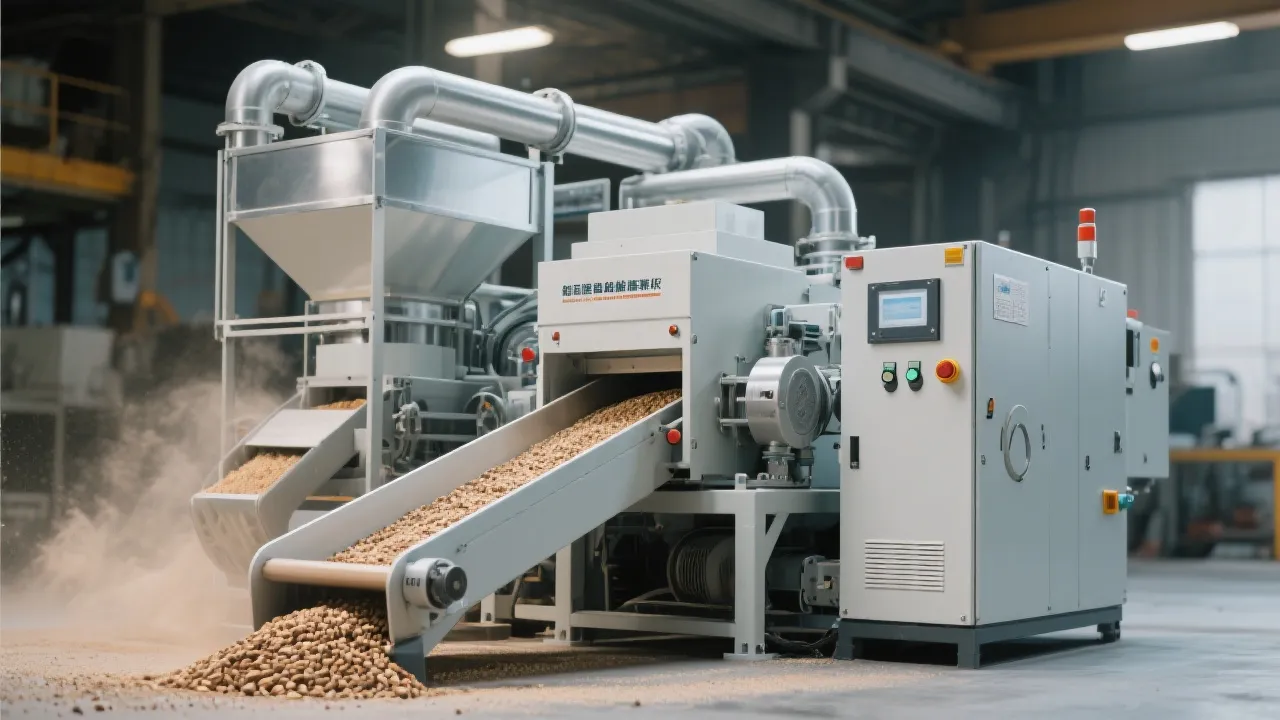
The selection and regular cleaning of the spray-type magnetic separator are the first line of defense against iron impurities; it is recommended to clean it at least three times a day. The shelling machine should be monitored in real time for shelling rate and whole kernel rate, and the machine speed and shelling roller gap should be adjusted to achieve a sunflower seed kernel separation rate of over 95% .
For the steaming and frying process, a multi-stage temperature control system is recommended. The first stage maintains a temperature of 85-90℃ for initial drying, while the second stage raises the temperature to 110-115℃ to enhance protein denaturation, ensuring uniform embryo texture and increasing oil yield by 3%-6%. The steaming and frying process is equipped with an infrared thermometer and an automatic temperature control feedback device to keep temperature fluctuations within ±3℃.
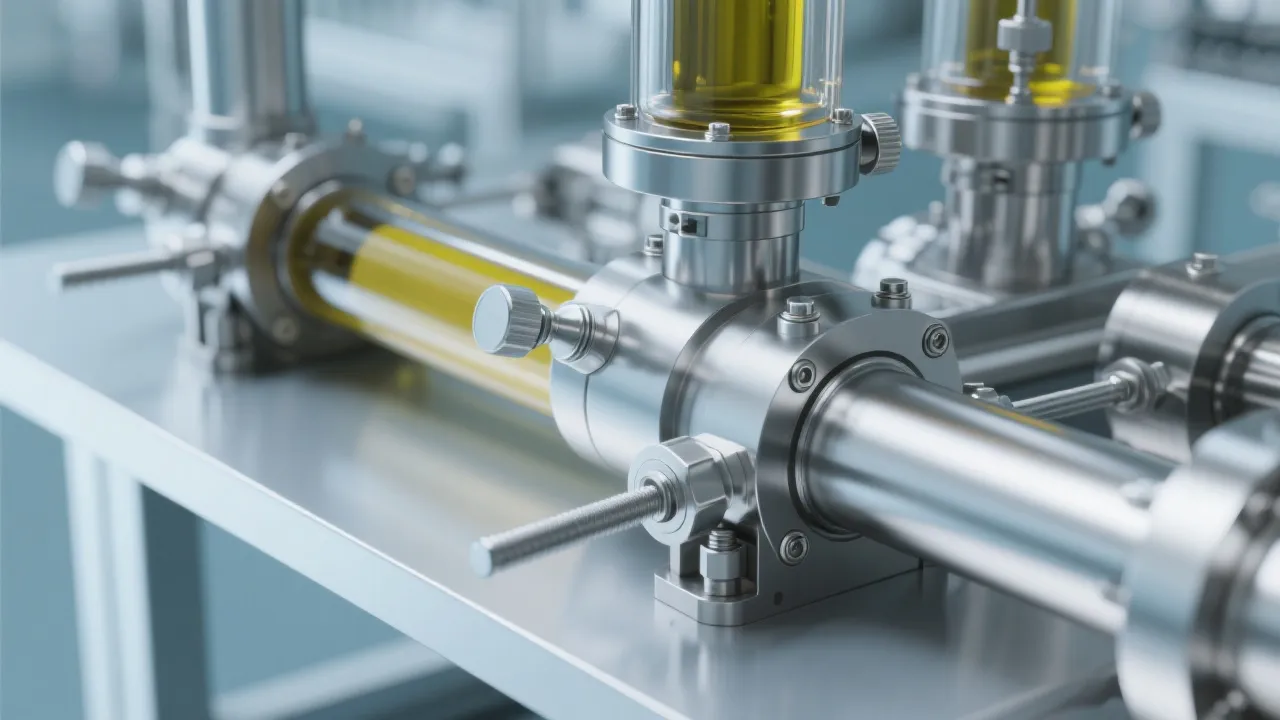
For crude oil filtration, a multi-stage filtration system is recommended, proceeding through multiple steps from coarse filtration (approximately 100 microns) to fine filtration (20-30 microns), effectively reducing suspended solids content by 30%-40%. Filtration equipment requires monthly backwashing maintenance to ensure the filtration area remains at over 90% efficiency.
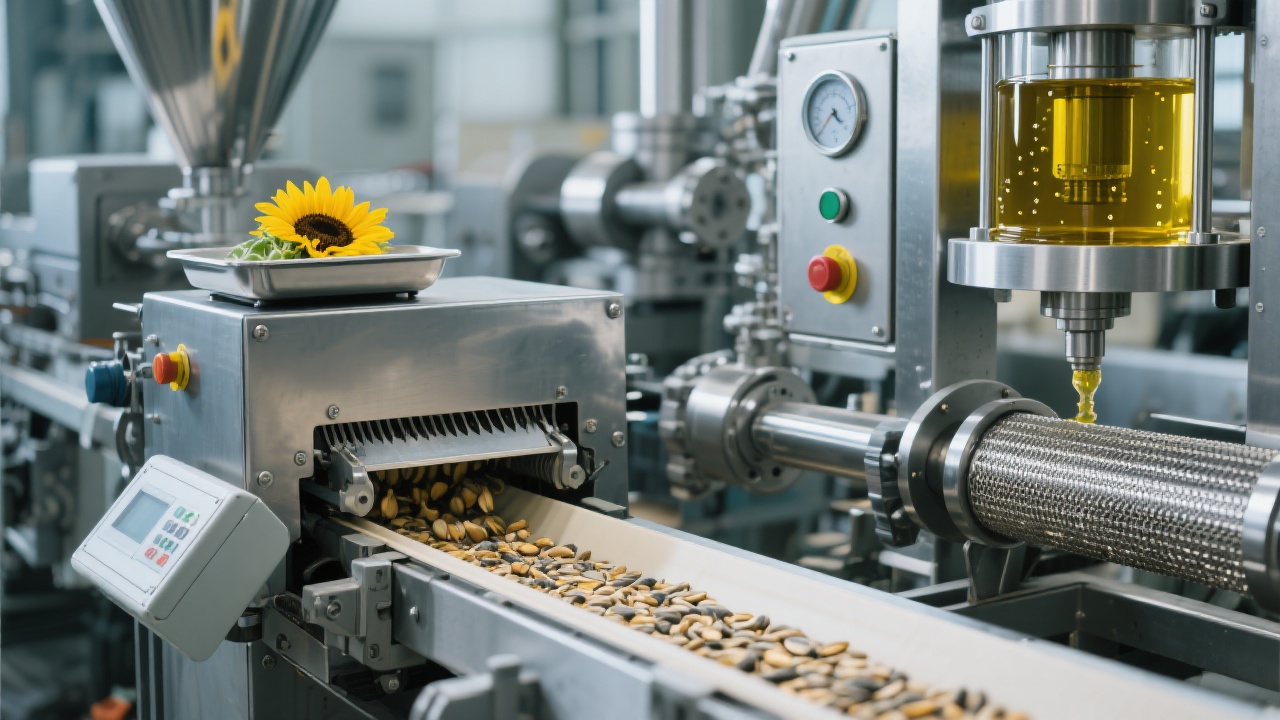
Successful cases from Tencent show that production lines that pay attention to these details can increase overall oil yield by an average of 6%, reduce impurities by about 20%, and significantly reduce production costs.
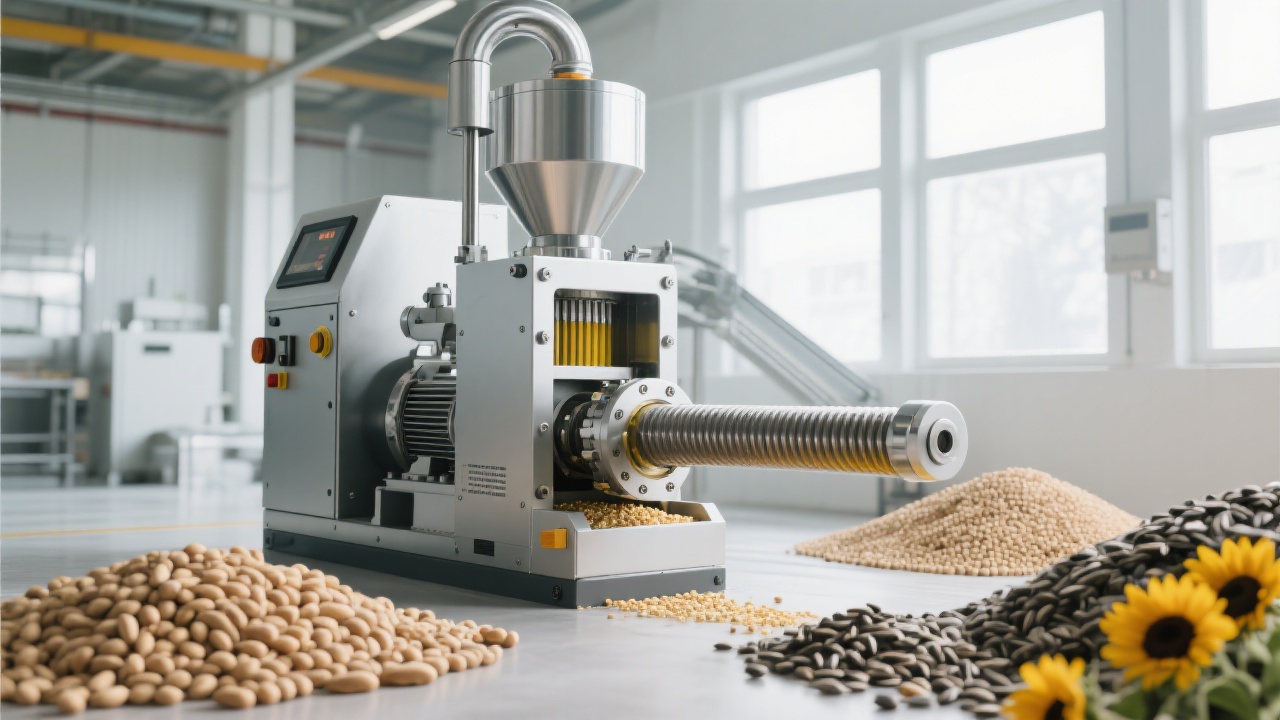
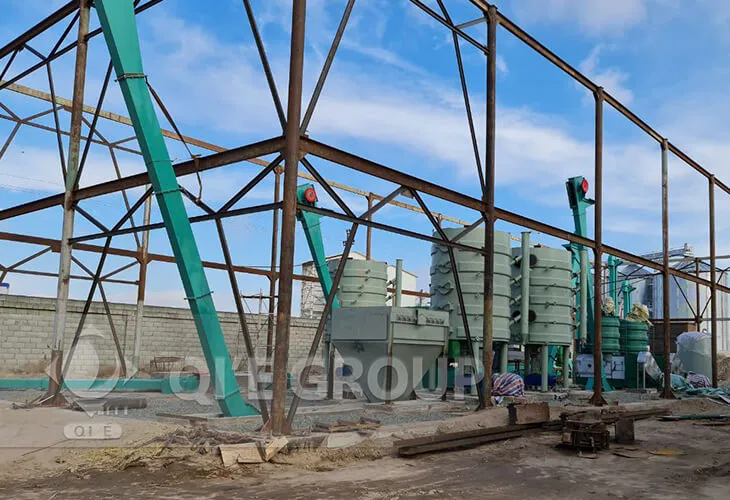
Leading technology, choosing the optimal production line. With 30 years of industry experience, QIE GROUP integrates intelligent manufacturing and data-driven approaches to inject efficiency and stability into your sunflower seed oil production. Want to learn more?
 sunflower seed oil extraction equipment troubleshooting
oil separation optimization
sunflower seed oil production capacity improvement
equipment maintenance tips
production safety management
Edible Oil Factory
Frequently Asked Questions about Edible Oil Factories
Multi-oil pressing equipment
Leaching equipment
Crude oil refining
Edible oil refining production line
Temperature control for steaming and frying sunflower seed oil
Sunflower seed oil processing technology optimization
Methods to improve the quality of sunflower seed oil
Edible oil production line
Establishing edible oil production line
How to build an edible oil production line
sunflower seed oil extraction equipment troubleshooting
oil separation optimization
sunflower seed oil production capacity improvement
equipment maintenance tips
production safety management
Edible Oil Factory
Frequently Asked Questions about Edible Oil Factories
Multi-oil pressing equipment
Leaching equipment
Crude oil refining
Edible oil refining production line
Temperature control for steaming and frying sunflower seed oil
Sunflower seed oil processing technology optimization
Methods to improve the quality of sunflower seed oil
Edible oil production line
Establishing edible oil production line
How to build an edible oil production line




.png?x-oss-process=image/resize,h_100,m_lfit/format,webp)
.png?x-oss-process=image/resize,h_100,m_lfit/format,webp)
.png?x-oss-process=image/resize,h_100,m_lfit/format,webp)