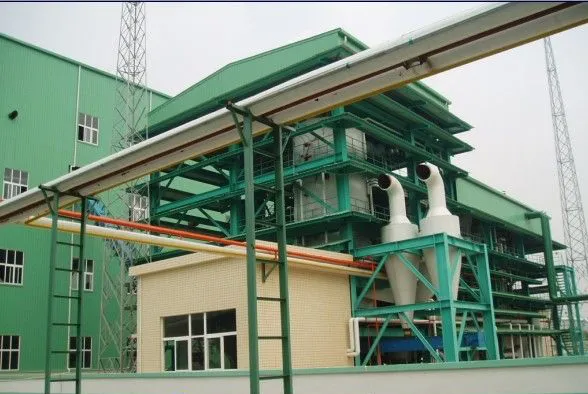
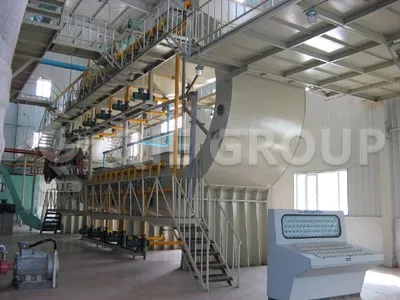
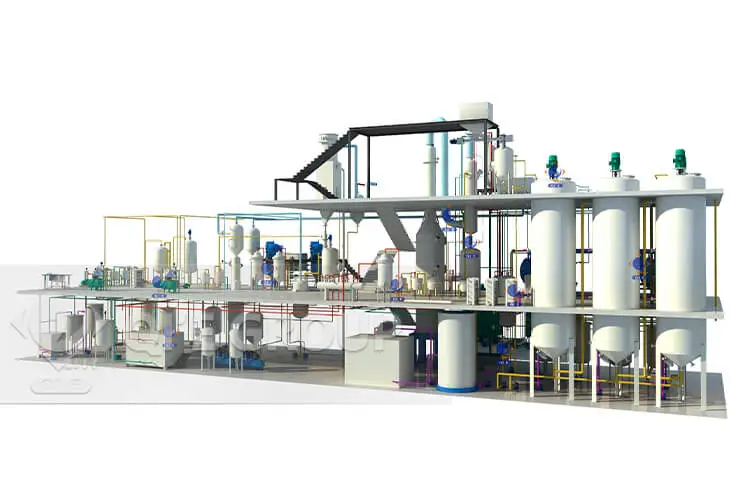
In the sunflower seed oil production process, steaming and roasting are crucial steps affecting the final oil quality. This step involves not only changes in physical structure, such as kernel expansion and cell wall rupture, but also the activation of key chemical reactions, including enzyme inactivation and fatty acid preparative reactions. These changes directly relate to the oil yield, oxidative stability, and flavor characteristics of sunflower seed oil. For example, proper steaming and roasting promotes the release of fat particles and improves oil fluidity, while excessive heating can accelerate oxidation, leading to a deterioration in oil quality.
Precise temperature control during steaming and stir-frying is key to improving quality, but the following misconceptions are commonly found in production:
Typical consequences of the above problems include accelerated oil oxidation, a 5%-10% decrease in oil yield, a significant increase in impurities in the finished oil, and an increased burden on subsequent refining.
Scientifically optimized steaming and frying processes can bring significant multi-dimensional benefits:
The focus of attention for personnel involved in the steaming and frying process varies depending on their job level:
| User level | Focus |
|---|---|
| Technical Operator | Precise temperature monitoring, equipment parameter adjustment, and rapid response to abnormal situations ensure stable and continuous production. |
| Factory Manager | Improved production efficiency, compliance with energy conservation and emission reduction targets, and adherence to relevant environmental protection and food safety regulations and standards. |
By combining the above strategies, sunflower seed oil producers can systematically improve the stability and quality assurance of the steaming and roasting process, creating an industry-leading high-quality product line.
 Rice bran oil degreasing and dewaxing
 production line
Rice bran oil degreasing and dewaxing machine
螺旋榨油机选型
植物油加工设备
榨油机出油率
连续式压榨设备
油脂加工技术
Leaching equipment
Crude oil refining
Edible oil refining production line
Soybean oil refining issues
The color of crude oil is dark
Odor Control
Deoiled Emulsification
Decolorization Process Optimization
Soybean oil extraction process
Soybean oil extraction machine
Oil extraction process
Rice bran oil degreasing and dewaxing
Rice bran oil degreasing and dewaxing production line
Rice bran oil degreasing and dewaxing machine
螺旋榨油机选型
植物油加工设备
榨油机出油率
连续式压榨设备
油脂加工技术
Leaching equipment
Crude oil refining
Edible oil refining production line
Soybean oil refining issues
The color of crude oil is dark
Odor Control
Deoiled Emulsification
Decolorization Process Optimization
Soybean oil extraction process
Soybean oil extraction machine
Oil extraction process



.png?x-oss-process=image/resize,h_100,m_lfit/format,webp)
.png?x-oss-process=image/resize,h_100,m_lfit/format,webp)
.png?x-oss-process=image/resize,h_100,m_lfit/format,webp)