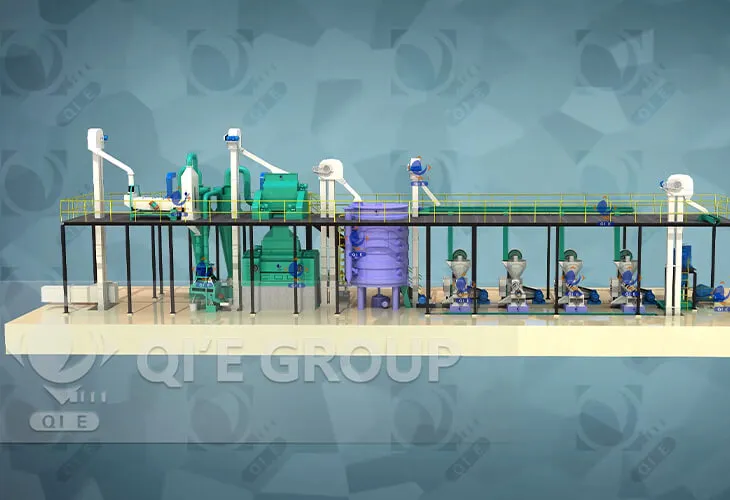
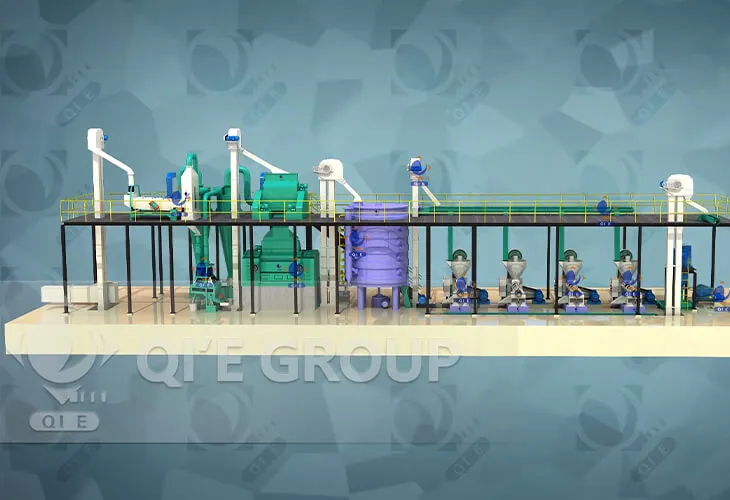
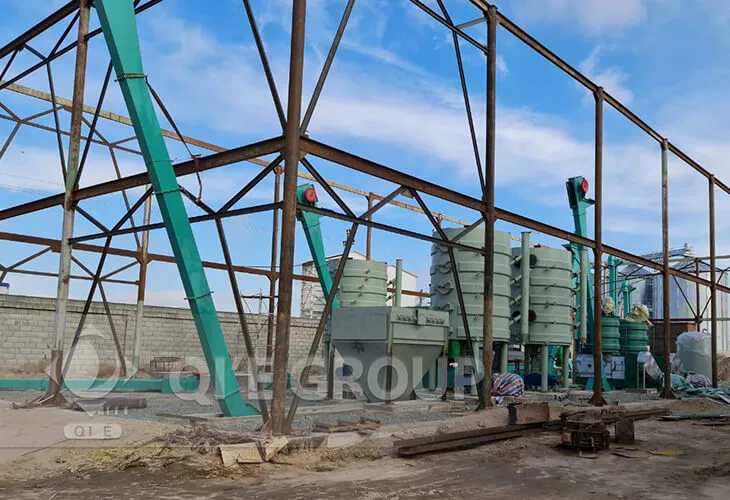
Sunflower seed pretreatment typically includes cleaning, moisture adjustment when necessary, optional dehulling, cracking or size reduction, flaking, and conditioning before Oil Extraction. The exact configuration depends on seed characteristics, plant capacity, product requirements, and whether the plant uses mechanical pressing or pre-pressing followed by solvent extraction.
Cleaning removes foreign materials that may damage equipment. Moisture control and dehulling help prepare the seeds for consistent processing, while cracking, flaking, and conditioning improve the material's suitability for pressing or solvent extraction.
Not every sunflower oil plant needs the same equipment. A suitable pretreatment system should match the raw material and extraction method rather than follow a standard equipment list without considering actual operating requirements.
1. What Equipment Is Needed for Sunflower Seed Pretreatment?
The main sunflower seed pretreatment equipment includes cleaning machines, magnetic separators, dryers when required, dehullers, hull separators, cracking or flaking mills, and conditioners. The final equipment configuration depends on the extraction route and the condition of the incoming seeds.
| Equipment | Main Function | When It Is Needed |
|---|---|---|
| Screen cleaner and aspirator | Removes oversized impurities, dust, and lightweight materials | Standard seed cleaning |
| Magnetic separator | Removes ferrous metal | Before vulnerable downstream equipment |
| Destoner | Separates stones and other dense impurities | When raw material conditions require it |
| Sunflower seed dryer | Reduces excessive moisture | When incoming moisture exceeds the required target |
| Dehuller and hull separator | Separates hulls from kernels | When justified by pressing performance, meal specifications, and economics |
| Cracking mill | Reduces seed size or assists seed preparation and separation | According to the selected process |
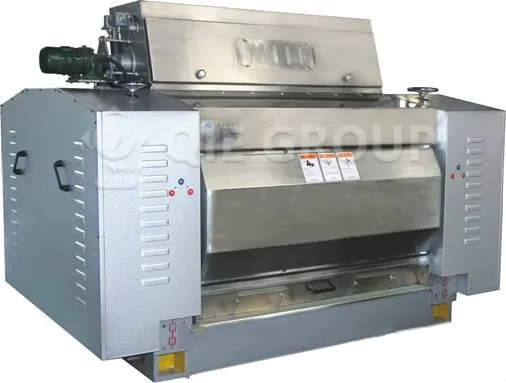
| Flaking mill | Produces flakes suitable for pressing or extraction | According to the preparation and extraction design |
| Conditioner or cooker | Adjusts temperature and moisture | When required by the pressing or extraction process |
Cleaning and Magnetic Separation
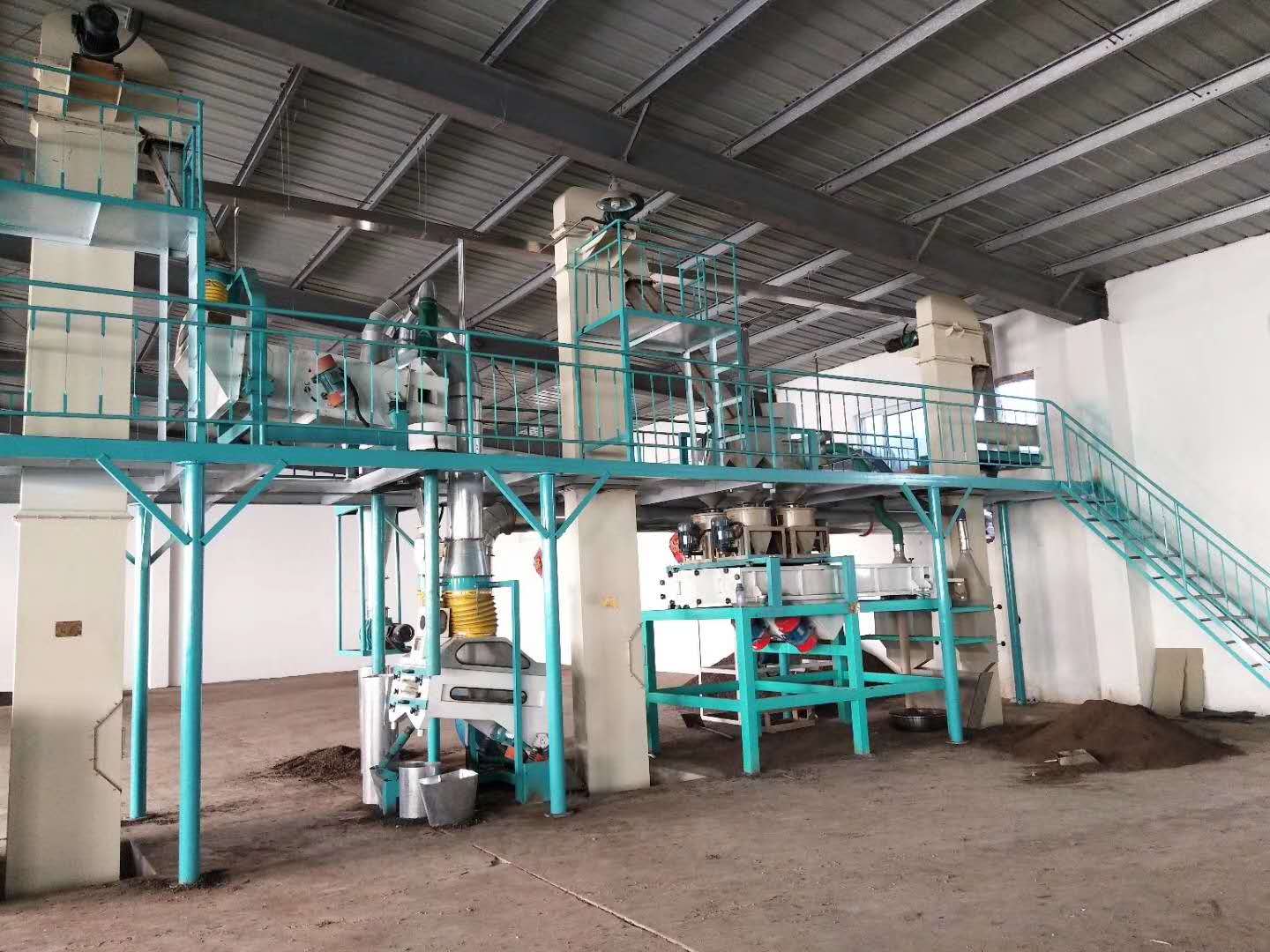
Seed cleaning should take place before the main preparation equipment. Screens separate materials by size, aspiration removes lightweight impurities, and magnetic separators protect downstream machinery from ferrous metal.
Destoning may also be necessary when stones or other dense contaminants are present in the incoming seeds.
The required cleaning capacity should be based on the actual impurity load and planned throughput. Inadequate cleaning can increase equipment wear, cause interruptions, and introduce unwanted materials into subsequent processing stages.
Drying and Moisture Control
Sunflower seed drying is necessary when the incoming material contains excessive moisture for the intended storage, dehulling, or extraction process.
Moisture should be measured rather than estimated from appearance or drying time alone. When selecting a dryer, consider the initial moisture content, required target, seed throughput, drying uniformity, and energy consumption.
The American Oil Chemists' Society (AOCS) describes a sunflower dehulling process in which seeds may be dried to approximately 8–10% moisture when necessary. This is a reference for that particular process, not a universal operating target for every sunflower oil plant.
The appropriate moisture level must be confirmed against the raw material, equipment specifications, and downstream process requirements.
Dehulling and Hull Separation
Sunflower seed dehulling removes part of the outer hull before oil extraction. It can reduce the amount of fibrous material entering the pressing and extraction stages, improve meal characteristics, and reduce wear on downstream equipment.
However, dehulling is not simply a matter of removing as much hull as possible. Excessive dehulling can cause kernel losses, while insufficient separation may leave more fiber in the meal and affect processing performance.
AOCS describes industrial sunflower preparation in which the initial hull content of approximately 25–30% is reduced to around 12% residual hull content. These figures represent a process example rather than a mandatory specification for every plant.
Before selecting a dehuller, evaluate:
- Dehulling efficiency and kernel loss.
- Residual hull content after separation.
- Effects on pressing performance and meal quality.
- Handling, storage, and possible use of the removed hulls.
The appropriate dehulling degree should balance oilseed recovery, product requirements, equipment performance, and the economics of hull utilization.
Cracking, Flaking, and Conditioning
Cracking and flaking serve different purposes in sunflower seed preparation.
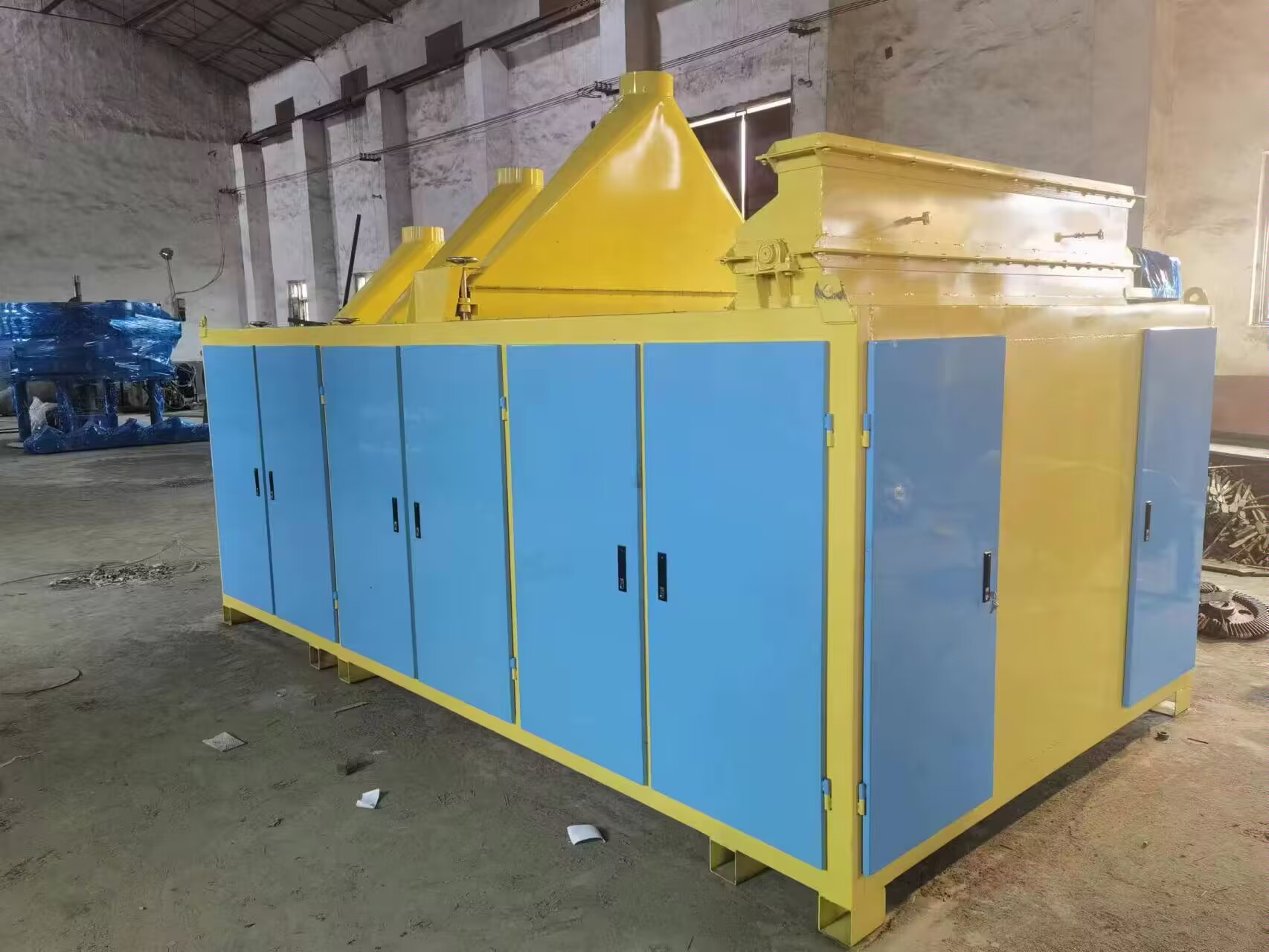
Cracking reduces seed size and may assist hull separation or subsequent preparation. Flaking compresses prepared material into thinner particles, helping expose oil-bearing cells while maintaining a structure suitable for pressing or solvent extraction.
Conditioning adjusts temperature and moisture before pressing or pre-pressing. Consistent conditioning can improve pressing behavior, reduce the generation of fine particles, and produce a more suitable feed for downstream extraction.
For one sunflower preparation route described by AOCS, conditioning is carried out for approximately 30–40 minutes at 80–90°C, with moisture content around 5–7%, before expeller pressing. These values apply to the specific process described and should not be treated as universal setpoints.
When specifying a flaking mill or conditioner, check:
- Flake consistency and fine-particle generation.
- Temperature and moisture control.
- Uniformity of heating and conditioning time.
- Feed stability between preparation and pressing.
- Compatibility with the downstream extractor, if solvent extraction is used.
The objective is to prepare material for stable oil separation, not simply to maximize temperature, minimize particle size, or remove every hull.
Technical references: AOCS — Seed Preparation and AOCS — Expanding and Expelling.
2. How Does Pretreatment Differ by Extraction Method?
The extraction method determines which pretreatment stages are required and how the prepared material should perform.
| Preparation Factor | Mechanical Pressing | Pre-Pressing Followed by Solvent Extraction |
|---|---|---|
| Cleaning | Required | Required |
| Moisture adjustment | Based on seed condition and press requirements | Based on seed condition and the complete preparation process |
| Dehulling | Selected according to seed properties, kernel loss, and press design | Common in large industrial sunflower preparation systems |
| Cracking and flaking | Configured for stable pressing and suitable material structure | Controlled preparation is important for subsequent pressing and extraction |
| Conditioning | Supports consistent pressing behavior | Helps prepare the seed for pre-pressing and establish suitable cake properties |
| Main performance concern | Oil separation, press stability, and cake quality | Oil removal, cake permeability, and solvent extraction performance |
Mechanical Pressing
In a mechanical pressing line, pretreatment prepares sunflower seeds for oil separation under pressure.
The required configuration depends on the press design, incoming seed characteristics, desired oil recovery, and meal requirements. Cleaning and appropriate moisture control are essential, while dehulling, cracking, flaking, and conditioning should be selected according to the intended operating conditions.
The prepared material must retain suitable physical structure for effective pressing. Excessive grinding can generate fine particles and may make it more difficult to achieve stable material behavior in the press.
Pre-Pressing Followed by Solvent Extraction
In a pre-press solvent extraction plant, sunflower seeds are prepared for mechanical oil removal first, after which the remaining oil is recovered from the press cake using solvent extraction.
This route requires coordination between seed preparation, pressing, cake conditioning, and the extractor. The prepared flakes and cake must have suitable properties for oil removal and solvent movement through the material.
Poor preparation can affect both the pressing stage and subsequent extraction performance. For this reason, the preparation section should be designed around the requirements of the complete processing line rather than the screw press alone.
For further technical background, see Sunflower Seed Preparation and Oil Extraction by Etienne Le Clef and Timothy Kemper, published in 2015.
3. Engineering Case: 350 TPD Rapeseed and Sunflower Seed Extraction Workshop in Ukraine
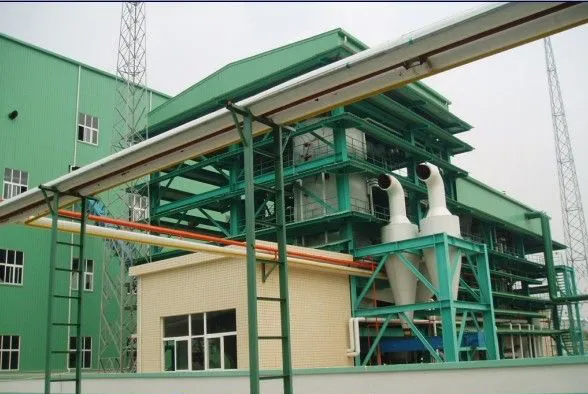
QIE GROUP completed a 350 TPD rapeseed and sunflower seed extraction workshop project in Ukraine. The project was delivered as a turnkey engineering installation covering design, equipment manufacturing, installation, commissioning, and operator training.
The reported design capacity of 350 tonnes per day applies to the combined rapeseed and sunflower seed processing project; it should not be interpreted as a separately specified sunflower-only capacity.

Pretreatment and Equipment Configuration
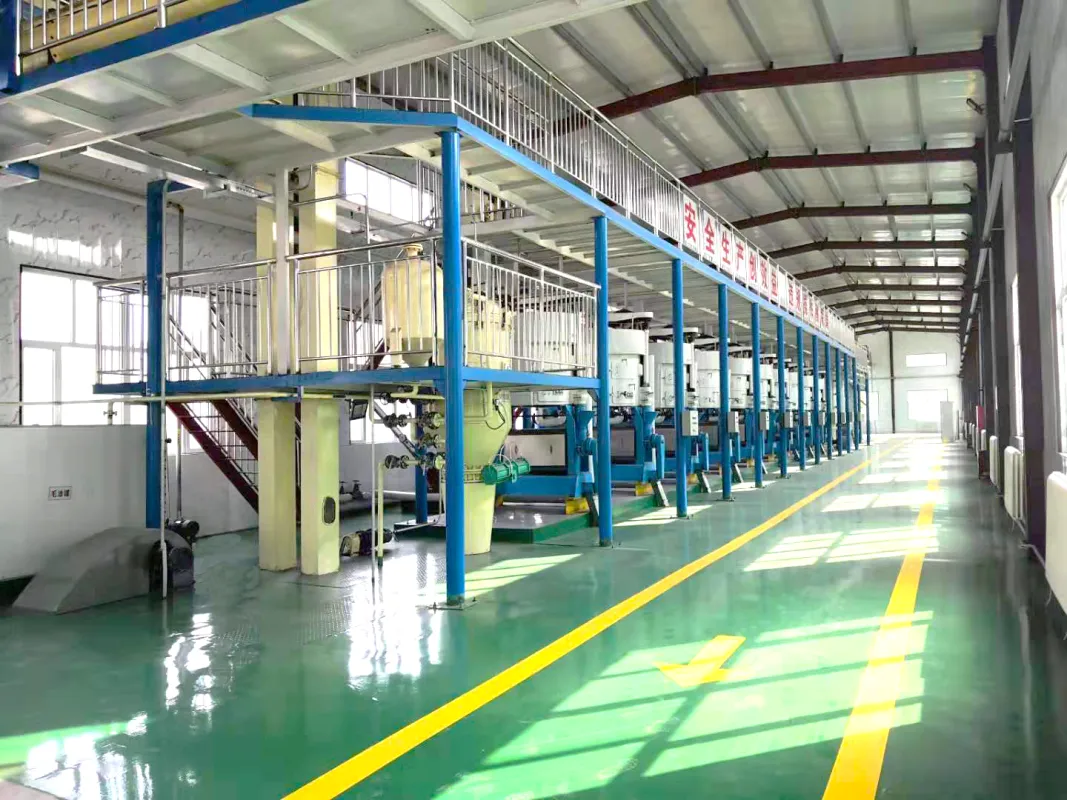
The project documentation describes a preparation and pre-press configuration combining screening, crushing, drying, and pressing. A dust-control system was also included to help maintain a cleaner operating environment and reduce dust exposure around the equipment.
Because the plant processes both rapeseed and sunflower seeds, preparation settings and equipment selection need to account for the characteristics of each raw material. The two seeds should not automatically be assigned identical operating conditions.
The downstream system includes continuous extraction equipment, a tail-gas recovery system, a liquid-ring vacuum system, and multi-stage heat exchange. These systems form part of the wider extraction installation and demonstrate why pretreatment equipment must be matched to the requirements of the downstream process.
Operating Results
According to the project documentation, the workshop reached stable operation, its processing capacity met production demand, and the oil quality indicators met the required targets. The project also incorporated measures to optimize steam and solvent consumption and control dust.
The engineering lesson is that sunflower seed pretreatment should be selected as part of a coordinated production system. Cleaning, moisture control, crushing or flaking, pressing, and downstream extraction must work together to support the required throughput and product quality.
The equipment package should therefore be specified according to raw material conditions, process requirements, and the rated capacity of the complete line—not only the nominal capacity of an individual machine.
4. How to Select the Right Sunflower Seed Pretreatment Equipment
Before requesting a quotation, confirm the following information with the equipment supplier.
- Raw material characteristics: Sunflower variety, oil content, hull characteristics, initial moisture, and impurity level.
- Required throughput: Planned daily processing capacity, operating hours, and expected variation in incoming seed quality.
- Extraction method: Mechanical pressing or pre-pressing followed by solvent extraction.
- Dehulling requirements: Target residual hull content, acceptable kernel loss, meal specifications, and plans for handling removed hulls.
- Preparation conditions: Required moisture level, conditioning parameters, flake consistency, and acceptable fine-particle generation.
- Equipment and utility requirements: Rated throughput of each machine, dust collection, energy and steam requirements, maintenance access, and compatibility with downstream equipment.
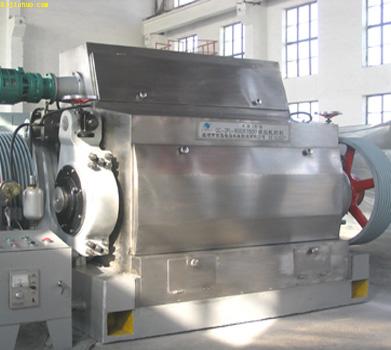
Match Equipment Capacity Across the Line
The cleaner, dehuller, flaking mill, conditioner, and pressing equipment must support the required production rate under the specified raw material conditions.
A high-capacity screw press cannot compensate for an undersized preparation section. Similarly, insufficient capacity in one upstream machine can interrupt the feed to the rest of the line.
When comparing suppliers, request the rated throughput assumptions for the actual raw material and the complete equipment scope. Nominal machine capacity alone is not enough to confirm that a production line will meet its target.
5. Common Sunflower Seed Pretreatment Problems
| Problem | Likely Effect | What to Check |
|---|---|---|
| Poor cleaning | Equipment wear, contamination, and interruptions | Screening, aspiration, and magnetic separation |
| Excessive or variable moisture | Inconsistent dehulling, conditioning, or pressing | Moisture measurement and drying control |
| Excessive kernel loss during dehulling | Reduced recoverable seed material | Dehulling and hull-separation settings |
| Uneven flakes or excessive fines | Unstable pressing or impaired solvent extraction | Roller settings, feed consistency, and material structure |
| Inconsistent conditioning | Variable pressing behavior and cake properties | Temperature, moisture, and residence time |
| Uneven equipment capacity | Feed interruptions and reduced line throughput | Capacity matching across the preparation and extraction sections |
If oil recovery remains below expectations, evaluate the preparation and extraction system together before changing individual machine settings. For example, finer grinding is not always beneficial: excessive fines can impair material structure and interfere with pressing or solvent extraction.
Frequently Asked Questions
1. Is Dehulling Necessary for Sunflower Oil Production?
Not in every plant. Dehulling can improve meal characteristics and reduce hull-related processing issues, but it also introduces kernel-loss and hull-handling considerations. Its value should be assessed against the seed properties, press design, meal specifications, and operating economics.
2. What Temperature Is Used for Sunflower Seed Conditioning?
One sunflower preparation process described by AOCS uses approximately 80–90°C for 30–40 minutes at around 5–7% moisture before expeller pressing. Actual conditions depend on the raw material, extraction route, and equipment configuration.
3. Does Pretreatment Affect Sunflower Oil Recovery?
Yes. Seed preparation affects oil accessibility, pressing behavior, and—when solvent extraction is used—the physical properties of the material entering the extractor. Final recovery also depends on raw material quality, extraction equipment, and operating conditions.
Conclusion
Sunflower oil extraction pretreatment typically involves cleaning, moisture adjustment when necessary, appropriate dehulling, cracking or flaking, and conditioning. The required equipment and operating conditions depend on the extraction route, raw material, and planned production capacity.
For industrial projects, the most important step is to match pretreatment equipment with the downstream pressing or solvent extraction system. A configuration based on actual seed properties and verified capacity requirements provides a more reliable basis for equipment selection.
Author: QIE GROUP Process Engineer
Contact Us
Ready to optimize your sunflower oil extraction process? Get in touch with our engineering experts today for customized solutions and equipment selection.
Get a Quote