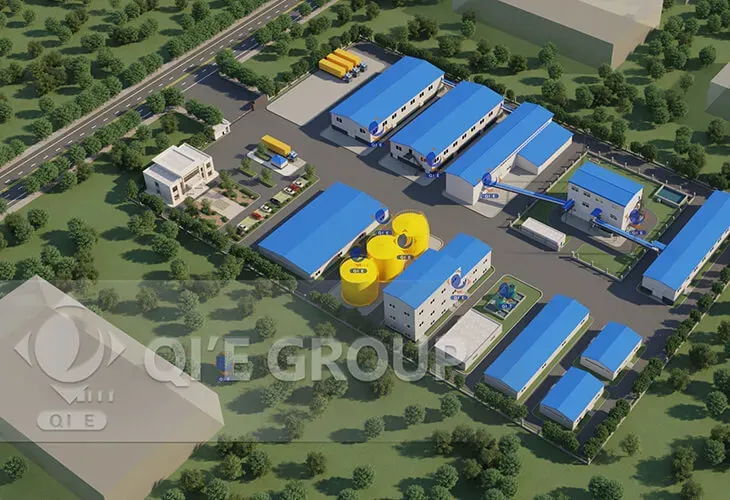
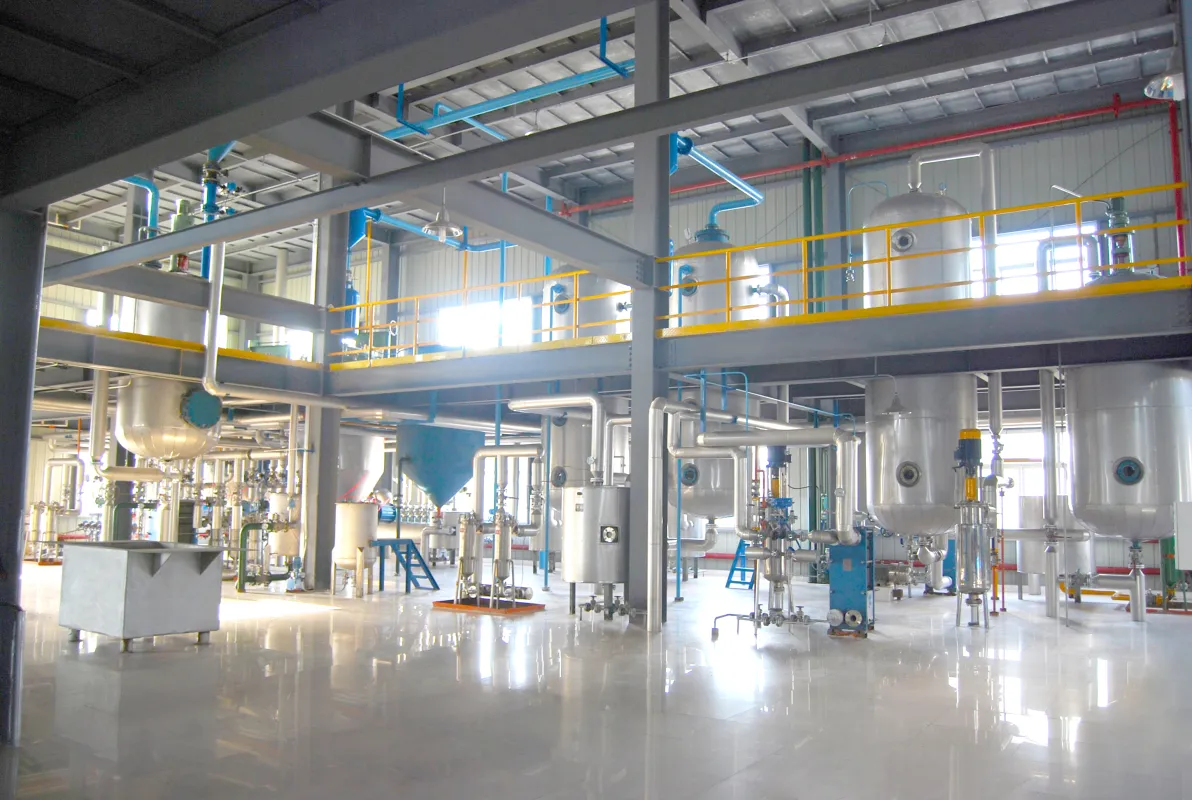
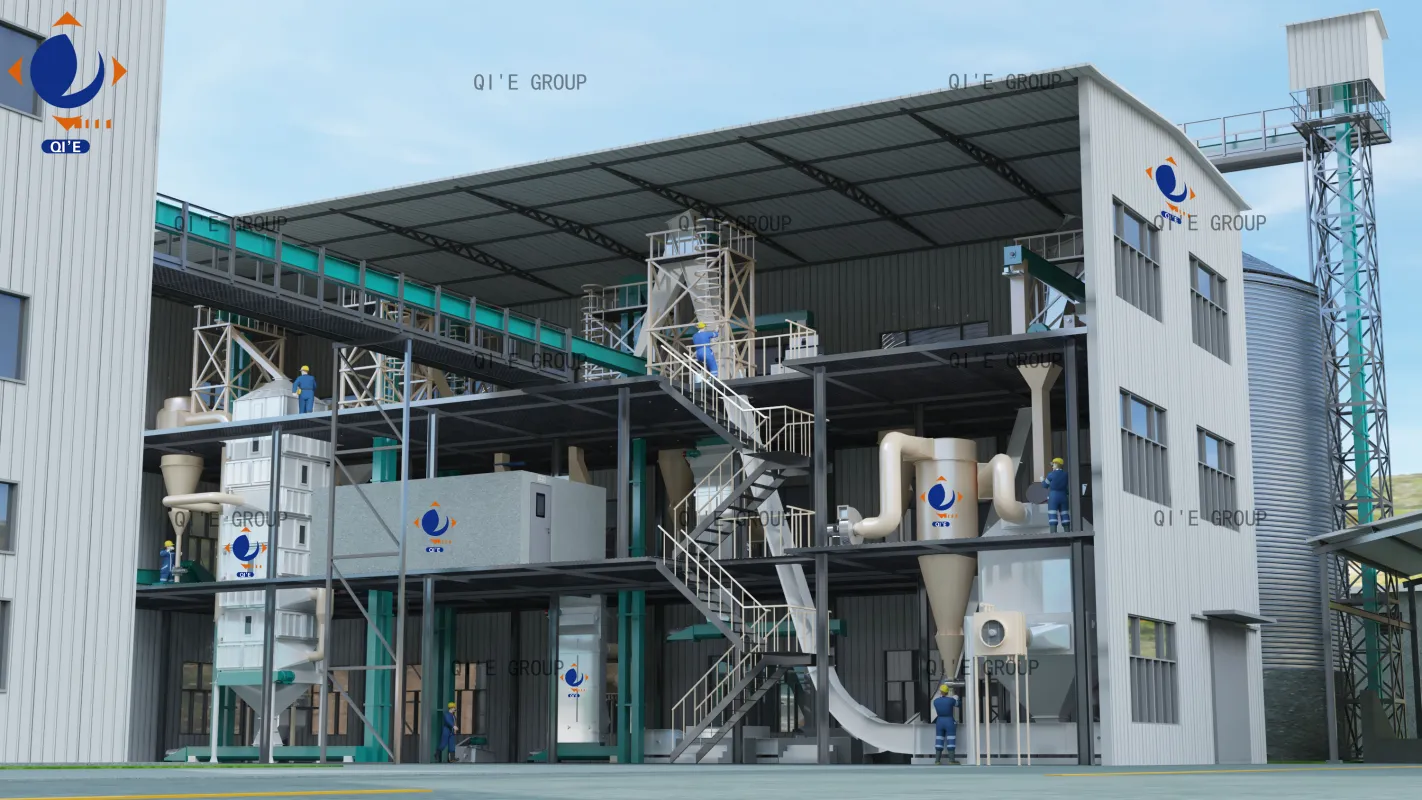
In 2026, investing in a turnkey edible oil production line is no longer just about buying machinery; it’s about engineering an integrated ecosystem that balances energy efficiency with maximum oil yield. From seed cleaning to the final deodorization tower, every stage dictates your total CAPEX and long-term OPEX.
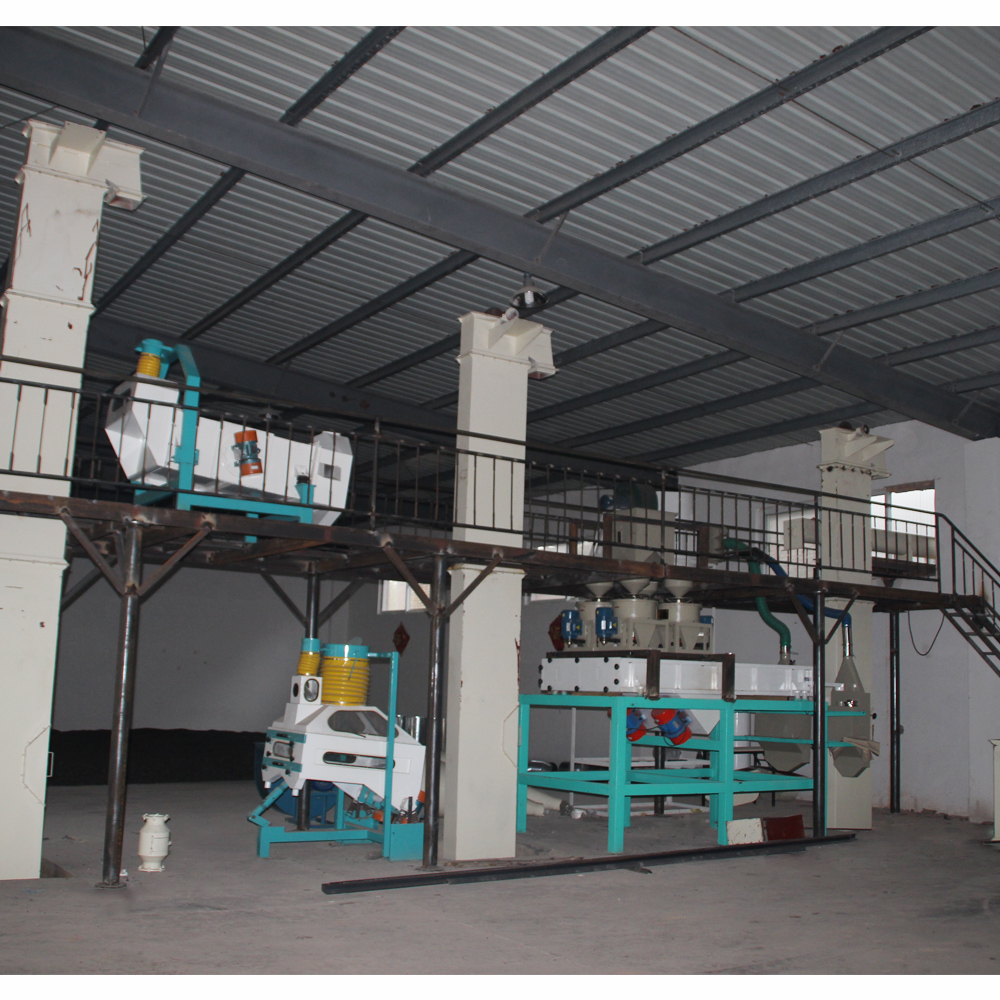
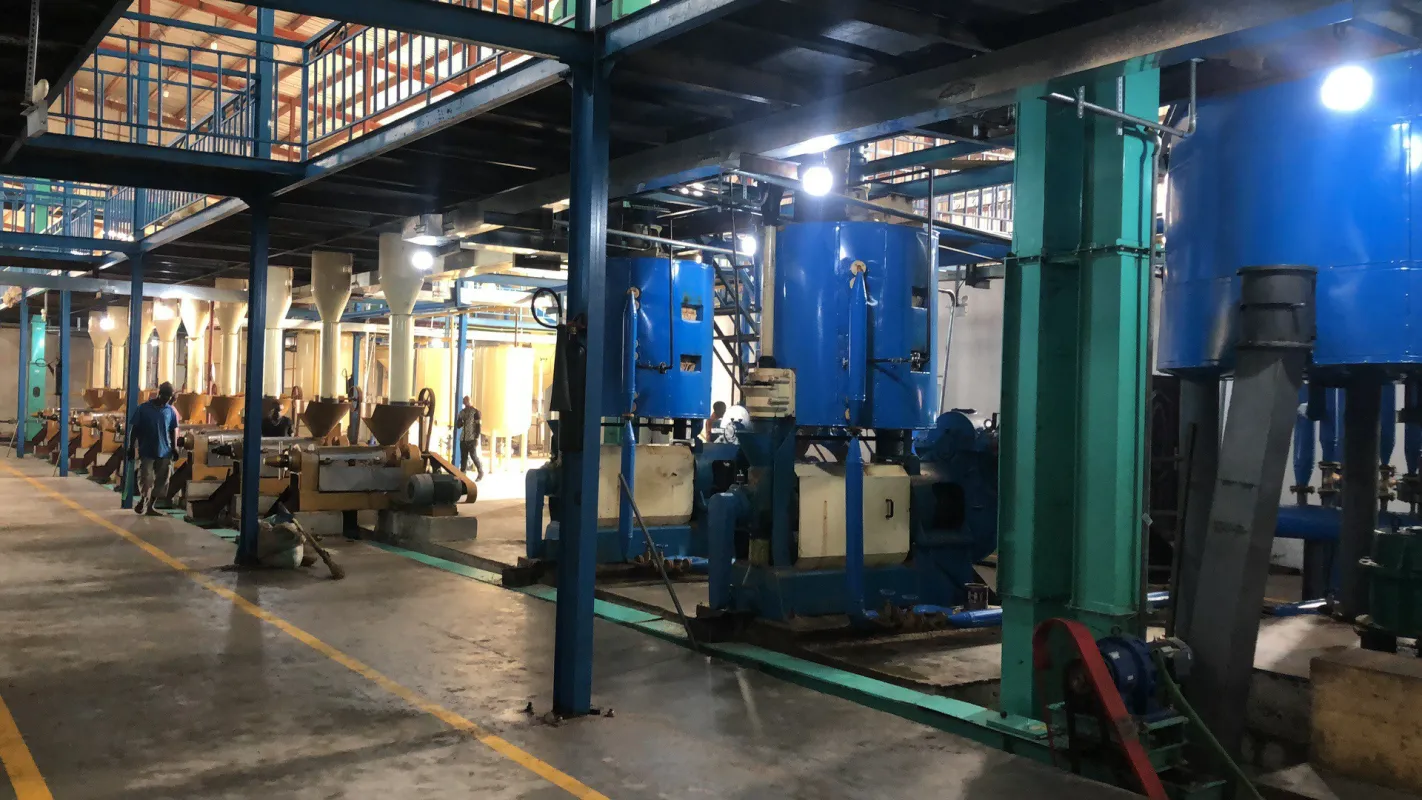
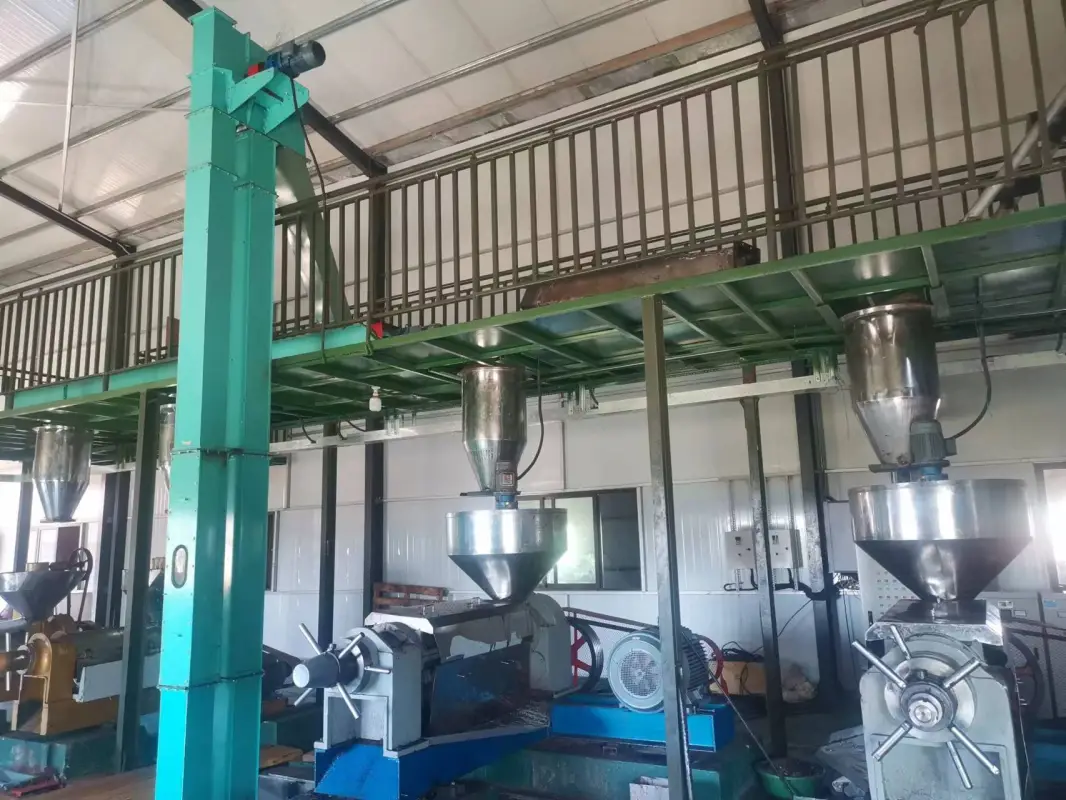
The edible oil processing equipment price starts with a robust pretreatment section. Our engineering focus in 2026 remains on precision flaking and expansion. By rolling oilseeds into uniform 0.3-0.5mm flakes, we maximize the rupture of cell walls, creating a high-surface-area pathway for extraction. For high-capacity lines, an expander is integrated to create a porous structure, significantly boosting extraction efficiency and reducing solvent consumption.
For a 50 TPD turnkey edible oil refinery plant, the extraction stage is where you secure your ROI. Utilizing a counter-current extraction method (Rotocel or Loop-type), our systems achieve a residual oil content in the meal of ≤ 0.5%. The 2026 update includes advanced multi-effect evaporation and DTDC systems, ensuring a solvent recovery rate of over 99.9%, which is critical for meeting modern environmental standards and reducing operational costs.
Whether you choose physical or chemical refining, the goal is a stable, clear, and high-smoke-point oil. Our continuous refining lines utilize high-speed disc centrifuges for degumming and a high-vacuum deodorization system (operating at 1-2 mmHg). This ensures the complete removal of Free Fatty Acids (FFA) and odors without excessive chemical additives, aligning with the "Green Refining" trends of 2026.
The debate between small scale vs industrial edible oil processing equipment comes down to your target market. Small-scale lines (1-10 TPD) offer the flexibility needed for premium oils. However, industrial-scale turnkey solutions leverage PLC automation and heat recovery systems to deliver a much faster ROI analysis for edible oil production line investment through sheer volume and energy savings.
The price is dependent on the degree of automation and the specific refining technology. In 2026, a standard line includes advanced PLC controls and high-vacuum systems. Physical refining is often preferred for 50 TPD+ lines due to lower oil loss and zero soap-stock discharge.
Flaking at 0.3-0.5mm mechanically ruptures the cell walls, ensuring oil is released with minimal resistance during extraction. This maximizes yield and directly increases daily profit margins.
Yes. To reach Grade 1, the line must include vacuum bleaching and high-temperature deodorization (220-260°C). Our turnkey small-scale solutions are engineered to deliver industrial-grade oil quality in a compact footprint.
Mechanical pressing alone leaves 12-18% oil in the cake. Solvent extraction reduces this to less than 0.5%, making it the industry standard for any plant exceeding 30-50 TPD.
Common hidden costs include utility lines (steam, water, electricity), engineer visa/travel, and local environmental permits. Always ensure your contract includes a "Commissioning Period" for on-site staff training.
Ready to start your edible oil project in 2026?
Get a Customized Quote Today Cottonseed oil production line
Comparison of mechanical pressing and solvent extraction
Cottonseed oil extraction technology
Cottonseed oil processing equipment selection
Purchase a soybean oil press
Egyptian soybean oil press
How to buy a soybean oil press
Soybean oil press machine price
Sunflower seed oil press process
Oil yield improvement technology
Impurity control methods
Temperature management of pressing, steaming and frying dough
Crude oil filtration optimization
Cost of a small-scale automated shea butter processing plant
Cold-pressed shea butter extraction production line with refining system
Turnkey shea butter production line manufacturer for West Africa
Shea butter production line
Recommended small-scale soybean oil production equipment
Recommended equipment for medium-sized soybean oil plants
Recommended large-scale soybean oil production equipment
Cottonseed oil production line
Comparison of mechanical pressing and solvent extraction
Cottonseed oil extraction technology
Cottonseed oil processing equipment selection
Purchase a soybean oil press
Egyptian soybean oil press
How to buy a soybean oil press
Soybean oil press machine price
Sunflower seed oil press process
Oil yield improvement technology
Impurity control methods
Temperature management of pressing, steaming and frying dough
Crude oil filtration optimization
Cost of a small-scale automated shea butter processing plant
Cold-pressed shea butter extraction production line with refining system
Turnkey shea butter production line manufacturer for West Africa
Shea butter production line
Recommended small-scale soybean oil production equipment
Recommended equipment for medium-sized soybean oil plants
Recommended large-scale soybean oil production equipment







.png?x-oss-process=image/resize,h_100,m_lfit/format,webp)
.png?x-oss-process=image/resize,h_100,m_lfit/format,webp)
.png?x-oss-process=image/resize,h_100,m_lfit/format,webp)