.png?x-oss-process=image/resize,h_100,m_lfit/format,webp)
.png?x-oss-process=image/resize,h_100,m_lfit/format,webp)
.png?x-oss-process=image/resize,h_100,m_lfit/format,webp)
1. Strategic Market Insight: Rice Bran Oil in 2026
In 2026, Rice Bran Oil (RBO) has shifted from a specialty product to a high-demand commodity in the health-conscious global market. Known for its high smoke point and significant Oryzanol content, RBO offers exceptional margins. However, the engineering complexity lies in the bran's volatile nature. Within hours of milling, lipase enzymes trigger a surge in Free Fatty Acids (FFA). Our 2026 turnkey solutions focus on "Stabilization First," ensuring your raw materials maintain peak quality for maximum refining yield.
2. The Critical Window: Stabilization & Bran-Awn Separation
Maximizing oil yield begins with Bran-Awn Separation. Broken rice fragments are low in oil but high in starch; if not removed, they absorb oil like a sponge during extraction.
The Solution: Our high-frequency separation screens isolate the bran, which then undergoes Extrusion Stabilization. By heating the bran to 130-150°C under high pressure, we achieve an enzyme inactivation rate of ≥95%, locking the acid value for days of safe storage.
3. Pre-treatment: Engineering the Ideal Leaching Matrix
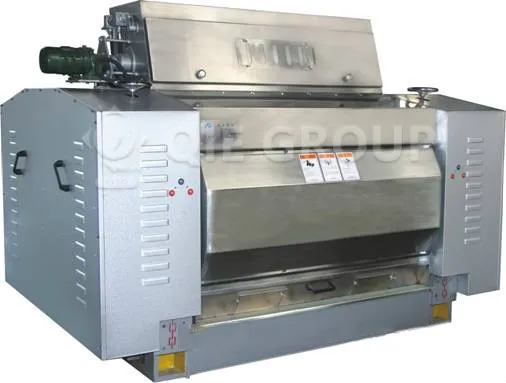
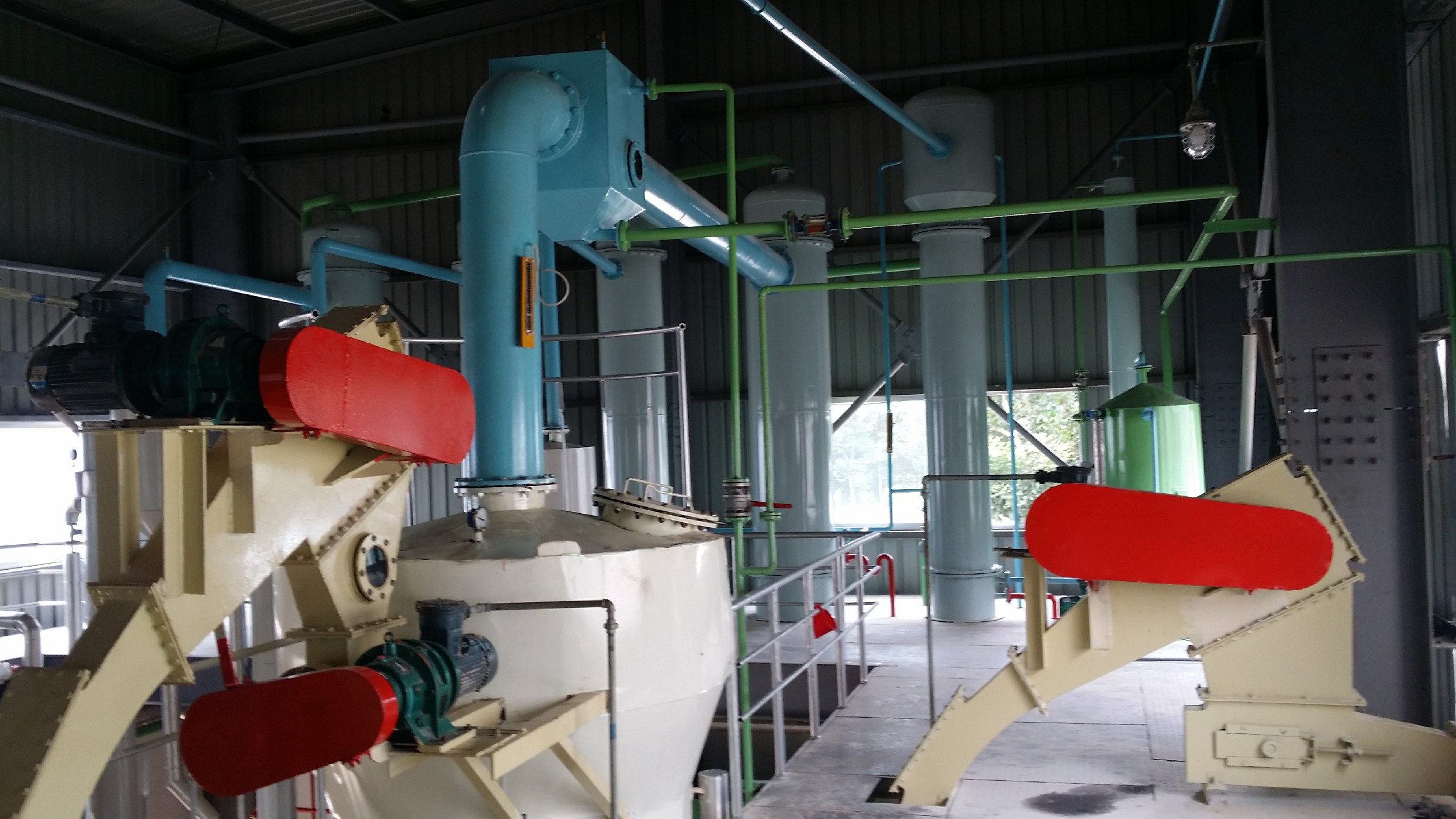
Rice bran cannot be extracted in its raw, powdery state. We utilize advanced Extruders to create expanded, porous pellets. As the material exits the die face, moisture flashes off, creating a honeycomb internal structure. This "Leaching Matrix" allows the solvent to penetrate rapidly, increasing extraction capacity and reducing the time required to reach the target residual oil levels.
4. Solvent Extraction: Advanced 50-200 TPD Solutions
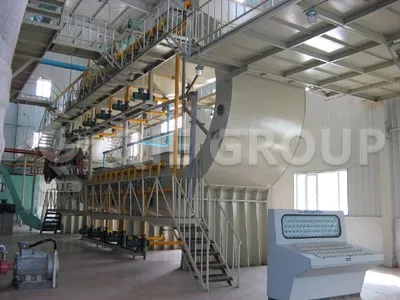
For high-capacity projects (50-200 TPD), the heart of the line is the Rotocel or Loop-type Extractor.
The 2026 Standard: We implement a 4-stage DTDC (Desolventizing, Toasting, Drying, Cooling) system. This ensures that final meal solvent residue is kept under 500ppm, meeting the strictest international safety standards for animal feed exports.
5. Investment ROI: 2026 Price List & Budgetary Breakdown
An informed investment requires balancing CAPEX with OPEX (Operating Expenditure). Our 2026 turnkey budgets focus on minimizing solvent and energy loss:
- Solvent Loss: Managed at ≤ 1.5kg per ton of material.
- Residual Oil: Target ≤ 1.0% (often reaching 0.5% with our extrusion path).
- Payback Period: Typically achieved within 18–24 months through high oil recovery and premium de-oiled bran value.
6. Refinery: From Crude Oil to Premium Standards
Rice bran oil is high in wax and gums. We employ Physical Refining (Distillation) to manage high FFA without the neutral oil loss associated with chemical alkali refining.
Dewaxing Stage: Our precision-controlled winterization process ensures your oil remains crystal clear at 0°C, a prerequisite for premium supermarket shelf placement worldwide.
7. Global Compliance: ISO & CE Certified Engineering
Every line we build adheres to international food safety protocols. All oil-contact surfaces are constructed from food-grade stainless steel. Our systems include real-time PLC automated monitoring for Acid Value, Peroxide Value, and temperature, ensuring consistent quality that passes any third-party lab inspection.
8. EPC Turnkey Service: Design to On-site Training
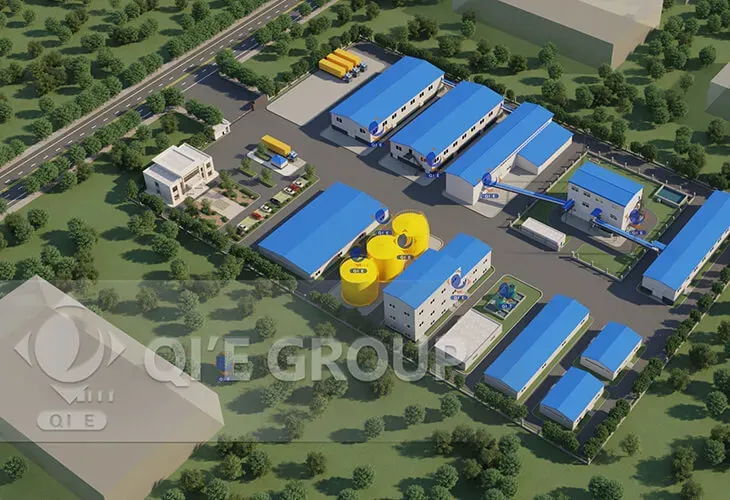
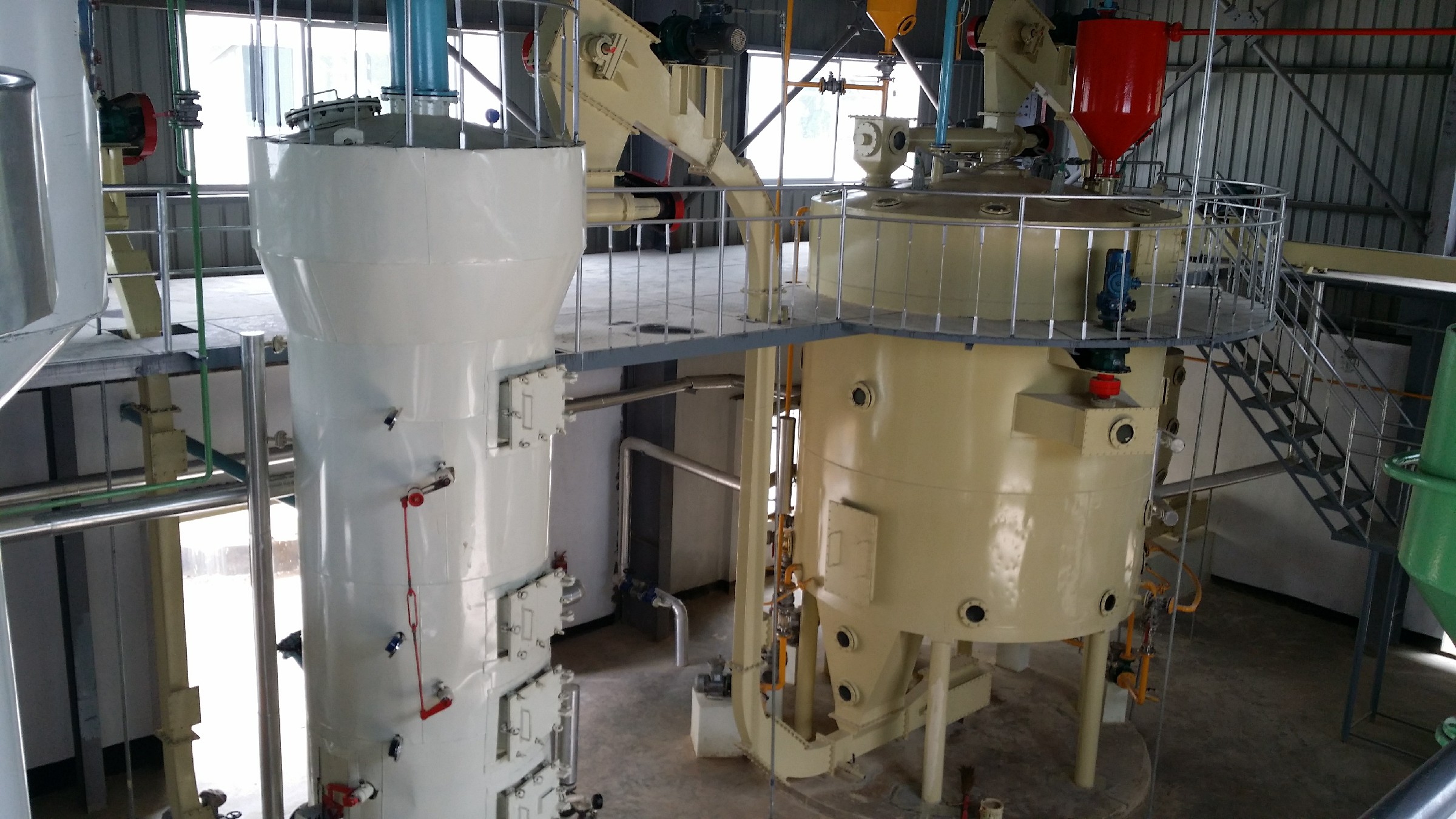
As a leading EPC (Engineering, Procurement, and Construction) partner, we handle the entire project lifecycle. This includes 3D plant layout, equipment manufacturing, international logistics, and on-site assembly. Crucially, we stay for local staff certification, ensuring your team is fully trained to maintain peak efficiency independently.
9. Sustainability: Energy Recovery & Zero-Emission Standards
Modern investors demand green metrics. Our 2026 designs utilize Multi-effect Negative Pressure Evaporation, recycling secondary steam to cut thermal energy costs by 20%. Our mineral oil absorption towers ensure near-zero solvent emissions, complying with the strictest environmental regulations globally.
10. Conclusion: Securing Your Edge with Penguin Group
Investing in a rice bran oil plant is a strategic commitment to high-yield technology. By choosing a turnkey solution, you are not just purchasing hardware; you are securing a contractual guarantee on yield, quality, and low operating costs. Let our decades of grease engineering expertise pave the way for your project's profitability in 2026.
Frequently Asked Questions Regarding Turnkey Rice Bran Oil Production Projects
Q1: How do you prevent rapid FFA rise in tropical climates?
Immediate Extrusion Stabilization is essential. By heating the bran to 130-150°C instantly post-milling, we kill lipase enzymes, maintaining a low acid value even in humid, tropical regions.
Q2: What is the ROI for a 50-200 TPD facility?
Most clients achieve a full payback within 18 to 24 months. This is driven by high oil extraction efficiency (≤1% residual oil) and the premium market price for stabilized de-oiled rice bran meal.
Q3: Why is "Bran-Awn Separation" non-negotiable?
Broken rice acts as a sponge. Removing these fragments via our specialized screens prevents oil absorption into the starch, directly increasing your final yield by up to 1.0%.
Q4: Is Physical Refining better than Chemical Refining?
Yes, specifically for Rice Bran Oil. Physical Refining eliminates the use of caustic soda, reducing neutral oil loss and wastewater, while preserving the beneficial Oryzanol content.
Q5: Do you provide on-site engineering support?
Absolutely. Our EPC model includes on-site installation supervision, PLC system localized training, and full commissioning to ensure your plant runs at peak performance from Day 1.