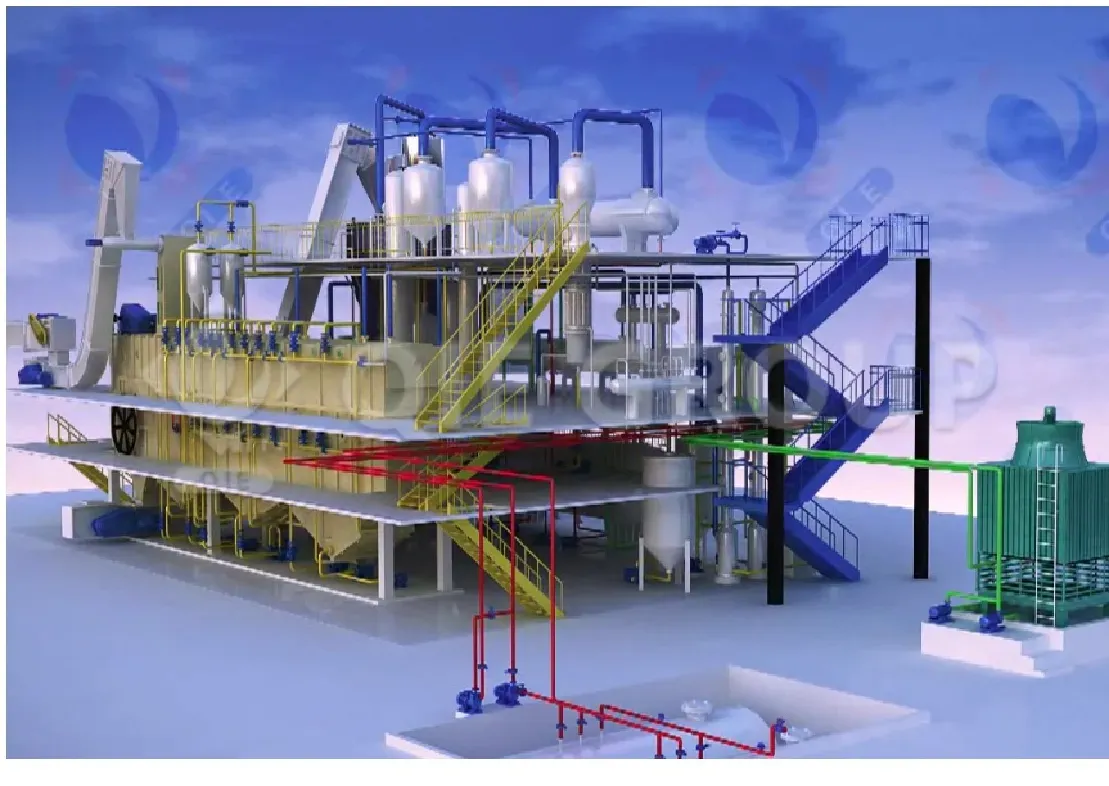
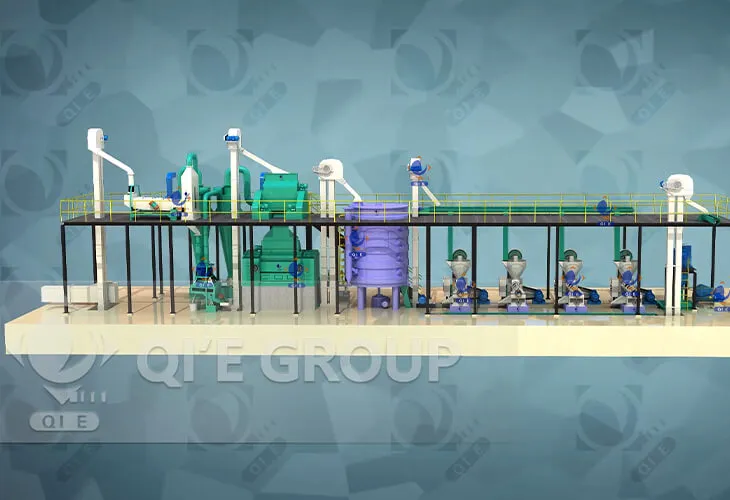
A complete edible oil production line typically includes raw material cleaning equipment, pretreatment equipment, oil pressing or solvent extraction systems, crude oil filtration equipment, oil refining equipment, storage tanks, and, when required, filling and packaging equipment. However, there is no universal equipment configuration that suits every project. The final equipment list depends on the type of oilseed being processed, production capacity, desired oil quality, and whether the plant produces crude oil or fully refined edible oil.
For example, a soybean oil extraction plant requires cracking, flaking, and solvent extraction equipment, while a palm oil mill uses sterilizers, threshers, digesters, and clarification systems. Likewise, a factory selling crude oil may not require refining or packaging equipment.
Understanding which equipment is essential—and which is optional—helps investors optimize capital investment, improve production efficiency, and avoid unnecessary equipment purchases. This guide explains the equipment used in each processing stage and how different production requirements influence equipment selection.

Although every edible oil project is customized, most production lines follow the same general process.
| Production Stage | Main Equipment | Required |
|---|---|---|
| Raw Material Receiving | Storage silos, conveyors, bucket elevators | ✔ Yes |
| Cleaning | Vibrating cleaner, destoner, magnetic separator | ✔ Yes |
| Pretreatment | Dehuller, crusher, flaker, conditioner, cooker | Depends on oilseed |
| Oil Extraction | Screw oil press or solvent extraction system | ✔ Yes |
| Crude Oil Treatment | Oil filter, settling tank | ✔ Yes |
| Oil Refining | Degumming, neutralization, bleaching, deodorization | Required for refined oil |
| Oil Storage | Crude oil and refined oil storage tanks | ✔ Yes |
The equipment required for an edible oil production line typically includes raw material cleaning equipment, pretreatment equipment, oil pressing or solvent extraction systems, crude oil filtration equipment, oil refining equipment, storage tanks, and, when required, filling and packaging equipment. These machines required for an edible oil production line work together to transform oil-bearing materials into crude or refined edible oil efficiently and consistently.
However, there is no universal equipment configuration suitable for every project. The final selection of edible oil processing equipment depends on several factors, including the type of oilseed, daily production capacity, desired oil quality, and whether the plant produces crude oil or finished cooking oil.
For example, soybean processing lines usually require cracking, flaking, conditioning, pressing or solvent extraction, while palm oil mills use sterilizers, threshers, digesters, and clarification systems. Likewise, investors producing crude oil may not need refining or packaging equipment, whereas retail edible oil manufacturers require a complete downstream refining and filling system.
Understanding the equipment required for an edible oil production line helps investors optimize capital investment, improve production efficiency, and avoid purchasing unnecessary machinery. The following guide explains the major edible oil production line machines, their functions, and how to select the right equipment for different production requirements.
The table below summarizes the machines required for an edible oil production line. Although every project is customized, most edible oil plants follow the same production sequence.
| Production Stage | Main Equipment | Required |
|---|---|---|
| Raw Material Receiving | Storage silos, conveyors, bucket elevators | ✔ Yes |
| Cleaning | Vibrating cleaner, destoner, magnetic separator | ✔ Yes |
| Pretreatment | Dehuller, crusher, flaker, conditioner, cooker | Depends on oilseed |
| Oil Extraction | Screw oil press or solvent extraction system | ✔ Yes |
| Crude Oil Treatment | Oil filter, settling tank | ✔ Yes |
| Oil Refining | Degumming, neutralization, bleaching, deodorization | Required for refined oil |
| Oil Storage | Crude oil and refined oil storage tanks | ✔ Yes |
| Filling & Packaging | Filling, capping and labeling machines | Optional |
These edible oil production line machines are configured differently depending on the raw material and production objectives.
Rather than following a fixed equipment list, professional engineers configure edible oil processing equipment according to raw material characteristics, production capacity, oil recovery targets, and investment budgets.
Raw material cleaning is the first processing stage in virtually every edible oil plant and one of the most important parts of the equipment required for an edible oil production line.
Fresh oilseeds often contain dust, stones, sand, stems, metal fragments, and other impurities introduced during harvesting, transportation, and storage. If these contaminants are not removed before processing, they can damage downstream edible oil processing equipment, increase maintenance costs, and reduce production efficiency.
Typical cleaning equipment includes:
Among these machines, the magnetic separator is particularly important because even small metal particles can damage crushers, flakers, screw presses, and other vegetable oil processing equipment.
A properly designed cleaning section not only protects equipment but also improves process stability and helps maintain consistent oil quality throughout the production line.
After cleaning, many oil-bearing materials require pretreatment before oil extraction.
The exact edible oil plant equipment selected during this stage depends on the oilseed characteristics and the chosen production process.
Typical pretreatment equipment includes:
Different oilseeds require different pretreatment configurations.
Soybeans
Soybeans are normally cracked before flaking. Proper particle size improves solvent penetration or mechanical pressing efficiency while reducing residual oil in soybean meal.
Sunflower Seeds
Sunflower seeds are often partially or completely dehulled to reduce fiber content, improve crude oil quality, and increase meal value.
Cottonseed
Cottonseed processing generally includes lint removal before dehulling to improve equipment performance and reduce wear.
Rapeseed
Medium- and large-scale rapeseed processing plants usually include crushing before conditioning to improve extraction efficiency.
Instead of installing every available machine, experienced engineers select only the edible oil processing equipment that creates measurable value for the chosen raw material and production process.
Conditioning prepares oil-bearing materials for efficient oil extraction and is an important stage in many modern edible oil production line machines.
Its purpose is to improve material uniformity, adjust moisture and temperature, soften cell structures, and increase oil recovery during pressing or solvent extraction.
Depending on the raw material, this section may include:
The required configuration varies among different oilseeds.
| Oilseed | Flaking | Cooking / Conditioning |
|---|---|---|
| Soybean | Common | Common |
| Rapeseed | Often required | Common |
| Sunflower Seed | Depends on process | Usually required |
| Peanut | Usually not required | Sometimes used |
| Sesame | Often omitted | Depends on product |
| Palm Fruit | Not applicable | Uses sterilization instead |
One of the most important engineering principles is that edible oil processing equipment should always be selected according to the characteristics of the raw material rather than following a standard machine configuration.
Mechanical oil pressing is the core processing stage for many edible oil plants.
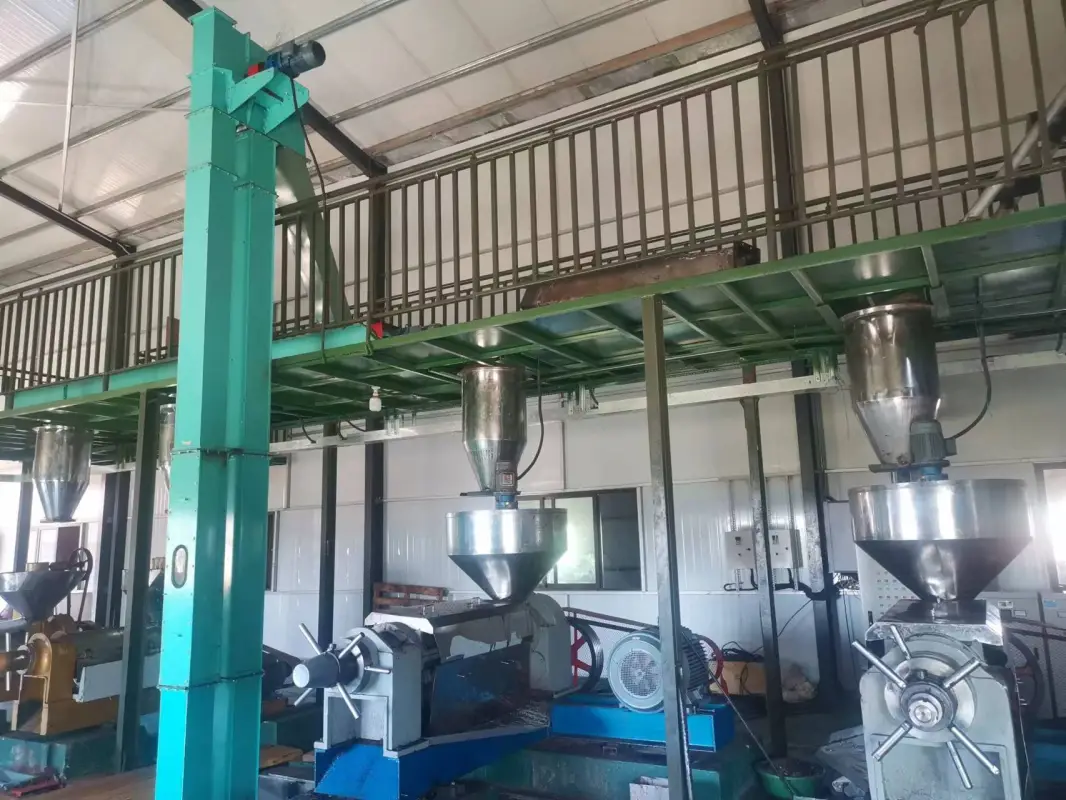
A screw oil press separates oil from prepared oil-bearing materials through continuous mechanical pressure and remains one of the most widely used pieces of edible oil processing equipment due to its stable operation, simple maintenance, and broad application range.
Common raw materials include:
When selecting an oil press, engineers evaluate:
Rather than selecting a machine based only on rated capacity, the oil press should be matched to the entire production process to maximize oil recovery and ensure stable long-term operation.

Not every edible oil production line requires solvent extraction, but it is one of the most important types of edible oil processing equipment for medium- and large-scale industrial projects.
Unlike mechanical pressing, solvent extraction recovers the remaining oil from press cake, significantly increasing overall oil yield and improving production profitability.
Solvent extraction is generally recommended when:
Mechanical pressing alone is often sufficient when:
Choosing between pressing and solvent extraction should always depend on production objectives rather than assuming every production line requires both systems.
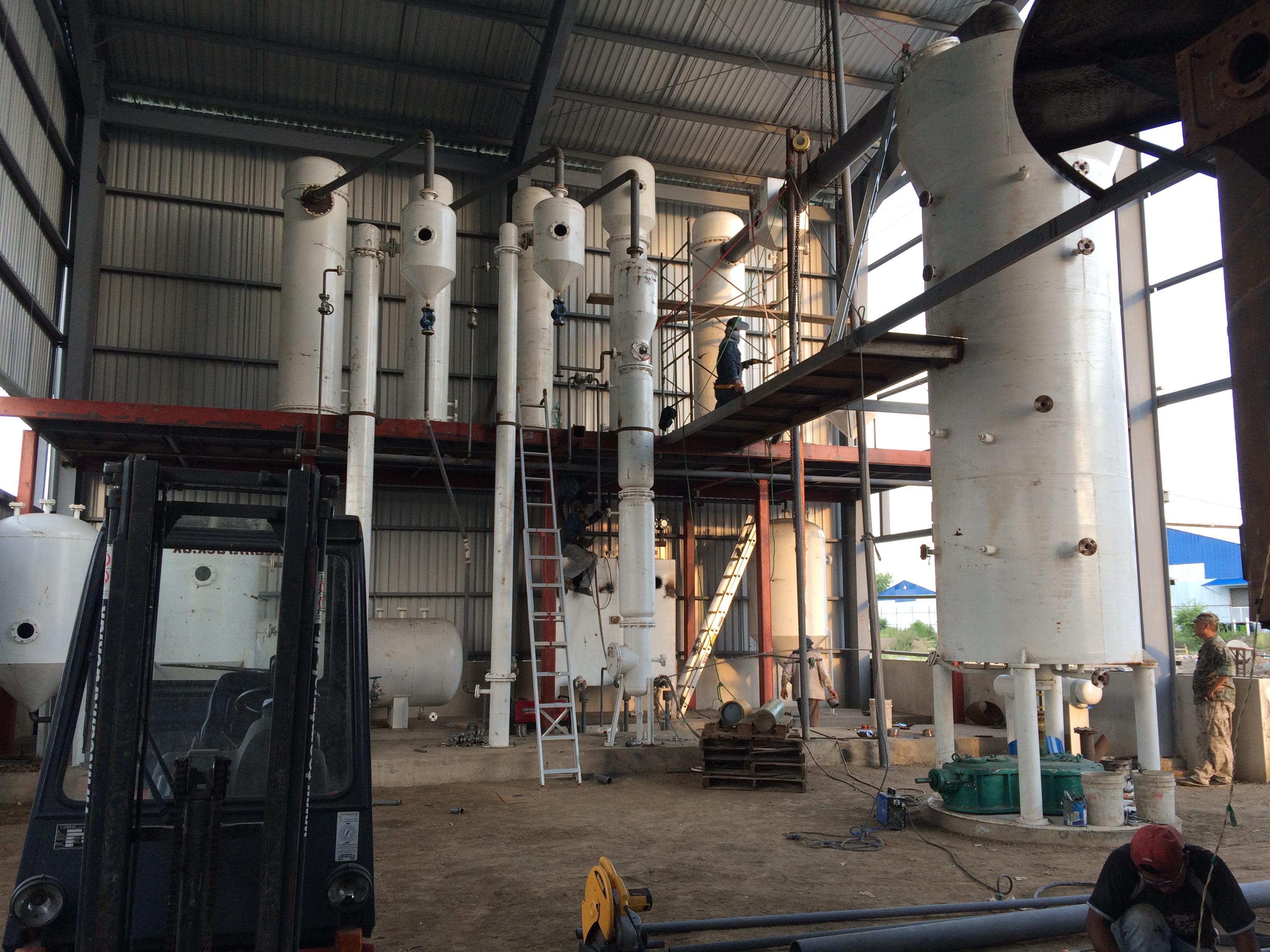
A practical example of selecting the right equipment required for an edible oil production line is QIE GROUP's 150 TPD soybean, sunflower seed, and rapeseed pretreatment and solvent extraction project in Pakistan. The plant was designed to process multiple oilseeds efficiently rather than relying on a fixed equipment configuration. It includes pretreatment equipment, a continuous solvent extraction system, solvent recovery units, a DTDC desolventizing system, and an automated control system. This customized combination of edible oil processing equipment enables the factory to switch between different raw materials while maintaining high oil recovery, stable production, and low energy consumption. The project demonstrates how proper equipment selection improves operational efficiency and maximizes long-term investment returns.

After oil extraction, crude vegetable oil still contains suspended solids, moisture, phospholipids, and other impurities. Installing appropriate edible oil processing equipment for filtration is essential to improve oil clarity, protect downstream equipment, and ensure stable refining performance.
Common filtration equipment includes:
The filtration system should be selected according to production capacity, oil type, and process requirements. Small edible oil plants often use batch filtration, while medium- and large-scale factories generally adopt continuous filtration systems to improve productivity and maintain consistent oil quality.
Although filtration is often overlooked during project planning, it is one of the machines required for an edible oil production line because it reduces the impurity load entering the refining section, lowers maintenance costs, and contributes to more stable long-term operation.
Oil refining is one of the most valuable stages in a complete edible oil production line, but it is not required for every project.
A complete refining system usually includes the following edible oil processing equipment:
These systems remove phospholipids, free fatty acids, pigments, odors, trace metals, and other impurities to produce refined edible oil that meets commercial food-grade standards.
Refining equipment is recommended when:
Refining equipment may not be necessary when:
Because refining equipment represents a significant investment, it should be selected according to the final product rather than simply being included in every production line.
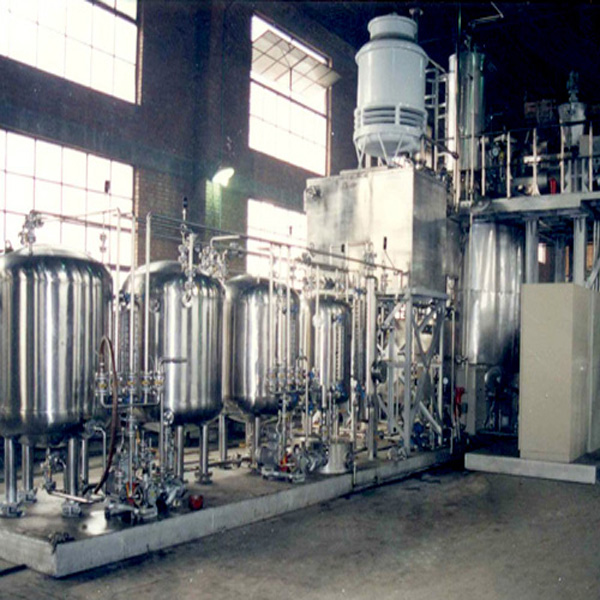
A successful example of selecting the right equipment required for an edible oil production line is QIE GROUP's 120 TPD soybean crude oil refining project in Egypt. The customer required high-quality refined soybean oil for the food market, so the production line was equipped with a complete continuous refining system, including degumming, neutralization, bleaching, deodorization, heat recovery, vacuum systems, and finished oil storage tanks. Automated process control ensured stable operation, low energy consumption, and consistent product quality. The project demonstrates how properly configured edible oil processing equipment can significantly increase product value and improve the competitiveness of edible oil manufacturers.

Oil storage systems are essential edible oil production line machines that connect different processing stages and maintain stable production.
Typical storage equipment includes:
Depending on production capacity, storage systems may also include:
Proper storage design helps balance production between extraction, filtration, refining, and packaging while maintaining oil quality during temporary storage.
Regardless of plant size, storage tanks remain one of the most important pieces of edible oil plant equipment because they ensure continuous and stable plant operation.
Packaging equipment represents the final stage of a complete edible oil production line when the finished oil is sold directly to consumers.
Typical edible oil production line machines used in this section include:
Packaging equipment is recommended when:
Packaging equipment is generally unnecessary when:
Selecting packaging equipment should always match the target market, container type, filling capacity, and automation level.
Selecting the equipment required for an edible oil production line is not simply a matter of purchasing more machines. A well-designed production line is built around the customer's production objectives.
Professional engineers normally evaluate the following factors before recommending edible oil processing equipment:
Different oil-bearing materials require completely different processing technologies.
For example:
Equipment selection varies significantly between:
Higher capacities generally require greater automation and continuous processing systems.
Ask one important question:
Will the plant produce:
• Crude oil?
or
• Refined edible oil?
The answer determines whether refining and packaging systems should be included.
Choosing appropriate edible oil processing equipment helps balance investment cost, operating efficiency, and future expansion potential.
A customized engineering solution almost always delivers better long-term returns than purchasing unnecessary equipment.
The equipment required for an edible oil production line generally includes cleaning equipment, pretreatment equipment, oil pressing or solvent extraction systems, crude oil filtration equipment, storage tanks, and—when required—refining and packaging systems. Although these processing stages are common across most edible oil plants, the final equipment configuration should always be based on the raw material, production capacity, processing technology, and target market.
Rather than purchasing more edible oil production line machines, successful investors focus on selecting the right edible oil processing equipment for their specific production goals. A properly designed production line improves oil recovery, reduces operating costs, enhances product quality, and provides a stronger return on investment over the life of the project.
1. What equipment is required for an edible oil production line?
The equipment required for an edible oil production line typically includes raw material cleaning equipment, pretreatment equipment, oil pressing or solvent extraction systems, crude oil filtration equipment, storage tanks, and, when necessary, refining and packaging equipment. The exact configuration depends on the raw material and the final product.
2. What machines are required for an edible oil production line?
The main machines required for an edible oil production line include cleaners, dehullers, crushers, flakers, conditioners, screw oil presses, solvent extraction systems, filters, refining equipment, storage tanks, and filling machines. Not every project requires all of these machines.
3. Do all edible oil plants require refining equipment?
No. Refining equipment is only required when producing food-grade edible oil. Plants selling crude oil to downstream refineries usually do not need a refining system.
4. When should solvent extraction equipment be used?
Solvent extraction is recommended for medium- and large-scale soybean, rapeseed, and sunflower seed processing plants where maximizing oil recovery is an important investment objective.
5. Can one edible oil production line process different oilseeds?
Yes. Many modern production lines can process soybean, sunflower seed, rapeseed, and other oil-bearing materials after adjusting pretreatment parameters. However, palm fruit requires a completely different processing system.
6. How do I choose the right edible oil processing equipment?
The best edible oil processing equipment should be selected according to the raw material, production capacity, desired oil quality, investment budget, and market positioning. Working with an experienced engineering supplier helps optimize equipment configuration and maximize long-term profitability.
Choosing the right equipment required for an edible oil production line is one of the most important decisions when planning an edible oil processing project. Whether you are processing soybean, sunflower seed, rapeseed, peanut, sesame, cottonseed, or other oil-bearing materials, the correct equipment configuration directly affects oil yield, production efficiency, operating costs, and long-term profitability.
QIE GROUP provides customized edible oil processing equipment and complete turnkey solutions, including process design, equipment manufacturing, installation, commissioning, operator training, and after-sales technical support.
Contact our engineering team today to receive a customized equipment proposal and a complete list of the equipment required for your edible oil production line based on your raw material, production capacity, investment budget, and product requirements.
Get your tailored, cost-effective edible oil machinery solutions. Our engineering team is ready to analyze your raw materials and production capacity to build the perfect setup.
Get A Free Proposal coconut oil processing in Indonesia
coconut oil processing business in Indonesia
coconut oil processing plant investment in Indonesia
how much does a coconut oil processing plant cost in Indonesia
250 TPD Shea Butter Processing Plant
Turnkey Shea Butter Pre-treatment and Pressing Line in Nigeria
Industrial Shea Butter Refining Machine for Cosmetics and Food Grade Oil
Automatic Shea Butter Extraction Project with High Oil Yield Technology
lifespan of soybean oil production line
Average service life of edible oil refineries
Factors affecting the mechanical durability of soybean oil extraction
Maintenance techniques to extend the operating time of soybean oil plants
Soybean Solvent Extraction Plant
Soybean oil solvent extraction plant cost and ROI
Small scale soybean oil extraction machine for beginners
Top-rated soybean solvent extraction equipment manufacturers
Edible Oil Extraction Lines
2026 Machinery for 10–100 t/h Edible Oil Extraction Lines
2026 Machinery and Pricing for 10–100 t/h Edible Oil Extraction Lines
2026 Pricing for 10–100 t/h Edible Oil Extraction Lines
Machinery and Pricing for 10–100 t/h Edible Oil Extraction Lines
coconut oil processing in Indonesia
coconut oil processing business in Indonesia
coconut oil processing plant investment in Indonesia
how much does a coconut oil processing plant cost in Indonesia
250 TPD Shea Butter Processing Plant
Turnkey Shea Butter Pre-treatment and Pressing Line in Nigeria
Industrial Shea Butter Refining Machine for Cosmetics and Food Grade Oil
Automatic Shea Butter Extraction Project with High Oil Yield Technology
lifespan of soybean oil production line
Average service life of edible oil refineries
Factors affecting the mechanical durability of soybean oil extraction
Maintenance techniques to extend the operating time of soybean oil plants
Soybean Solvent Extraction Plant
Soybean oil solvent extraction plant cost and ROI
Small scale soybean oil extraction machine for beginners
Top-rated soybean solvent extraction equipment manufacturers
Edible Oil Extraction Lines
2026 Machinery for 10–100 t/h Edible Oil Extraction Lines
2026 Machinery and Pricing for 10–100 t/h Edible Oil Extraction Lines
2026 Pricing for 10–100 t/h Edible Oil Extraction Lines
Machinery and Pricing for 10–100 t/h Edible Oil Extraction Lines




.png?x-oss-process=image/resize,h_100,m_lfit/format,webp)
.png?x-oss-process=image/resize,h_100,m_lfit/format,webp)
.png?x-oss-process=image/resize,h_100,m_lfit/format,webp)