


.png?x-oss-process=image/resize,h_100,m_lfit/format,webp)
.png?x-oss-process=image/resize,h_100,m_lfit/format,webp)
.png?x-oss-process=image/resize,h_100,m_lfit/format,webp)
Tanzania has become one of the most important sesame producers in Africa, attracting growing interest from local entrepreneurs, agricultural investors, exporters and edible oil processors.
With abundant sesame production and established export channels to Asia, many investors see sesame oil processing as an opportunity to add value locally rather than exporting raw sesame seeds. However, establishing a profitable sesame oil processing plant in Tanzania requires more than just purchasing machinery. The success of the project depends on raw material supply, investment planning, production scale, market channels, and operational efficiency.
Before investing, most investors try to answer five important questions:
- Is there a sufficient supply of sesame seeds?
- How much does it cost to build a sesame oil processing plant in Tanzania?
- What factory capacity should we choose?
- How to sell the oil produced?
- Will this project generate substantial returns?
Let's examine these issues one by one.
1. Is there a sufficient supply of sesame raw materials for building a sesame oil processing plant in Tanzania?
For most oil processing projects, the biggest risk is not equipment, but the availability of raw materials.
Tanzania is recognized as one of the world's major sesame producers, exporting large quantities of sesame annually. Major production areas include:
- Lindy District
- Mtwara District
- Luwuma District
- Morogoro District
- Totoma District
This strong agricultural base creates favorable conditions for investment in sesame oil processing.
However, investors should remember that sesame production is seasonal. Competition among exporters, traders, and processors can intensify significantly during harvest season. Therefore, securing reliable sourcing channels is often more important than purchasing the largest production line.
Before making an investment decision, investors should evaluate:
- annual sesame production in the target region
- Relationship with local suppliers
- Opportunities in Contract Farming
- Warehousing demand
- Transportation and Logistics
Many successful processing companies determine their raw material strategy before finalizing factory capacity.
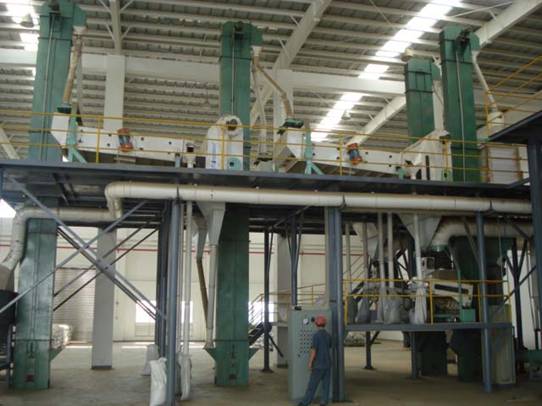
2. How much does it cost to build a sesame oil processing plant in Tanzania?
One of the most frequently asked questions is: What is the actual cost of a sesame oil processing plant in Tanzania?
The answer depends on production capacity, level of automation, and product positioning.
Most investors focus on the cost of machinery and equipment, but a complete project budget typically includes several categories.
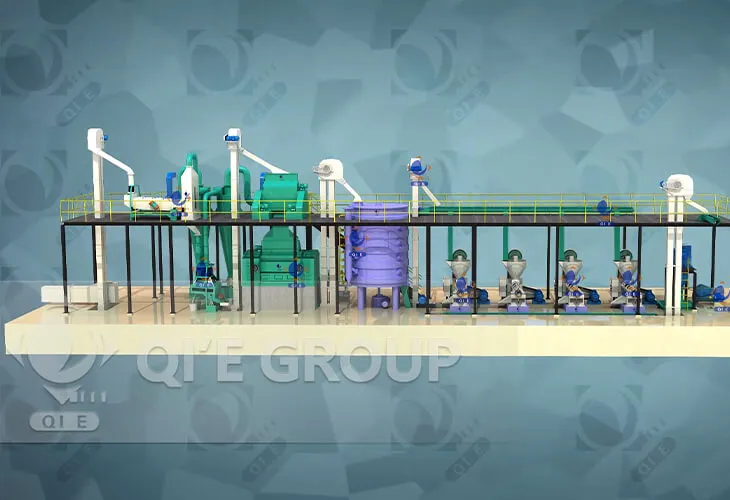
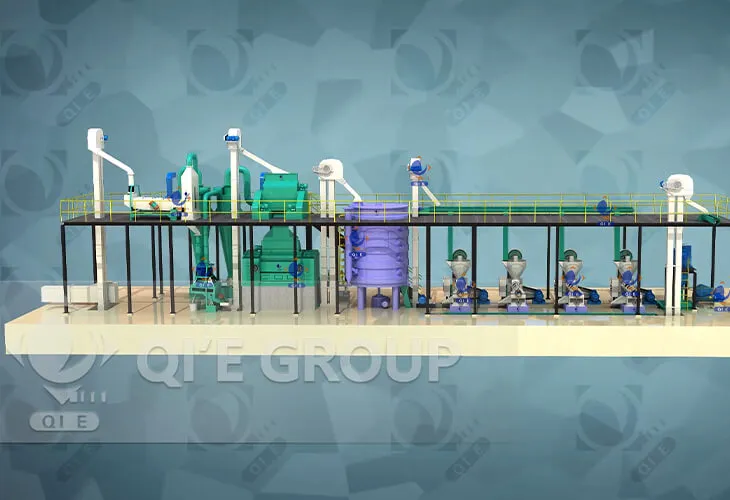
Production equipment
The equipment may include:
- Sesame Cleaning System
- Oil press
- Filtration system
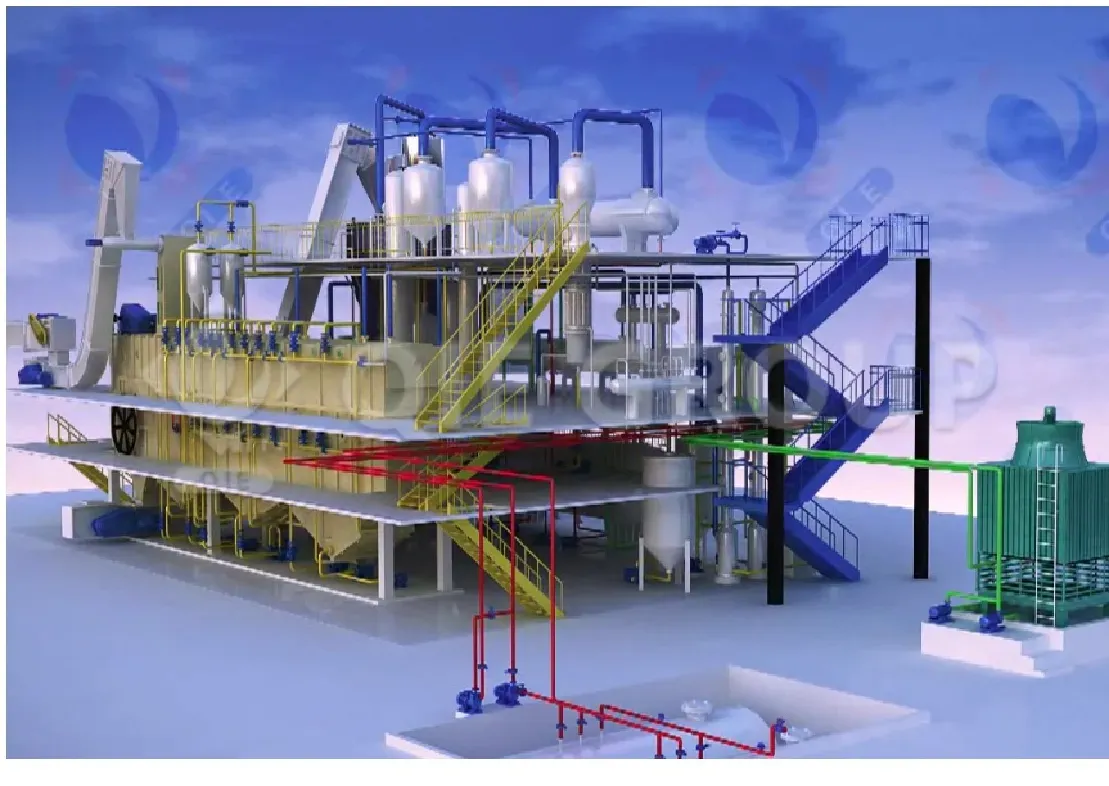
- Optional refining equipment
- Filling and packaging machines
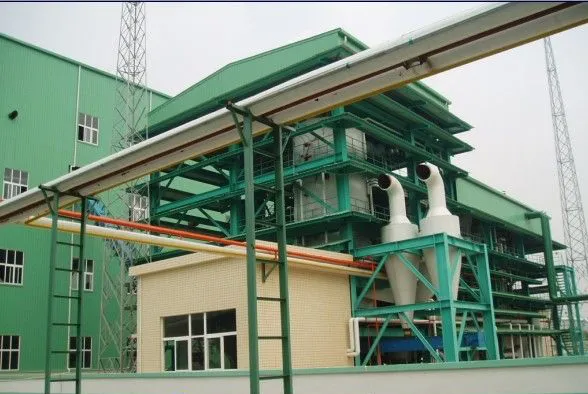
Factory construction
Investments may include:
- Production workshop
- Raw material warehouse
- Finished product storage area
- Office facilities
Public works system
Supporting systems typically include:
- power distribution
- Water supply
- boiler
- Fire protection system
Installation and debugging
Additional fees may include:
- Equipment installation
- Operator training
- Trial production
- Technical Support
The most important point for investors is that equipment is only part of the total investment. In the first year of operation, working capital and inventory financing can sometimes exceed the initial equipment expenditure.

3. What production capacity should investors choose?
A common misconception is that larger factories automatically generate higher profits. In reality, profitability depends on capacity utilization, not maximum capacity.
Small factory (10-20 tons/day)
Applicable to:
- First-time investors
- Regional edible oil market
- Limited investment budget
Advantages:
- Low investment risk
- Easier to manage
Medium-sized factory (30-50 tons/day)
Applicable to:
- Commercial production
- Continuously evolving distribution network
- Export-oriented development
Advantages:
- Better operational efficiency
- Balanced investment needs
Large-scale factories (100 tons/day and above)
Applicable to:
- Established procurement system
- Sufficient working capital
- Large-scale export business
Advantages:
- Economies of scale
- Lower processing cost per ton
challenge:
- Higher inventory demand
- Higher dependence on continuous raw material supply
For many newcomers to the industry, medium-capacity plants typically offer the best balance between growth potential and investment risk.
4. How to sell the sesame oil produced?
Before purchasing equipment, investors should clearly define their target market. A processing plant without a sales strategy may face significant challenges, even if production is going smoothly.
Typically, sesame oil producers can target four main market segments.
Bulk oil buyers
The products are sold to traders, food manufacturers, or industrial users.
- Advantages: Lower processing requirements, faster sales cycle
- Challenge: Low profit margins
Refined edible oil market
Sold through wholesalers, distributors, and retailers.
- Advantages: Higher added value, wider customer base
- Challenge: Additional quality requirements
export market
Tanzania has already exported sesame products to the international market, such as:
- China
- India
- Japan
- South Korea
- Vietnam
Export-oriented projects can access larger markets, but typically require more stringent quality management and certification systems.
premium consumer goods market
Some investors focus on:
- Branded sesame oil
- Retail Packaging
- Health-conscious consumers
- Specialty food market
While sales volume may be small, profit margins can be quite high. The best sales strategy depends on the investor's market experience, customer network, and long-term business goals.
5. Can sesame oil processing plants in Tanzania be profitable?
Ultimately, this is the most important question. There is no single profit figure, as project performance varies depending on market conditions, raw material costs, and management efficiency. However, several factors consistently influence profitability.
Raw material costs
Sesame seeds are typically the largest operating expense. Even small changes in procurement costs can significantly impact profit margins.
Capacity utilization rate
Factories that operate stably throughout the year typically perform better than large factories that operate intermittently.
Product Positioning
Profitability typically increases as a product moves up the value chain. For example:
- Crude oil
- Refined oil
- Packaged retail oil
- High-quality and distinctive products
Each category offers different profit potential.
By-product utilization
Sesame cakes retain commercial value and can generate additional revenue streams. Effective utilization of by-products can improve the overall economics of the project and reduce waste.
Common mistakes investors make
Many poorly performing sesame oil projects have similar problems.
- Purchase equipment before securing a sesame supply: Raw material shortages can quickly reduce factory utilization and profitability.
- Choosing excessively large production capacity: Larger factories require larger inventories and stronger procurement systems.
- Underestimating working capital: Many investors budget for equipment but underestimate the funds required for seasonal sesame purchases.
- Ignoring warehousing needs: Sufficient warehousing capacity is crucial for managing seasonal raw material supplies.
- Entering the market without a sales agreement: Ensuring customers can usually reduce business risk before production begins.
Investment Insights: Securing Supply Before Expanding Capacity
One lesson repeatedly observed in edible oil processing projects is simple: the first bottleneck is usually the supply of raw materials, not equipment capacity.
Investors generally find it better to focus on the following aspects:
- Sesame Procurement Partnership
- Warehouse planning
- Working capital arrangements
- Market access and customer development
Once these foundations are laid, choosing the right factory capacity becomes much easier, and the risks are significantly reduced.

in conclusion
Tanzania possesses a well-established sesame production base, export experience, and a growing agricultural economy, making it a strong potential market for investment in sesame oil processing.
However, successful projects are not solely built on equipment procurement.
Before investing in a sesame oil processing plant in Tanzania, decision-makers should conduct a thorough evaluation:
- Raw material availability
- Total investment of the project
- Suitable production scale
- Market Opportunities
- Profit Drivers
In many cases, the most successful project is not the biggest one, but the one built around a reliable sesame supply, efficient operations, and a clear market strategy.
Investors who answer these five questions before construction begins are generally better prepared for long-term success and sustainable returns.
in conclusion
Tanzania possesses a well-established sesame production base, export experience, and a growing agricultural economy, making it a strong potential market for investment in sesame oil processing.
However, successful projects are not solely built on equipment procurement.
Before investing in a sesame oil processing plant in Tanzania, decision-makers should conduct a thorough evaluation:
- Raw material availability
- Total investment requirements for the project
- Suitable production capacity
- Market access opportunities
- Long-term profit drivers
Investors who take the time to answer these questions before construction begins are typically better able to mitigate risk, improve operational stability, and achieve sustainable growth.
In many cases, the most successful sesame oil factory is not the largest, but the one built around a reliable sesame supply, realistic capacity planning, efficient operations, and a clear market strategy.
About the author: An engineering perspective from QIE GROUP
This article has been reviewed by the technical team of QIE GROUP from an engineering and project planning perspective. QIE GROUP is an edible oil processing equipment manufacturer and EPC contractor founded in 1982.
QIE GROUP boasts over forty years of experience in edible oil engineering and operates a 130,000-square-meter smart manufacturing facility. The company holds over 139 patents and certifications related to edible oil processing equipment and engineering technology, and has provided equipment and project services to clients from more than 100 countries and regions.
Engineer Insights
"In emerging agricultural markets like Tanzania, the biggest mistake investors make is treating equipment procurement as the starting point of a project. In reality, the first question should be: 'Can I secure a sesame supply for at least the next three harvest cycles?'"
We've seen projects where investors purchased large equipment before establishing a sourcing network, only to struggle with low utilization rates. Conversely, moderately sized plants with strong raw material partnerships tend to achieve more stable returns and successfully expand over time.
For sesame processing projects, capacity planning should follow supply planning—not the other way around.
— QIE GROUP Engineering Team
Based on our experience supporting edible oil projects in Africa and other emerging markets, successful projects typically share three common characteristics:
- Before finalizing the equipment specifications, they established reliable raw material procurement channels.
- They maintain ample liquidity to absorb seasonal purchasing fluctuations.
- They adjust factory capacity based on actual market access rather than optimistic demand assumptions.
This pragmatic approach typically contributes more to the long-term performance of a project than marginal differences in equipment pricing.
Tanzanian Sesame Oil Process Plant: Frequently Asked Questions
1. How long does it take to build a sesame oil processing plant in Tanzania?
The timeline depends on factors such as factory capacity, equipment manufacturing cycle, civil engineering requirements, and local installation conditions.
For most projects, investors should allow sufficient time for engineering design, equipment manufacturing, installation, commissioning, and operator training before commercial production begins.
Proper planning in the early stages can help reduce delays and improve project execution.
2. Does a sesame oil processing project require refining equipment?
uncertain.
Some investors start by producing crude sesame oil and then add refining capacity as their business expands.
The decision depends on:
- Target customers
- Product Positioning
- Export requirements
- Investment Budget
Projects supplying the retail edible oil market typically require a higher level of processing than projects focused on bulk oil sales.
3. What is the biggest hidden cost in a sesame oil processing project?
Many investors focus primarily on equipment costs while underestimating the need for working capital.
Because sesame procurement is seasonal, processors typically need a significant amount of capital to purchase and store raw materials during the harvest season.
In many cases, working capital planning is just as important as equipment investment planning.
4. Can the sesame oil processing plant be expanded in the future?
Can.
Many successful investors start with medium-sized processing capacity and expand only after establishing stable sesame procurement channels and a reliable sales network.
A phased expansion strategy can reduce investment risk while preserving future growth opportunities.
5. What information should investors prepare before requesting a project quote?
Providing detailed project information helps equipment suppliers make more accurate recommendations and investment estimates.
Useful information includes:
- Expected processing capacity
- Sesame Procurement Area
- Target Market
- Demand for crude oil or refined oil
- Packaging requirements
- Available factory space
- Expansion Plan
The more information provided during the planning phase, the more accurate the proposed solutions will be.
Need a customized sesame oil processing plant solution for Tanzania?
Every sesame oil project is different. Factors such as raw material availability, target market, investment budget, and production targets all influence factory design and equipment selection.
QIE GROUP provides:
- Sesame oil processing plant design
- Equipment manufacturing
- Installation and debugging
- Operator training
- EPC turnkey project solutions
- Capacity Expansion Consulting
Whether you are evaluating a small sesame oil processing plant or a large commercial processing facility, our engineering team can help you assess technical requirements, estimate project costs, and develop solutions that meet your investment objectives.
Contact QIE GROUP to discuss your sesame oil processing project and receive a customized quote.





.JPG?x-oss-process=image/resize,h_800,m_lfit/format,webp)

.jpg?x-oss-process=image/resize,h_800,m_lfit/format,webp)


