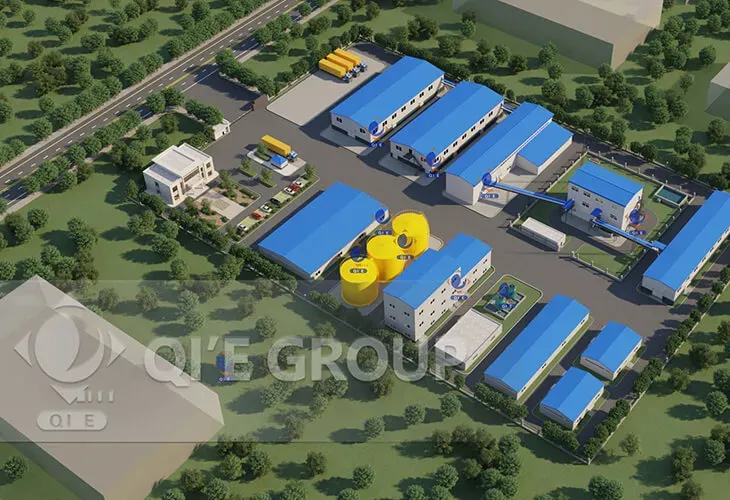
An oil processing plant quotation should clearly define the raw material, processing capacity, process scope, equipment configuration, technical specifications, utilities, automation, engineering, installation, commissioning, spare parts, delivery terms, warranty, payment conditions, and all included or excluded items. A complete quotation allows buyers to compare suppliers on an equivalent technical and commercial basis rather than choosing only by the lowest price.
An oil processing plant quotation is a technical and commercial document that defines the equipment, processing capacity, engineering scope, services, utilities, delivery conditions, and commercial terms proposed for an oil processing project.
For an oil mill plant or complete oil processing line, the buyer should be able to answer three questions before comparing prices:
A quotation that clearly answers these questions provides a stronger basis for technical evaluation, project budgeting, and supplier selection.
A complete quotation should normally connect the production requirement with the proposed equipment and services. The main items include:
The exact scope depends on whether the supplier is quoting individual equipment, a processing section, a complete production line, or a turnkey plant.
This distinction is important because two suppliers can quote the same nominal capacity while offering substantially different equipment, engineering, and services.
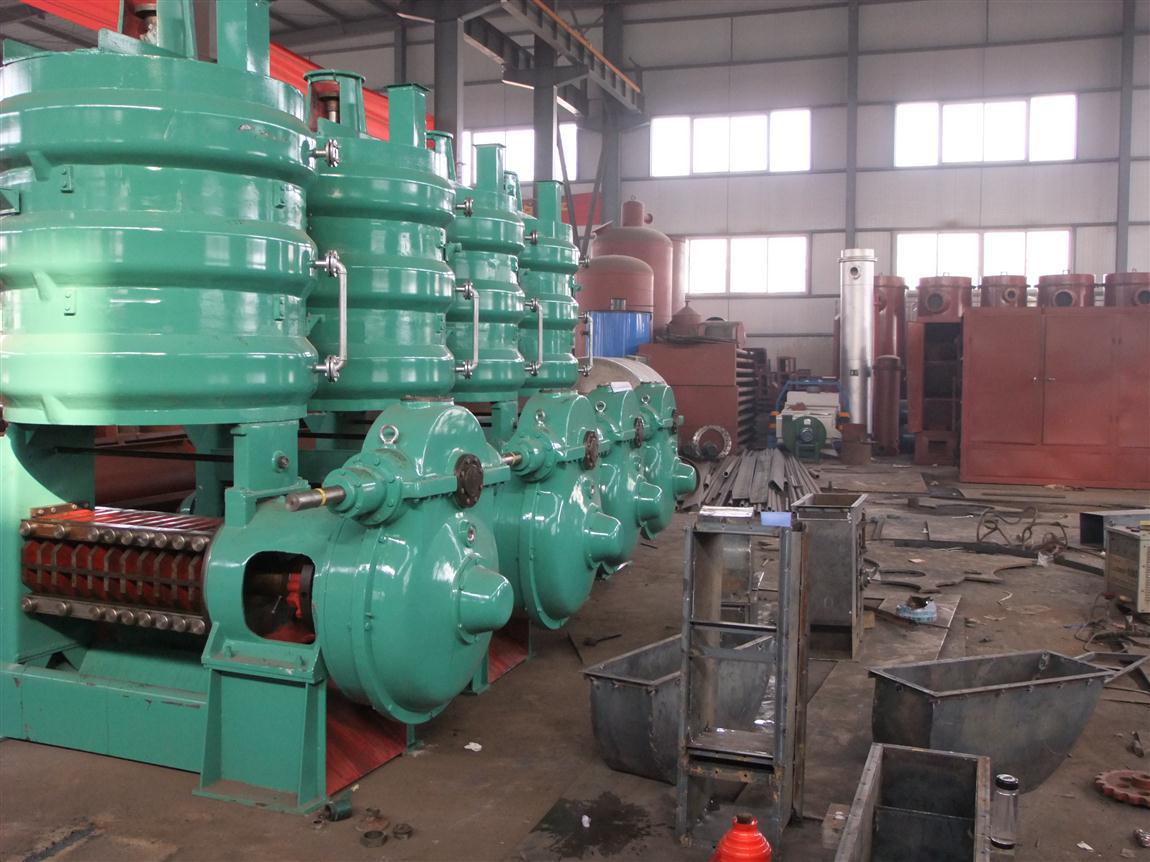
The total quotation price should be separated into identifiable cost components wherever possible. A typical quotation may include the following:
| Cost Component | What It Covers |
|---|---|
| Process Equipment | Main machines used for oilseed or oil processing |
| Auxiliary Equipment | Pumps, tanks, conveyors, heat exchangers, and related equipment |
| Automation | PLC, HMI, sensors, control cabinets, and instrumentation |
| Engineering | Process design, plant layout, drawings, and technical documents |
| Installation | Mechanical and electrical installation, depending on scope |
| Commissioning | Testing, startup, production commissioning, and training |
| Utilities | Steam, electricity, cooling, water, fuel, and related systems |
| Spare Parts | Initial commissioning parts and recommended operating spares |
| Packaging and Delivery | Equipment packing, transportation, and shipping arrangements |
| Optional Equipment | Additional processing or storage systems required by the project |
Not every quotation includes all of these components. The buyer should therefore request a clear commercial scope instead of assuming that a quoted “complete plant” includes every project cost.
The first requirement in an oil processing plant quotation is a clearly defined processing basis.
Capacity should normally be expressed in TPD or TPH and linked to the specific raw material. For example, a quotation may be based on:
The quotation should also state whether the capacity refers to raw material input, processing throughput, or final oil output.
This distinction matters because 100 TPD of raw material is not equivalent to 100 TPD of refined oil production. Without a defined capacity basis, buyers may compare two quotations that are technically different while assuming they are equivalent.
A quotation should clearly identify:
Raw material characteristics can also affect equipment configuration. A plant designed for one oilseed may require different pretreatment equipment from a multi-oilseed processing line.
A quotation should provide an itemized equipment schedule rather than simply stating “complete oil processing line.”
The buyer should be able to identify the main equipment in each processing section and understand its function.
Depending on the project, an oil processing equipment quotation may include:
The quotation should connect each major machine with its model, capacity, quantity, power, material, and relevant operating parameters.
A useful structure is:
This makes it possible to determine whether two quoted machines are genuinely comparable instead of comparing equipment names alone.
Equipment cannot be evaluated separately from the process design.
The quotation should identify which processing stages are included. Depending on the raw material and project objective, the scope may include:
However, a quotation may cover only selected sections.
For example, one supplier may quote a pressing line, while another may provide pretreatment, solvent extraction, solvent recovery, and additional downstream systems. Their total prices should not be compared directly until the scope has been standardized.
The quotation should therefore define:
This is a key oil processing plant quotation requirement because the processing scope directly affects equipment configuration and the actual project cost.
The term “complete plant” can mean different things to different suppliers. Buyers should confirm the actual scope.
| Supply Type | Equipment | Engineering | Installation | Commissioning |
|---|---|---|---|---|
| Individual Equipment | Included | Limited | Usually excluded | Usually excluded |
| Production Line | Included | Usually included | Depends on quotation | Depends on quotation |
| Complete Plant | Included | Included | Depends on quotation | Usually included |
| Turnkey Project | Included | Included | Included | Included |
The commercial quotation should state which category applies to the proposed project.
A quotation for a complete plant should also define the systems required to operate the processing equipment.
The quotation should state whether it includes:
The buyer should distinguish between supplying control equipment and providing complete electrical installation and commissioning.
Depending on the technology, the quotation should identify requirements for:
It should be clear which utility equipment is supplied by the vendor and which infrastructure must be provided by the buyer.
For example, a quotation may include the processing machinery but exclude the boiler, transformer, cooling system, or water treatment equipment. These exclusions can materially change the actual project requirement.
Engineering scope may include:
For a complete plant, these documents help define how individual equipment items connect into one operating system.
For a major oil processing project, the quotation should ideally be supported by technical documents that allow the buyer to evaluate the proposed configuration.
Depending on project scope, these may include:
The exact document package depends on the project stage. A preliminary budgetary quotation may contain less engineering information than a final commercial quotation.
The quotation should clearly define the supplier’s responsibility after the equipment is delivered. Terms such as “installation support” or “commissioning included” are not specific enough unless the actual service scope is stated.
The buyer should check whether the quotation includes:
For example, installation supervision is different from complete installation. Likewise, production commissioning involves more than simply checking whether individual machines can start.
Spare parts should also be identified separately. A quotation may include:
The quantity and price of important spare parts should be stated where possible. This is particularly relevant for continuously operating equipment such as presses, pumps, conveyors, filters, valves, and extraction-related machinery.
Not every quotation is prepared for the same stage of a project.
A budgetary quotation is normally used during the early planning stage. It can help the buyer estimate:
At this stage, some technical details, installation costs, utility systems, or final equipment selections may still require confirmation.
A final quotation should normally be based on a more clearly defined technical scope. It should provide enough information for the buyer to evaluate the equipment, services, commercial terms, and responsibilities before purchase.
The buyer should therefore confirm whether a supplier's document is a budgetary quotation, preliminary offer, or final commercial quotation before using it to compare project prices.
One of the most important parts of an oil processing plant quotation is the definition of the supply boundary.
A buyer should not assume that a quotation for a “complete plant” includes every item required for production. The quotation should clearly separate included items, excluded items, and optional equipment.
Depending on the project, these may include:
Potential exclusions may include:
The exact boundary varies by project, so buyers should evaluate the actual quotation rather than assume a standard scope.
Some equipment depends on raw material characteristics or the required product specification. Examples include:
Optional equipment should be clearly identified as either included in the base quotation, available at additional cost, recommended for specific raw materials, or required only under particular process conditions.
This prevents optional equipment from being confused with equipment that is essential to achieve the quoted capacity.
When comparing an oil mill plant quotation, buyers should first make the technical scope equivalent and only then compare prices.
A practical comparison sequence is:
Confirm that the quoted capacity is based on the same raw material and production basis.
Check whether both quotations cover the same processing stages. A pressing-only line should not be compared directly with a quotation covering pretreatment, extraction, and downstream processing.
Compare the main equipment according to:
Check whether engineering, installation, commissioning, training, and technical support are included.
List every major item that the buyer must purchase or arrange separately.
Finally compare:
The correct question is therefore not:
“Which quotation has the lower price?”
It is:
“Which quotation provides the required production scope with equivalent technical and service conditions?”
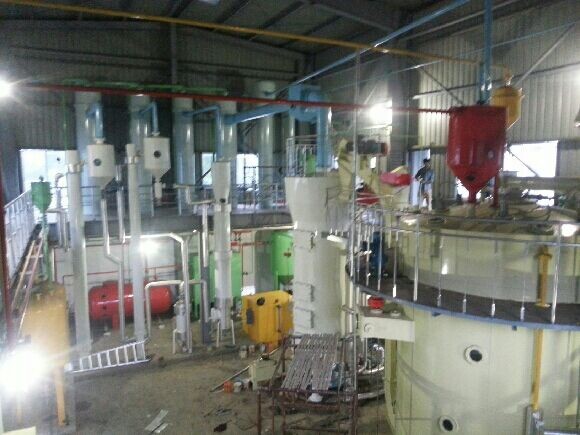
Two suppliers can quote the same nominal capacity while offering substantially different prices because capacity alone does not define the complete plant.
The main reasons include:
Therefore, the same TPD figure does not automatically mean two quotations describe the same plant.
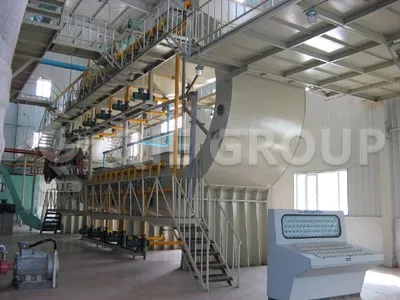
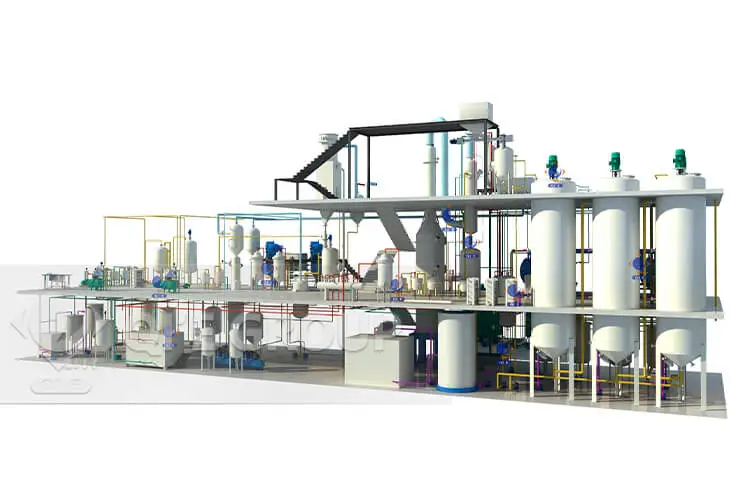
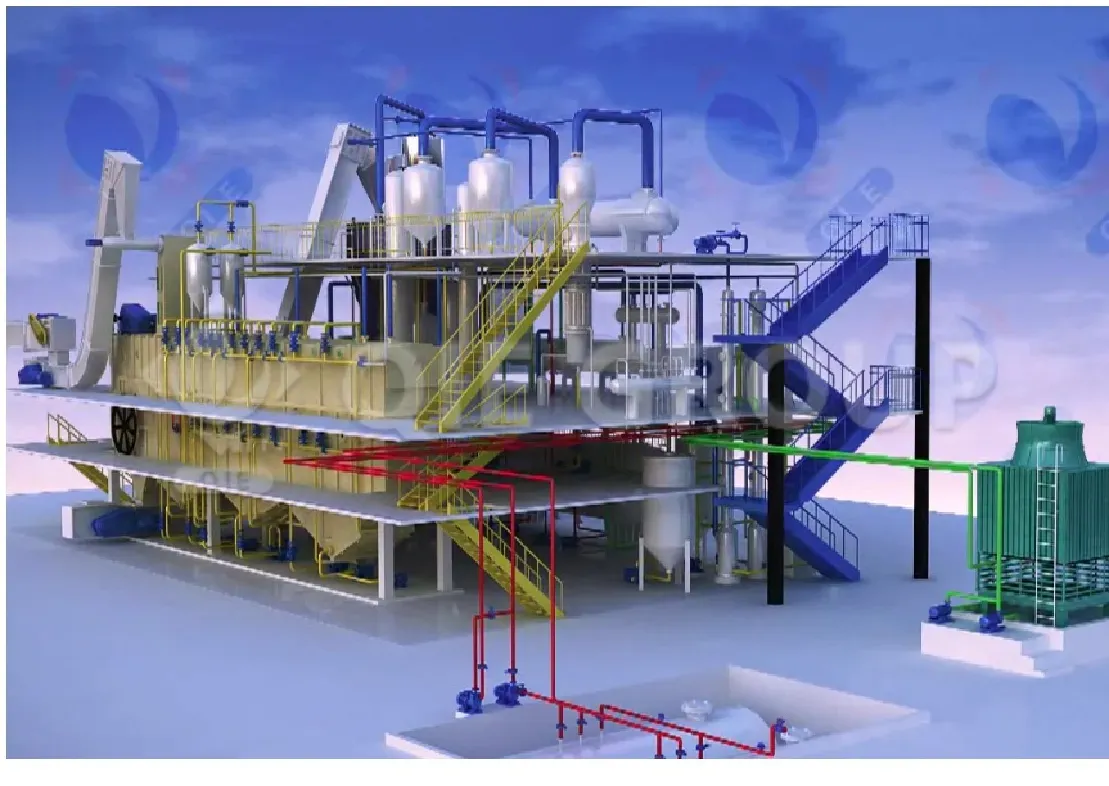
A 150TPD cottonseed cake extraction and refining project illustrates why the supply scope matters. The project includes a 150TPD cottonseed cake solvent extraction line, crude cottonseed oil refining, solvent recovery, steam and heat systems, and automated control.
The process starts with cottonseed cake preparation and pre-pressing, followed by solvent extraction. The extracted material then passes through wet meal desolventizing and drying, while the mixed oil goes through evaporation and solvent recovery before entering the refining section.
For a project with this configuration, a quotation that lists only “150TPD extraction plant” would not provide enough information for technical comparison. The buyer needs to know whether refining, solvent recovery, heat systems, automation, and other supporting equipment are included.
This example shows why an oil processing plant quotation should be evaluated by its complete supply boundary rather than by the headline capacity or price alone.
A second 150TPD project demonstrates why raw material changes the quotation scope.
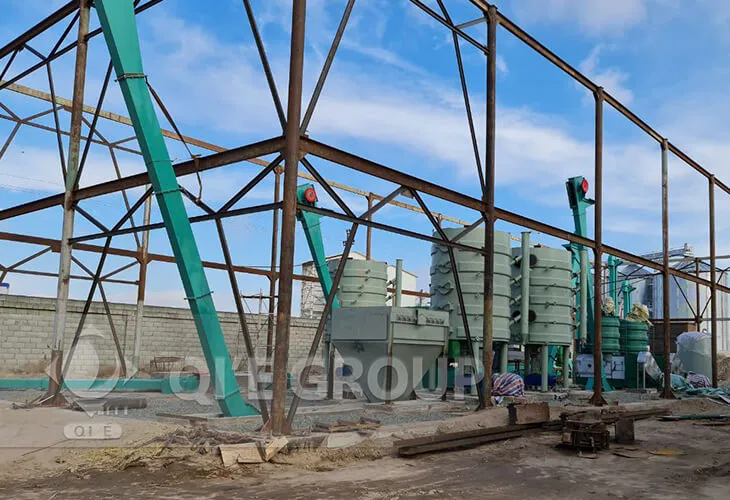
The Pakistan project is a 150TPD soybean, sunflower seed, and rapeseed pretreatment and solvent extraction line. It includes a 150TPD pretreatment system, 150TPD solvent extraction line, solvent recovery, wet meal desolventizing and drying, and automated control.
The line is designed to process multiple oilseeds, with pretreatment adjusted according to the physical characteristics of the raw material. The documented pretreatment stages include cleaning, crushing, conditioning, flaking, cooking, and pressing before solvent extraction.
This means two quotations can both state 150TPD while requiring different equipment configurations.
For a multi-oilseed project, the buyer should therefore check whether the quoted oil processing equipment quotation actually covers the required pretreatment configuration for each feedstock.
This is also why the raw material should be defined before requesting a quotation. Capacity without feedstock information does not provide enough technical information for an equivalent comparison.
A supplier can prepare a more useful quotation when the buyer provides sufficient project information.
Before sending an RFQ, buyers should define, where possible:
For multi-oilseed projects, the buyer should identify each intended feedstock because pretreatment and processing configurations may vary.
A clear RFQ helps suppliers prepare quotations that can be compared on the same technical basis.
Once quotations are received, buyers can use a standardized comparison structure.
| Item | Supplier A | Supplier B |
|---|---|---|
| Raw Material | ||
| Capacity | ||
| Process Scope | ||
| Main Equipment | ||
| Automation | ||
| Utility Requirements | ||
| Engineering | ||
| Installation | ||
| Commissioning | ||
| Spare Parts | ||
| Exclusions | ||
| Delivery | ||
| Warranty | ||
| Payment Terms | ||
| Incoterms | ||
| Total Price |
This approach helps prevent a low headline price from appearing attractive simply because important equipment, services, or project costs have been excluded.
Several issues can make an oil processing quotation difficult to evaluate.
A single price does not show what equipment or services are included.
Better approach: Request an itemized equipment list with specifications and quantities.
“100 TPD” or “150 TPD” is insufficient if the quotation does not state what the capacity represents.
Better approach: Confirm the raw material, capacity basis, and applicable process section.
A supplier may use “complete line” to describe a narrower supply scope than another supplier.
Better approach: Request a detailed scope of supply and equipment schedule.
Steam, electricity, water, cooling, fuel, or compressed air may be outside the quoted equipment scope.
Better approach: Request utility consumption requirements and identify who supplies each utility system.
“Installation support” may mean supervision rather than complete installation.
Better approach: Confirm the exact installation, testing, commissioning, and training responsibilities.
A pressing line, extraction line, and complete processing plant can have very different equipment requirements.
Better approach: Compare quotations against the same process flow and technical specification.
A quotation without clear payment, delivery, warranty, validity, or Incoterm information may not provide a reliable basis for final price comparison.
Better approach: Request complete commercial terms before making a final supplier comparison.
Before selecting a supplier, the buyer should verify the following:
If major information is missing from these areas, the quotation may not provide enough information for a reliable technical comparison.
An oil processing plant quotation should include raw material, capacity, process scope, equipment, technical specifications, automation, utilities, engineering, installation, commissioning, spare parts, delivery, warranty, payment terms, and clearly defined inclusions and exclusions.
Buyers should provide the raw material, required capacity, target products, processing technology where known, project location, available utilities, and required engineering, installation, and commissioning scope.
Not necessarily. Installation may be included, offered as supervision, or excluded entirely. The quotation should clearly define whether mechanical installation, electrical installation, piping, testing, and commissioning are included.
It depends on the quotation. The supplier should clearly state whether TPD or TPH refers to raw material input, processing throughput, a specific processing section, or final product output.
Different prices can result from differences in raw material, processing technology, equipment configuration, automation, engineering scope, utilities, installation, services, and commercial terms.
A production line quotation may cover the processing equipment and selected engineering or services. A turnkey quotation generally defines a broader project responsibility, potentially including engineering, equipment supply, installation, commissioning, and startup support.
No. Buyers should first standardize raw material, capacity, process scope, equipment configuration, services, exclusions, and commercial conditions. Price should be compared only after the technical scope is equivalent.
A budgetary quotation is generally used for preliminary project planning and investment estimation. A final commercial quotation should be based on a more clearly defined technical and commercial scope and be suitable for detailed supplier evaluation.
An oil processing plant quotation should be evaluated as a complete technical and commercial document rather than as a single equipment price.
The most useful comparison sequence is:
The two 150TPD projects illustrate why this approach matters. The cottonseed cake project combines solvent extraction, refining, solvent recovery, heat systems, and automation, while the Pakistan project requires a flexible pretreatment and extraction configuration for soybean, sunflower seed, and rapeseed.
Therefore, a lower quotation should not automatically be considered the better offer. The more useful question is whether the quoted equipment, process, services, exclusions, and commercial conditions match the actual production requirement on an equivalent basis.
Get a detailed, customized technical and commercial proposal tailored to your specific raw material, capacity, and processing requirements.
Request a Custom Quotation 2026 Edible Oil Production Line 2026 Edible Oil Production Line machine list 2026 Edible Oil Production Line latest price 2026 Edible Oil Production Line machine latest price
Turnkey Sunflower Oil Plant Turkey 2026 Sunflower Oil Production Line Price Automatic Sunflower Oil Extraction Machine 50TPD Refined Sunflower Oil Refinery Manufacturers in Turkey
Soybean Oil Processing Plant EPC Turnkey Solutions for Soybean Oil Production How to Convert Soybeans into Edible Oil Process Industrial Soybean Oil Extraction Plant Cost and Design
lifespan of soybean oil production line Average service life of edible oil refineries Factors affecting the mechanical durability of soybean oil extraction Maintenance techniques to extend the operating time of soybean oil plants
Cost of a Sesame Oil Process Plant in Tanzania Sesame Oil Process Plant in Tanzania How to Start a Sesame Oil Process Business in Tanzania Sesame Oil Production Line Equipment in Tanzania
2026 Edible Oil Production Line 2026 Edible Oil Production Line machine list 2026 Edible Oil Production Line latest price 2026 Edible Oil Production Line machine latest price
Turnkey Sunflower Oil Plant Turkey 2026 Sunflower Oil Production Line Price Automatic Sunflower Oil Extraction Machine 50TPD Refined Sunflower Oil Refinery Manufacturers in Turkey
Soybean Oil Processing Plant EPC Turnkey Solutions for Soybean Oil Production How to Convert Soybeans into Edible Oil Process Industrial Soybean Oil Extraction Plant Cost and Design
lifespan of soybean oil production line Average service life of edible oil refineries Factors affecting the mechanical durability of soybean oil extraction Maintenance techniques to extend the operating time of soybean oil plants
Cost of a Sesame Oil Process Plant in Tanzania Sesame Oil Process Plant in Tanzania How to Start a Sesame Oil Process Business in Tanzania Sesame Oil Production Line Equipment in Tanzania


.png?x-oss-process=image/resize,h_100,m_lfit/format,webp)
.png?x-oss-process=image/resize,h_100,m_lfit/format,webp)
.png?x-oss-process=image/resize,h_100,m_lfit/format,webp)