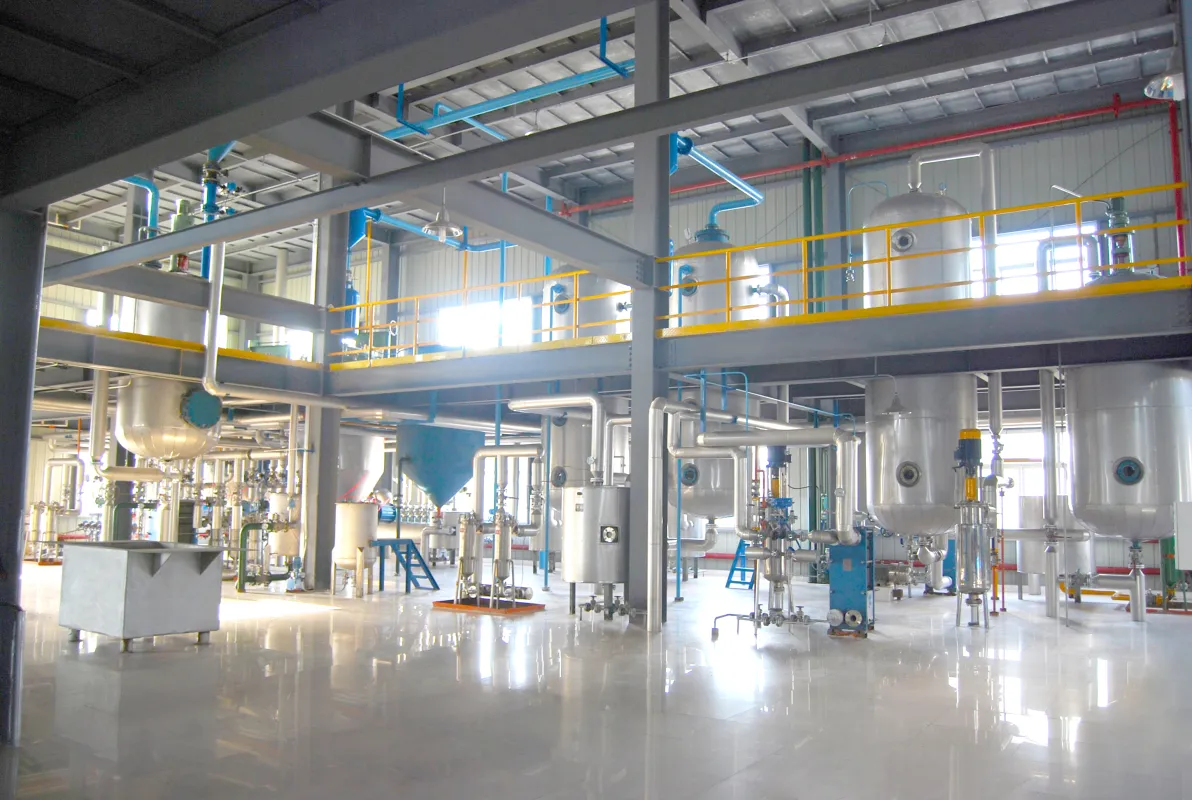
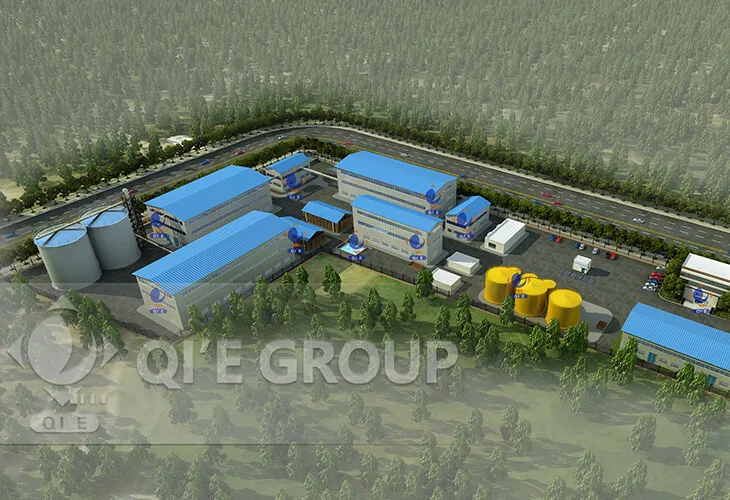
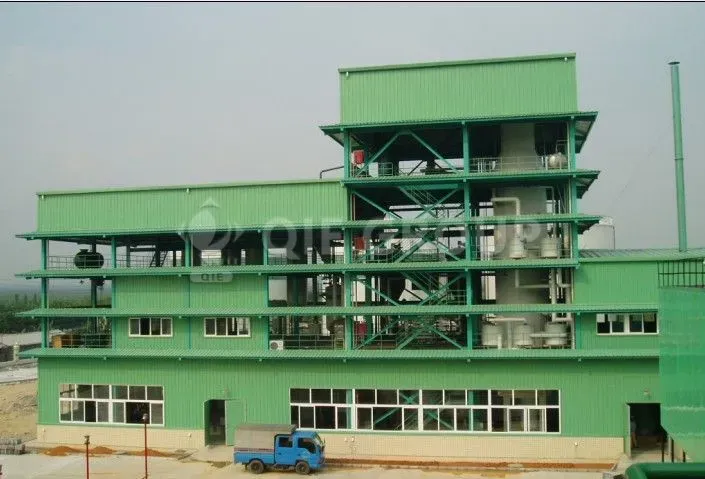
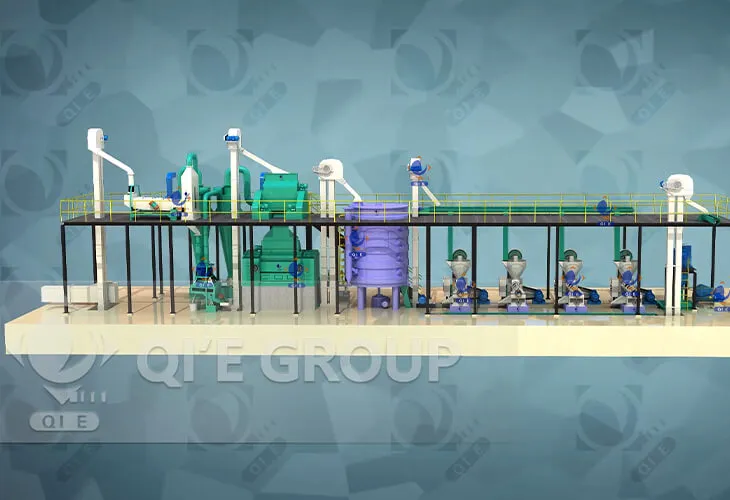
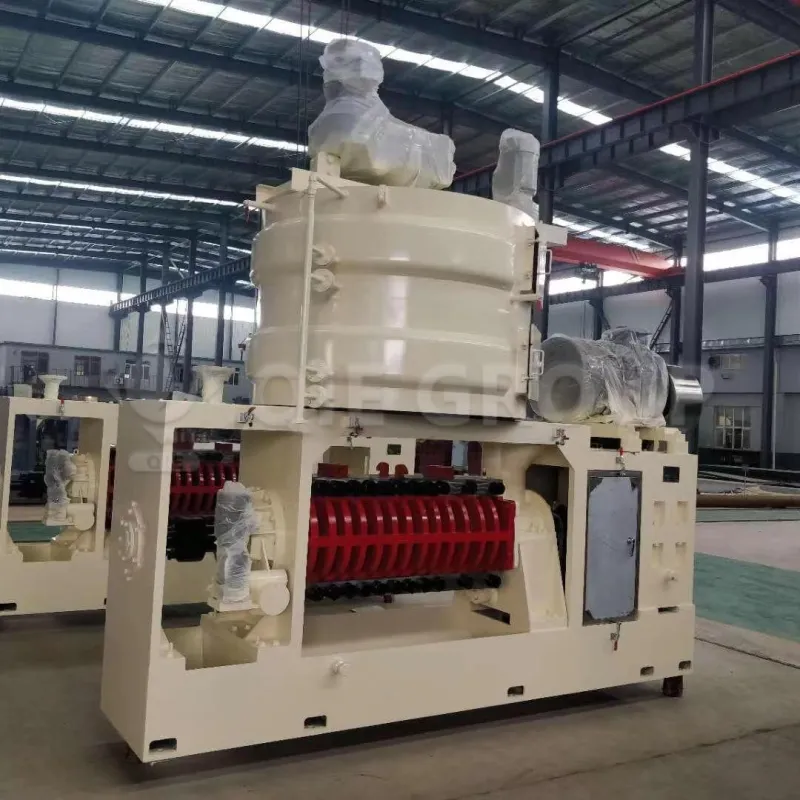
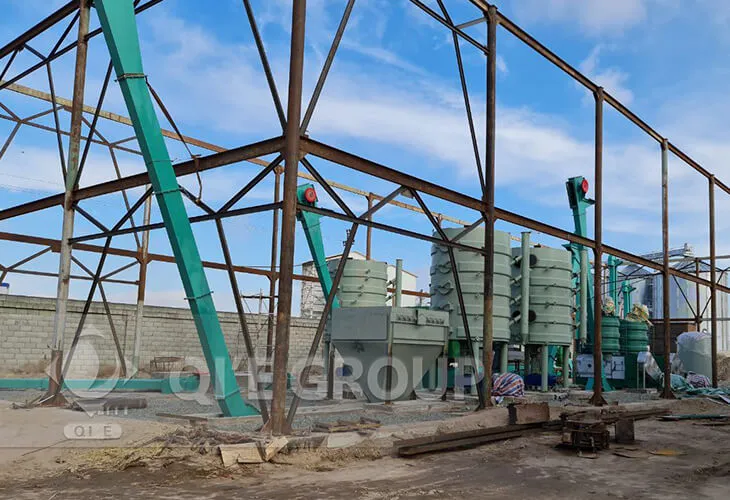
An oil mill fails to reach its designed capacity mainly because the actual production conditions are different from the assumptions used during plant design. The most common reasons include equipment capacity mismatch, process bottlenecks, unstable raw material conditions, incorrect operating parameters, and low equipment utilization.
In a properly designed oil processing plant, every section should work together to achieve the expected throughput. However, the real oil mill capacity is often limited by the weakest process section. A high-capacity pressing machine cannot increase output if the pretreatment system cannot provide enough conditioned material. Similarly, an efficient extraction system cannot achieve its target production rate if feeding, conveying, or process control is unstable.
Therefore, improving oil mill production capacity requires a complete analysis of equipment configuration, production flow, operating parameters, and bottleneck points instead of simply replacing individual machines.
One of the primary reasons an oil mill cannot achieve designed capacity is that individual equipment units are not properly matched within the complete production system.
An oil processing plant is an integrated system that includes:
The production capacity of the entire plant depends on how well these sections operate together.
For example:
This means that the rated capacity of a single machine does not represent the actual oil processing plant capacity.
Before upgrading equipment, plant owners should analyze actual operating data.
The following indicators usually show a capacity mismatch:
| Indicator | Possible Problem |
|---|---|
| One machine operates continuously at maximum load | This section may be the production bottleneck |
| Downstream equipment frequently waits for material | Upstream capacity is insufficient |
| Production output remains low despite available machine capacity | Process balance problem |
| Frequent overload alarms | Equipment configuration may not match operating conditions |
A proper engineering evaluation should compare:
This analysis helps determine whether the problem requires equipment upgrading or simply process optimization.
In many oil mills, the installed equipment is capable of reaching the target output, but production remains below design capacity because one or more process sections restrict the entire line.
A production bottleneck occurs when one stage cannot handle the material flow required by other sections.
Common bottleneck areas include:
The pretreatment section has a direct impact on the performance of pressing and extraction equipment.
Problems such as:
can reduce oil release efficiency and lower the stable feeding rate.
For example, in soybean oil processing, proper flaking and conditioning improve oil accessibility during extraction. If flakes are too thick or moisture conditions are unstable, the extraction process may require longer residence time, reducing overall throughput.
Therefore, pretreatment optimization is often an important step in oil mill capacity optimization.
For mechanical oil mills, the pressing section is usually one of the most critical capacity control points.
Production losses may occur because of:
A screw press does not operate only according to its nameplate capacity. Its actual throughput depends on whether the incoming material meets the required processing conditions.
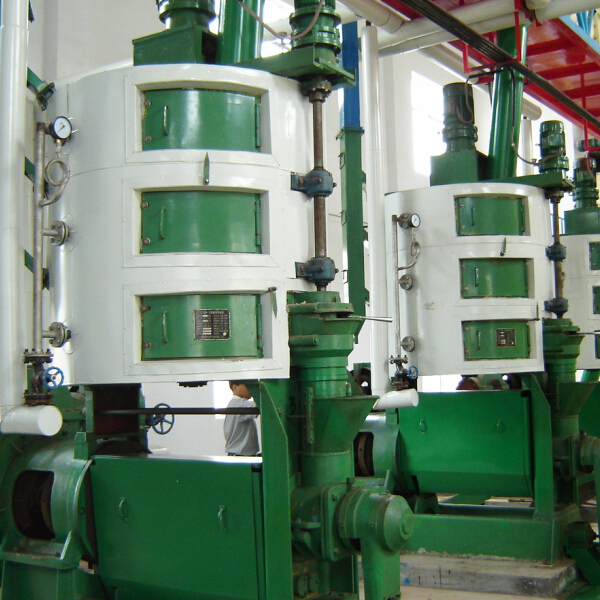
When pressing performance decreases, the results usually include:
Before deciding how to increase oil mill capacity, plant owners should first identify where the production loss occurs. A capacity problem is not always caused by insufficient equipment size. In many cases, the production line has enough theoretical capacity, but unstable operation, process limitations, or poor equipment utilization prevent the plant from reaching its designed output.
A professional capacity evaluation should compare the difference between:
This approach helps determine whether the solution requires equipment modification, process adjustment, or operational improvement.
The following indicators can help identify why an oil mill operates below its designed capacity:
| Evaluation Area | What to Check | Possible Capacity Problem |
|---|---|---|
| Raw material feeding | Stability and hourly feeding rate | Uneven supply limits production |
| Pretreatment section | Conditioning, crushing, flaking performance | Poor preparation reduces processing efficiency |
| Pressing/extraction section | Machine load and output rate | Main production bottleneck |
| Conveying system | Material transfer speed | Flow interruption between sections |
| Equipment utilization | Running time versus available time | Low effective production hours |
| Oil recovery | Residual oil loss | Process efficiency problem |
This type of analysis is important because increasing capacity is not simply a matter of installing larger equipment. The limiting factor must be identified before making technical decisions.
A well-designed oil mill should maintain relatively stable material flow during normal operation.
If output fluctuates frequently, possible reasons include:
For example, if the pressing machine frequently runs below its rated load because the pretreatment system cannot provide enough conditioned material, increasing press capacity will not solve the problem.
The actual issue is upstream process limitation.
Theoretical capacity and actual production capacity are different.
A machine may be designed for a certain throughput, but the plant may operate below that level because of:
A useful engineering indicator is equipment utilization:
Equipment Utilization = Actual Operating Time ÷ Available Production Time
Low utilization means the plant has unused production potential.
Improving utilization is often one of the fastest ways to increase oil mill production capacity without major equipment replacement.
A plant may process the expected amount of raw material but still fail to achieve economic production targets because of excessive losses.
Important indicators include:
For mechanical pressing systems, excessive residual oil often indicates:
For solvent extraction systems, high residual oil may indicate:
These issues reduce the effective value generated from the same processing capacity.
An oil mill should be analyzed as a complete processing system. Capacity loss usually occurs at several critical points.
During plant design, engineers normally calculate capacity based on specific raw material characteristics.
These include:
However, actual raw materials may vary significantly.
For example:
When raw material conditions differ from design assumptions, the plant may not achieve the original capacity target.
Therefore, capacity evaluation should always consider both equipment capability and raw material characteristics.
Many oil mills have sufficient equipment capacity but operate below design output because key process parameters are not properly controlled.
Important parameters include:
Moisture affects:
Incorrect moisture levels may cause:
Temperature influences oil separation efficiency.
Incorrect temperature conditions may lead to:
Continuous feeding is essential for stable production.
Unstable feeding can cause:
Therefore, process control is a key factor in maintaining designed oil mill capacity.
Another overlooked reason for low production capacity is inefficient plant layout.
Even when individual machines meet design requirements, poor material flow can reduce overall output.
Common layout problems include:
A good oil mill design should ensure:
A bottleneck in material handling can reduce the capacity of the entire production system.

Improving oil mill capacity requires identifying the actual production limitation before making any modification. In most cases, capacity problems are caused by system imbalance rather than a single equipment failure.
A practical improvement strategy should follow three steps:
This approach helps plant owners increase output while avoiding unnecessary equipment investment.
The first step in improving oil mill production capacity is ensuring that all processing sections have balanced capacity.
An oil mill operates as a connected system. The capacity of the complete plant is determined by the section with the lowest effective throughput.
For example:
Therefore, capacity improvement should focus on:
During plant design or upgrading, engineers should evaluate not only machine specifications but also the relationship between each production section.
Many oil mills can increase production capacity through process optimization without replacing the complete production line.
The most common improvement areas include:
Better preparation improves downstream processing efficiency.
Optimization measures include:
A properly prepared raw material improves:
For example, in oilseed processing plants, poor conditioning may reduce oil release efficiency even when the pressing equipment has sufficient mechanical capacity.
The pressing and extraction sections usually have a significant influence on final production capacity.
Possible improvements include:
Mechanical Pressing
Solvent Extraction
These adjustments can improve processing efficiency and reduce production losses.
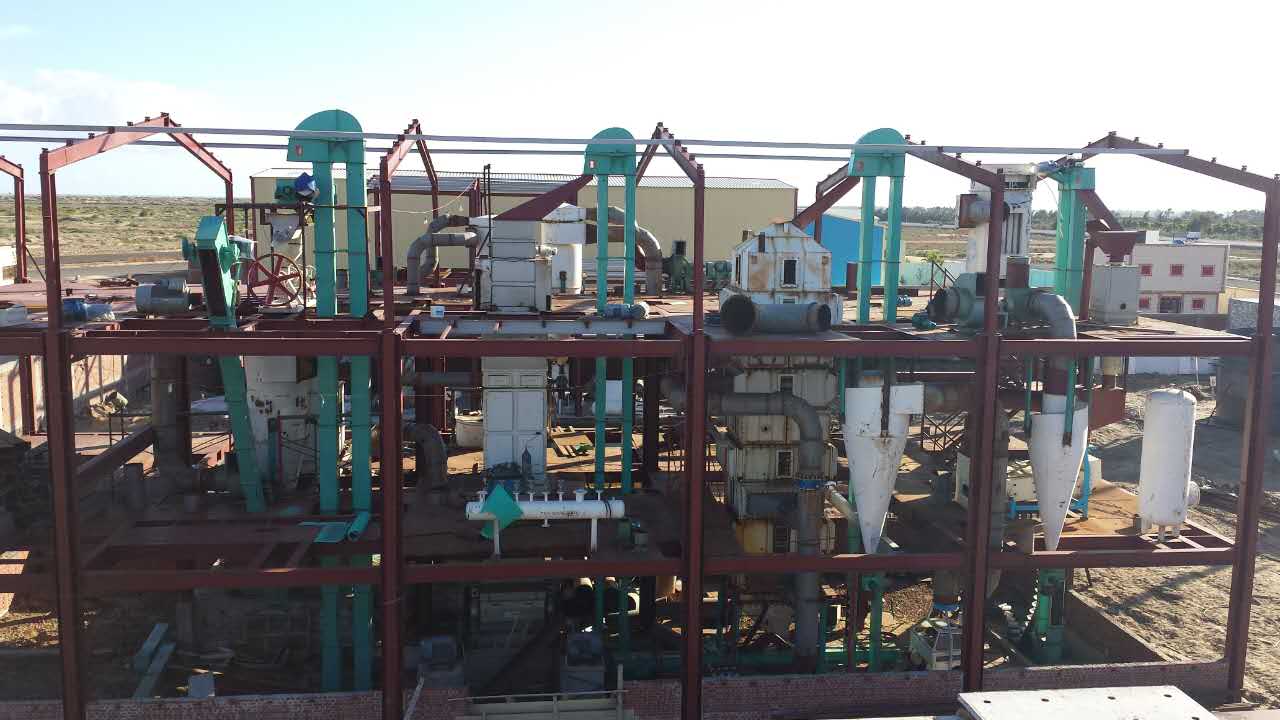
When an existing oil mill continuously operates below designed capacity, a bottleneck analysis should be performed before expanding the plant.
A typical engineering evaluation includes:
Step 1: Measure Actual Production Performance
Collect operating data such as:
Step 2: Locate the Capacity Limiting Section
Typical bottlenecks include:
| Section | Possible Limitation |
|---|---|
| Pretreatment | Insufficient preparation capacity |
| Pressing | Low throughput or unstable operation |
| Extraction | Limited extraction efficiency |
| Conveying | Material transfer restriction |
| Refining | Processing imbalance |
Step 3: Apply the Correct Improvement Method
Possible solutions include:
The goal is not simply to increase individual machine capacity, but to improve the performance of the complete oil processing plant capacity.
Automation plays an important role in maintaining stable production performance.
A modern control system can monitor:
Stable process control helps reduce:
For large oil mills, automation improves equipment utilization by allowing operators to maintain production parameters closer to the designed operating range.
However, automation cannot solve fundamental design problems. If the equipment configuration is insufficient, process control alone cannot achieve the target capacity.
For investors planning a new oil mill, reaching designed capacity depends heavily on correct engineering decisions during the initial design stage.
Important considerations include:
Engineers should evaluate:
The design should ensure:
A flexible design allows future capacity increases through:
Proper capacity planning reduces the risk of operating below the expected production level.
A larger machine does not guarantee higher plant output.
If another section becomes the bottleneck, the additional capacity cannot be utilized.
For example:
A larger screw press cannot increase production if the material preparation system cannot provide sufficient feed.
The correct approach is to identify the limiting section first.
Designed capacity represents performance under specific engineering conditions.
Actual production depends on:
Therefore, plant owners should evaluate actual operating conditions when planning capacity improvements.
Many capacity problems can be solved through targeted optimization.
Before investing in a completely new production line, it is important to evaluate:
A focused engineering solution is often more practical than replacing the entire system.
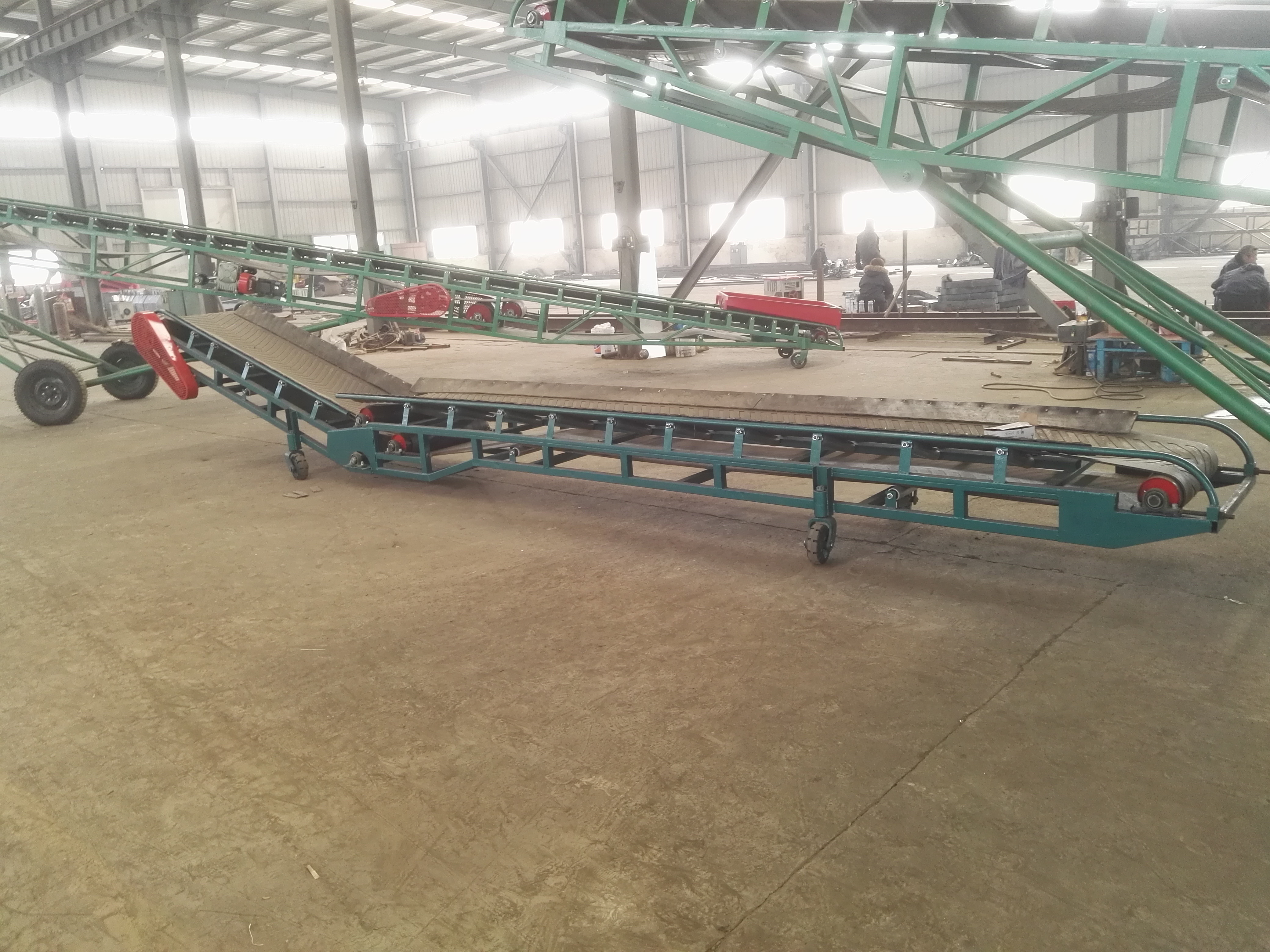
An oil mill reaches its designed capacity only when equipment selection, process design, raw material conditions, and operating management work together. Capacity problems should be solved through engineering analysis rather than simply increasing machine size.
For existing plants, the most effective approach is to identify the production bottleneck first and then apply targeted improvements. For new projects, accurate capacity planning during the design stage is the key factor in avoiding future production limitations.
When an oil mill operates below its designed capacity, the first step is not replacing equipment but identifying where capacity is lost.
A complete evaluation should include:
The purpose of this analysis is to answer three important questions:
This approach prevents unnecessary upgrades and ensures that investment directly improves the actual production limitation.
The most important principle in oil mill capacity optimization is that the complete production line determines output.
A plant cannot reach designed capacity if one critical section restricts material flow.
For example:
Therefore, capacity improvement should always follow the production flow:
Raw Material → Preparation → Processing → Oil Separation → Filtration/Refining → Final Product
Every section must maintain a balanced processing rate.
Many oil mills have sufficient installed capacity but operate below their potential because equipment utilization is low.
Improving utilization requires:
A machine running at its rated capacity for a shorter time may produce less output than a slightly lower-capacity machine operating continuously.
Therefore, increasing effective operating time is an important method for improving actual production capacity.
Different oilseeds require different processing technologies.
The designed capacity of an oil mill depends not only on equipment size but also on whether the selected process matches the raw material.
Important factors include:
For example:
Selecting the correct technology during the engineering stage reduces the risk of future capacity loss.
An oil mill usually fails to reach its designed capacity because the actual production conditions do not fully match the original design assumptions. The main causes are equipment mismatch, production bottlenecks, unstable raw materials, incorrect process parameters, and insufficient equipment utilization.
The solution is not simply installing larger machines. A successful capacity improvement strategy requires:
For both new oil processing projects and existing plants, accurate capacity analysis is essential to achieve reliable production performance and long-term profitability.
An oil mill fails to reach designed capacity mainly because the actual operating conditions differ from the original design assumptions. Common causes include equipment mismatch, process bottlenecks, unstable raw materials, poor process control, and low equipment utilization.
The best approach is to identify the production bottleneck first. Capacity can often be improved through process optimization, equipment upgrades, better material handling, and improved automation without replacing the entire production line.
The most common bottlenecks are usually found in raw material preparation, pressing, extraction, or material handling systems. The actual limitation depends on the plant design and operating conditions.
No. A larger machine only increases production if the entire system can support its capacity. If another section becomes the bottleneck, the additional capacity will not be utilized.
Engineers usually analyze:
This data helps determine whether the solution requires optimization or equipment modification.
Written by QIE GROUP Process Engineering Team
QIE GROUP specializes in edible oil processing plant design, equipment manufacturing, installation, and commissioning. The engineering team provides turnkey solutions covering oilseed pretreatment, mechanical pressing, solvent extraction, and oil refining systems.
With experience in different oilseed processing projects, engineers analyze production capacity, equipment matching, process efficiency, and plant optimization to help investors achieve stable and reliable operation.
Designed capacity is not only determined by machine specifications. It represents the expected performance of the entire processing system under specific operating conditions.
When an oil mill cannot reach its designed capacity, the most effective solution is to identify the limiting factor through engineering analysis and optimize the complete production system rather than focusing on a single machine.
 Professional shea butter extraction process
How to improve the production quality of shea butter
Automated shea butter processing plant
Copra Oil Extraction Plant
100 TPD Copra Oil Mill Project in Indonesia
Copra Oil Extraction Line Commissioning Case
Shea butter production line price
Turnkey shea butter processing plant cost 2026
Automatic shea butter extraction machine for sale in West Africa
Small scale vs industrial shea butter production line investment
Residual oil content in rapeseed oil solvent extraction plants
Choosing between cold-pressed rapeseed oil and hot-pressed rapeseed oil
Integrated rapeseed oil processing production line with solvent recovery function
150TPD Multi-Seed Oil Extraction Plant
150TPD Multi-Seed Oil Extraction Plant in Pakistan
150TPD Multi-Seed Oil Extraction Plant Begins Production
Professional shea butter extraction process
How to improve the production quality of shea butter
Automated shea butter processing plant
Copra Oil Extraction Plant
100 TPD Copra Oil Mill Project in Indonesia
Copra Oil Extraction Line Commissioning Case
Shea butter production line price
Turnkey shea butter processing plant cost 2026
Automatic shea butter extraction machine for sale in West Africa
Small scale vs industrial shea butter production line investment
Residual oil content in rapeseed oil solvent extraction plants
Choosing between cold-pressed rapeseed oil and hot-pressed rapeseed oil
Integrated rapeseed oil processing production line with solvent recovery function
150TPD Multi-Seed Oil Extraction Plant
150TPD Multi-Seed Oil Extraction Plant in Pakistan
150TPD Multi-Seed Oil Extraction Plant Begins Production


.png?x-oss-process=image/resize,h_100,m_lfit/format,webp)
.png?x-oss-process=image/resize,h_100,m_lfit/format,webp)
.png?x-oss-process=image/resize,h_100,m_lfit/format,webp)