Home > Products > Rapeseed Oil Production Line

Complete Rapeseed Oil Plant: Pretreatment, Pressing, Extraction & Refining

IMG_20241122_122514.jpg
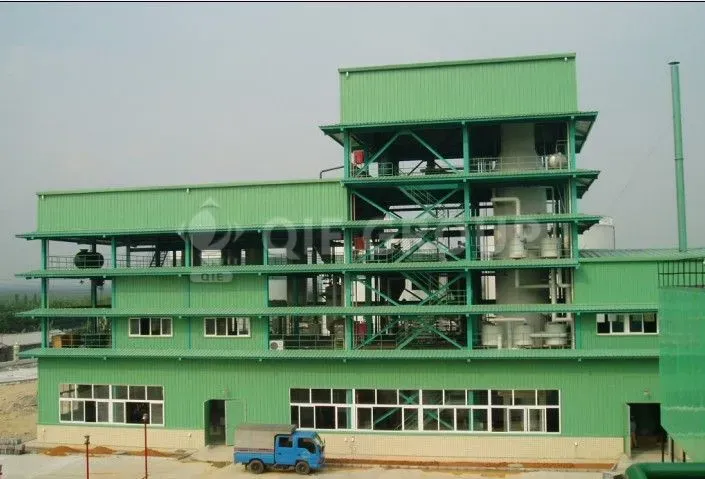
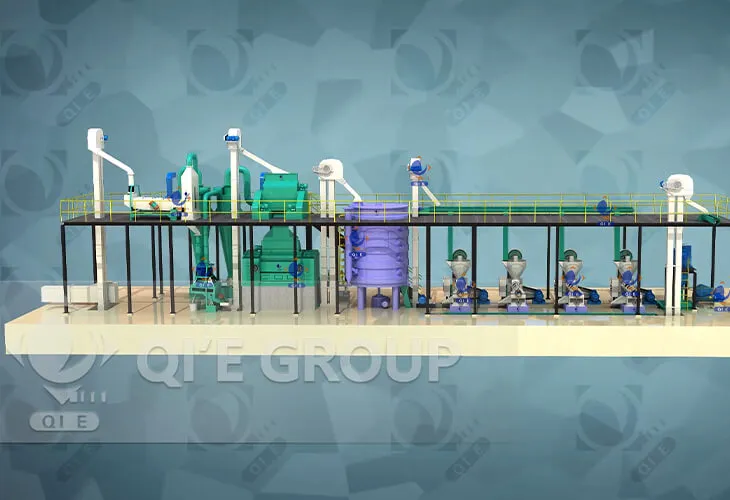
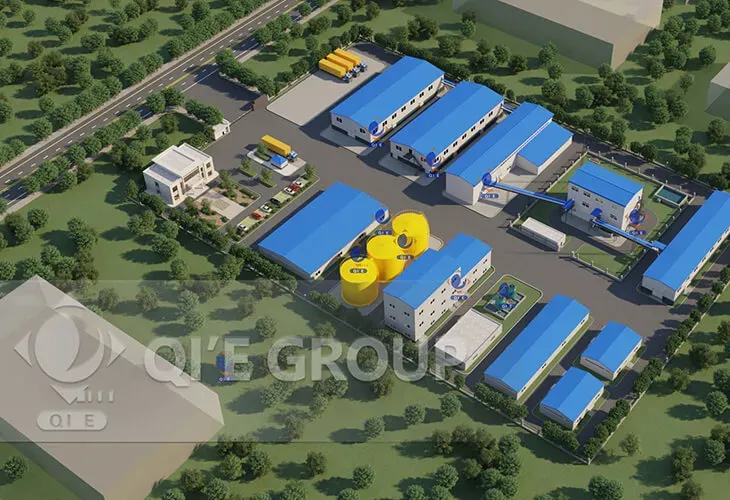
QIE provides a complete rapeseed oil production line covering seed pretreatment, screw pressing, solvent extraction and fully automatic refining. Achieve higher oil yield, low residual oil (≤0.5%) and stable edible oil quality for industrial-scale plants with hot pressing or cold pressing options.

Product Details


1. 🌾 Pretreatment Section

Pretreatment directly impacts oil yield and quality. Core steps include:

  • Cleaning: Removes dirt, stones, metal shavings and other impurities from rapeseed using magnetic separators, vibrating screens and stone removers. Protects downstream equipment, reduces wear and prevents foreign matter contamination.
  • Flaking: Uses roller mills to crush rapeseed into thin flakes, maximizing surface area and completely disrupting oilseed cell structure for easier extraction in subsequent processes.
  • Cooking: A critical step for hot pressing and pre-press solvent extraction processes. Typically uses a stacked cooker for moist cooking. Adjusts moisture and temperature of the flaked material to unlock rapeseed aroma, denature proteins, coagulate oils and prepare the material for optimal pressing conditions.

2. ⚙️ Pressing Process

Pressing methods are classified as hot pressing or cold pressing based on whether cooking is applied:

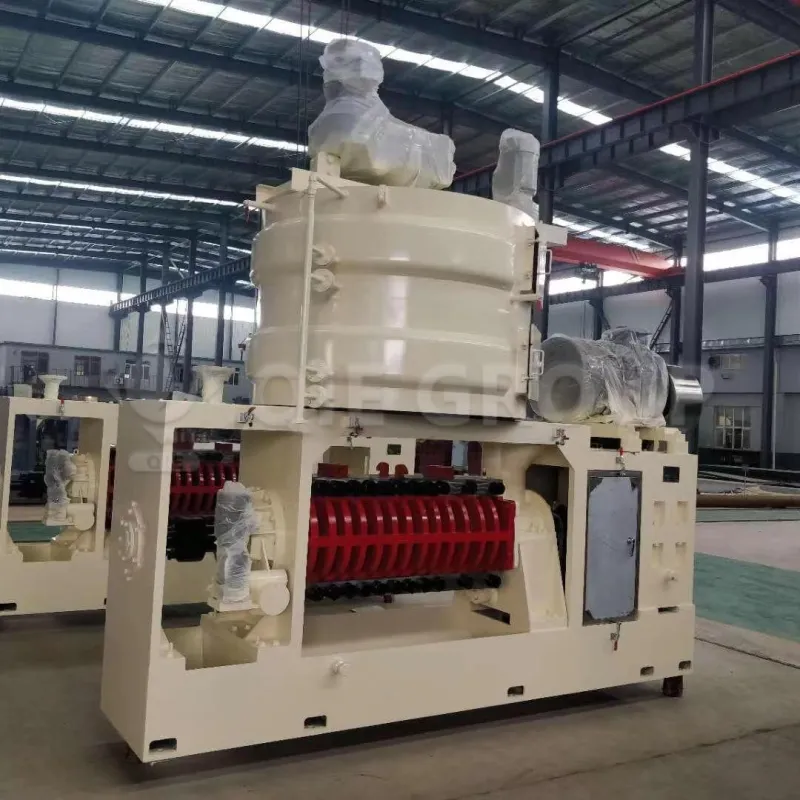
  • Hot Pressing Process: Cooked flakes are fed into a screw press for extraction under high temperature and pressure. Features higher oil yield and rich oil aroma, but high temperatures may cause some nutrient loss.
  • Cold Pressing Process: Cleaned rapeseed is directly pressed by a screw press or dedicated cold press at lower temperatures (e.g., 60-70°C) without heat treatment or only with low-temperature conditioning. Better retains natural nutrients like vitamin E, sterols and polyphenols, producing oil with light color and fresh flavor.
  • Filtration: Crude oil from pressing is filtered using equipment such as plate-and-frame filters to remove solid meal residues.

3. 🔬 Solvent Extraction Process

For maximum oil yield, large-scale production often uses the "pre-press + solvent extraction" method:

  • Pre-Pressing: Cooked flakes are first pre-pressed by a screw press to extract most of the oil, yielding a pre-pressed cake with residual oil content of approximately 12%-18%.
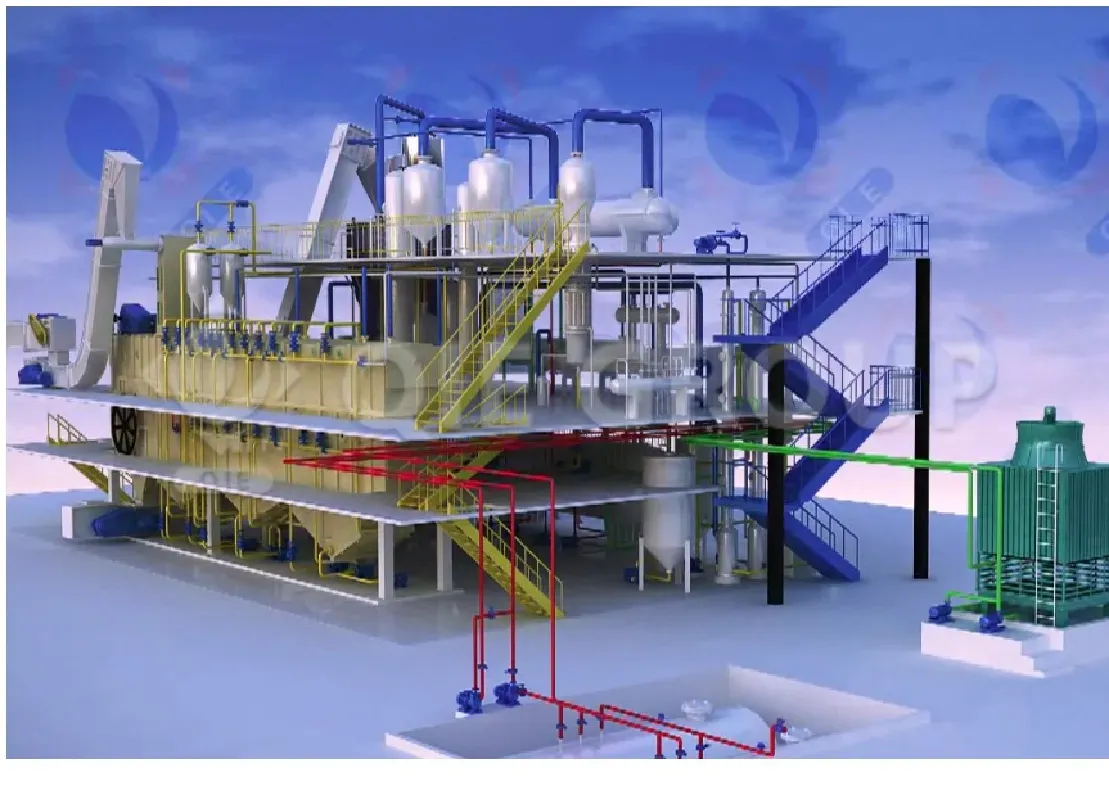
  • Extraction: Pre-pressed cake is fed into extractors (rotary, annular, or drag-chain type) and soaked with solvents like n-hexane to dissolve residual oil.
  • Solvent Recovery: The oil-solvent miscella is heated via evaporators and stripping towers to separate the solvent and obtain crude extracted oil. Solvent vapors are condensed and recycled. Wet meal is desolventized in a DTDC desolventizer to produce finished meal.

Extraction System Technical Parameters:

  • Residual Oil Content: ≤ 0.5% (extremely high extraction rate)
  • Solvent Consumption: ≈ 1.5 kg/t (very low consumption, high economic efficiency)
  • System Recovery Rate: ≥ 99.5% (safe and environmentally friendly)
  • Thermal Energy Efficiency: 10%–15% improvement (energy-saving and cost-reducing)

4. 🧪 Refining Section

Crude oil from pressing or extraction requires refining before consumption. Typical processes include:

  • Degumming: Heated crude oil is treated with water or dilute acid to remove gum-soluble impurities such as phospholipids via hydration or acid refining.
  • Deacidification: Food-grade sodium hydroxide solution is added, or physical distillation is applied, to neutralize and remove free fatty acids.
  • Bleaching: Activated bleaching earth or activated carbon is added in a bleaching tower to adsorb pigments (e.g., chlorophyll), residual soapstock and trace contaminants.
  • Deodorization: Under high temperature (220-240°C) and high vacuum, effectively removes odor-causing substances and peroxides, significantly improving the oil's smoke point and oxidative stability, achieving "zero trans fatty acids" and "zero glycidyl esters" standards.
  • Winterization (Optional): Oil is cooled, crystallized and filtered to remove solid fats, improving clarity and appearance.

🎯 Process Comparison & Selection Guide

Process Type Core Features Product Advantages Application Scenarios
Hot Pressing Process High-temperature cooking, rich aroma Traditional full-bodied flavor Home cooking and catering where flavor is prioritized
Cold Pressing Process Low-temperature pressing, nutrient retention Retains natural nutrients, light color High-end nutritional and healthy oil market
Pre-Press + Solvent Extraction Process High oil yield, cost-effective and efficient Clear cost advantage, large output Large-scale industrial production, mass consumer market
Send us a message

If you wanna to get more details about You can send E-mail to [email protected]. You can consult our professional engineer and specialized sales team with leave a message in below form.We will contact with you ASAP.You also can visit our factory in Henan,China.

Name *
Email *
WhatsApp / Phone number *
Country
Message*

Hot Products

Flaxseed Oil Production Line for Cold Press, Hot Press & Pre-Press Extraction | QIE

1. 🌾 Pretreatment Section

This section is the foundation for ensuring oil yield and quality. It creates critical conditions for subsequent oil extraction through physical processing:

  • Cleaning: Uses vibrating screens, stone removers, and magnetic separators to remove impurities such as sand, stems, leaves, stones, and metal shavings, protecting downstream equipment and ensuring oil purity.
  • (Optional) Crushing: Uses a toothed roller crusher to break flaxseeds into fine particles, increasing surface area for better flaking performance.
  • Flaking: Uses a double-roll flaker to roll flaxseeds into uniform flakes of 0.3-0.5mm, maximizing cell structure disruption to ensure efficient oil release.

2. ⚙️ Oil Extraction Section - Three Flexible Routes

Route A: Cold Pressing Process

  • Core Equipment: Low-temperature screw oil press.
  • Process Principle: Directly presses at low temperature without heat treatment or only with low-temperature (<60°C) conditioning.
  • Product Features: Maximally retains heat-sensitive nutrients such as α-linolenic acid and lignans, with light color and mild flavor. Residual oil in cake is approximately 5%.

Route B: Hot Pressing Process

  • Core Equipment: Layered steam cooker, screw oil press.
  • Process Principle: Uses moist heat treatment (usually 100-120°C) to enhance flaxseed aroma, denature proteins, and coagulate oils before pressing.
  • Product Features: Rich oil aroma with traditional flavor.

Route C: Pre-pressing & Solvent Extraction Process

  • Core Equipment: Layered steam cooker, screw pre-press, extractor (rotary/loop type).
  • Process Principle: The steamed and cooked flakes are first processed by a pre-press to extract most of the oil, yielding a pre-pressed cake with residual oil of approximately 12-18%.
  • Commercial Decision Point: This cake can be sold directly as a high-protein feed ingredient for quick returns.
  • Extraction Option: For maximum oil yield, the pre-pressed cake can be sent to an extractor to recover residual oil using solvent, reducing final residual oil to around 0.5%.

3. 🧪 Refining Section

Pressed or extracted crude oil requires refining to become safe, stable, and standard-compliant edible oil:

  • Degumming: Uses hydration/acid refining combined with a disc centrifuge to remove gum-soluble impurities such as phospholipids and mucilage.
  • Deacidification: Removes free fatty acids and reduces acid value through alkali refining (neutralization) or physical refining (distillation).
  • Bleaching: Adds activated bleaching earth/activated carbon in a vacuum bleaching tower to adsorb pigments and improve oil color.
  • Deodorization: Uses high-temperature, high-vacuum steam distillation to remove off-flavors and peroxides, improving smoke point and oxidative stability.
  • (Optional) Winterization & Dewaxing: Freezes, crystallizes, and filters to prevent sedimentation in finished oil at low temperatures, improving visual clarity.

🎯 Process Comparison & Selection Guide

Process Type Core Features Product Advantages Application Scenarios
Hot Pressing Process High-temperature steaming & cooking, rich aroma Traditional full-bodied flavor Home cooking and catering where flavor is prioritized
Cold Pressing Process Low-temperature pressing, nutrient retention Retains natural nutrients, light color High-end nutritional & healthy oil market
Pre-pressing & Extraction Process High oil yield, cost-effective & efficient Significant cost advantage, large output Large-scale industrial production, mass consumer market
Product Parameters
Product Details
Service Guarantee