Home > Products > Corn germ oil production line equipment

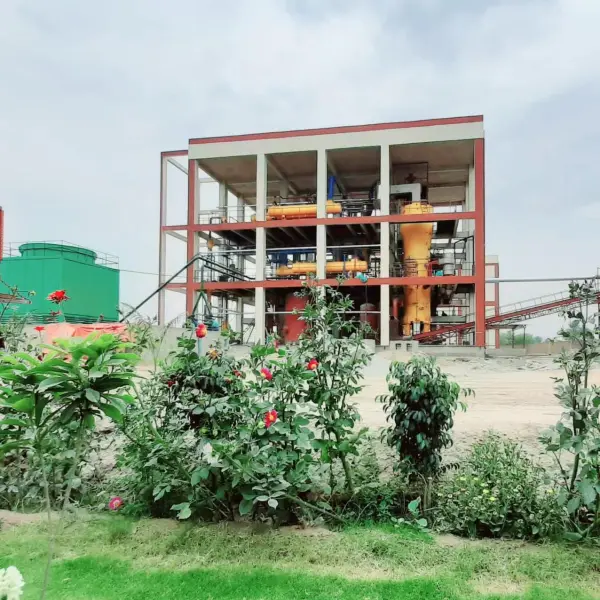
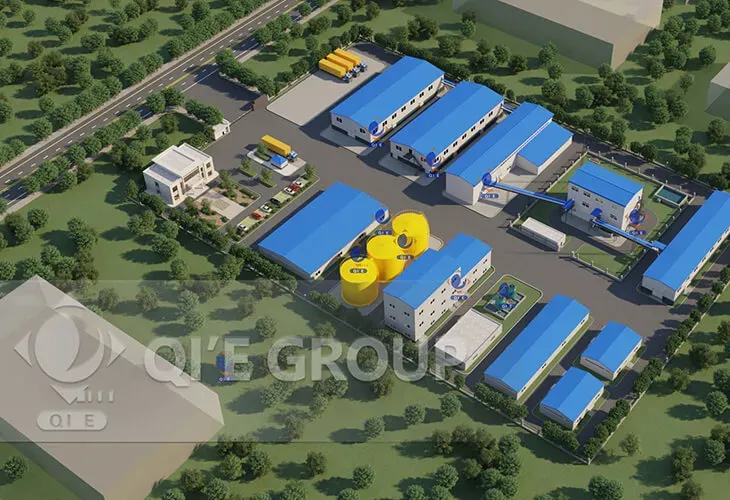
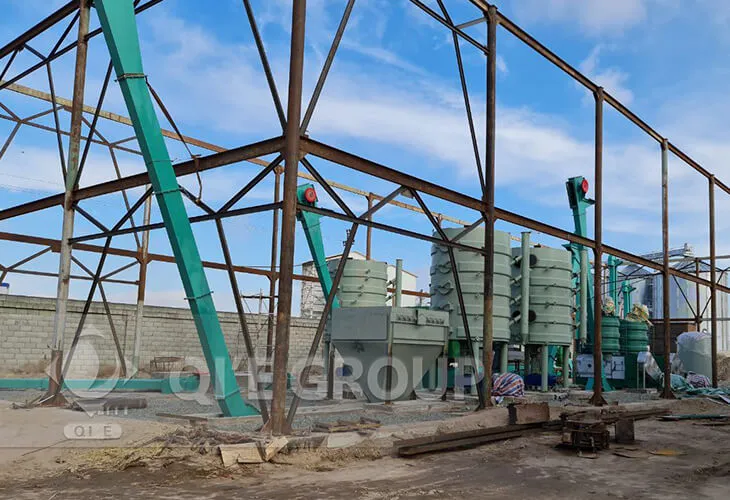
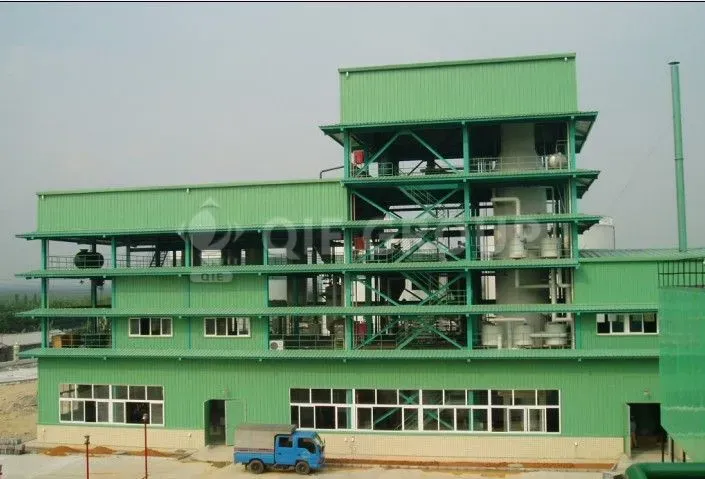
Corn Germ Oil Production Line

mmexport1714822004803.jpg

Product Details

Product Details

Advantages and Features:1. High extraction efficiency ensuring maximum oil yield.2. Energy-saving design reduces operational costs and environmental impact.3. Comprehensive coverage of pretreatment, extraction, and refining processes.4. Rigorous quality control with 72-hour factory testing.5. Over 100 patented technologies demonstrating technical leadership.6. Flexible customization options tailored to diverse customer requirements.7. Dedicated 24/7 after-sales service including installation and training support.

Corn Germ Oil Production Line: Efficient Extraction with Premium Quality

Corn germ oil is highly valued in the edible oil industry for its nutritional benefits and health advantages. Our corn germ oil production line integrates advanced technology and engineering design to deliver a comprehensive solution from raw material preparation to refined oil, ensuring high efficiency and excellent oil quality throughout the manufacturing process.

Process Overview

We provide two tailored processing methods for corn germ oil extraction, differentiated by capacity, with 100 TPD as the dividing line for optimal selection:

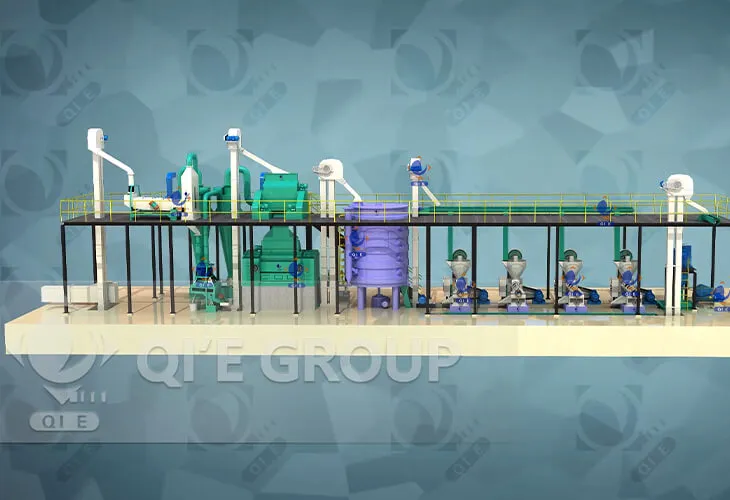
  1. Full Press Method (Ideal for ≤ 100 TPD): This approach employs a screw press as the main extraction equipment. Pre-steamed and roasted oil cake is gradually compressed inside the press chamber by the screw shaft, applying intense mechanical pressure that squeezes out the oil. Typically, the residual oil content in the pressed cake ranges from 6% to 8%. Advantages include a streamlined process, lower capital expenditure, and crude oil with rich flavor. The limitation is a relatively lower oil yield, making it suitable for small to medium scale producers.
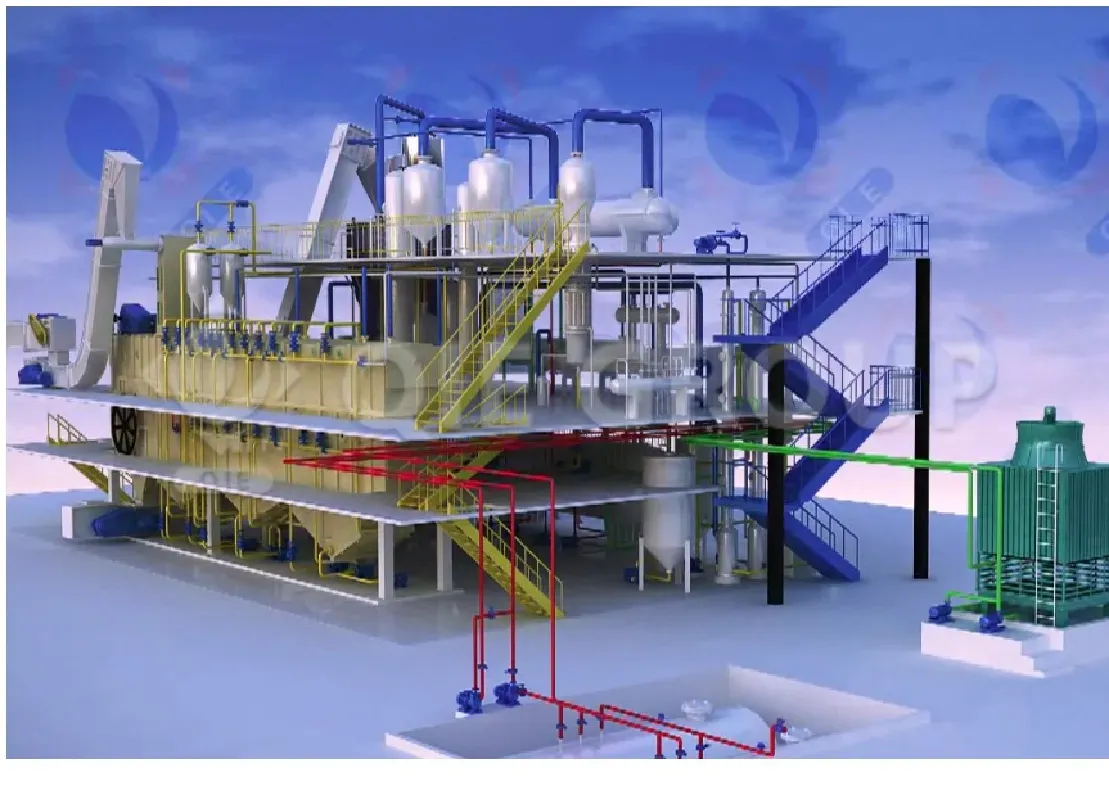
  2. Combined Pre-Pressing and Solvent Extraction Process (Ideal for > 100 TPD): This method uses a set of equipment including a pre-press, leaching system, evaporation unit, and DTDC solvent extractor. The pre-press removes a significant portion of the oil, leaving a cake containing 12%-18% residual oil. This cake is subsequently crushed and subjected to solvent leaching—commonly using n-hexane—in a countercurrent extraction setup to recover remaining oil with residual oil dropping to ≤ 0.5%. Solvent consumption is maintained at ≤ 1.5 kg per ton. This process achieves very high oil recovery efficiency, superior economics, and is optimized for large-scale continuous operations.

Sectional Process Details

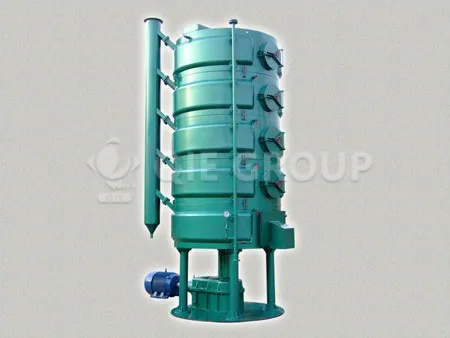
  1. Raw Material Pre-Treatment: This crucial stage ensures equipment safety, steady operation, and improved oil extraction rates. Initial cleaning includes vibrating and flat rotary screens plus powerful magnetic separators to remove starch, corn fibers, gluten, and any metal contaminants. Moisture adjustment (to 10%-12%) and heating to about 80℃ is done in a layered softening pan to enhance the germ’s flexibility and toughness. The softened germ is then flattened into thin sheets (0.3-0.5 mm) using a double-roll mill, breaking down cell walls. Following this, steaming and frying under controlled conditions reduce moisture content to 5%-7% and heat the material to 105-110℃ for optimal oil release.
  2. Pressing and Solvent Extraction: Depending on plant capacity, the oil extraction path differs. The small-scale full pressing uses screw presses to squeeze oil directly, while larger capacities employ a combination of pre-pressing and solvent extraction for deep oil recovery.
  3. Refining Section (Complete with Dewaxing): Essential for producing market-ready corn germ oil, refining includes dewaxing to enhance clarity and cold stability. The process entails hydration degumming followed by disc centrifugation for impurity removal. Neutralization is primarily done via physical refining paired with deodorization, streamlining operations and cutting costs. Decolorization incorporates activated clay adsorption and vacuum filtering, resulting in clear, pale yellow oil. Dewaxing is performed through controlled freeze crystallization and filtration, progressively cooling the oil from 30℃ down to 5-10℃ to promote wax crystal formation and effective removal. Final deodorization applies high-temperature vacuum steam distillation to eliminate odors and peroxides, elevate the smoke point, and deliver a stable, pure-flavored product.

Advantages of Our Solution

  • Optimized Oil Extraction Efficiency: Tailored extraction methods suited for various production scales maximize oil output and enhance profitability.
  • Top-Tier Oil Quality: Comprehensive refining including essential dewaxing guarantees a crystal-clear and stable oil product even under low-temperature conditions, meeting high-end market standards.
  • Durable and Dependable Equipment: Selection of premium core machinery ensures continuous, stable operation and consistent product quality throughout the production line.
Send us a message

If you wanna to get more details about You can send E-mail to [email protected]. You can consult our professional engineer and specialized sales team with leave a message in below form.We will contact with you ASAP.You also can visit our factory in Henan,China.

Name *
Email *
WhatsApp / Phone number *
Country
Message*

Hot Products

Flaxseed Oil Production Line for Cold Press, Hot Press & Pre-Press Extraction | QIE

1. 🌾 Pretreatment Section

This section is the foundation for ensuring oil yield and quality. It creates critical conditions for subsequent oil extraction through physical processing:

  • Cleaning: Uses vibrating screens, stone removers, and magnetic separators to remove impurities such as sand, stems, leaves, stones, and metal shavings, protecting downstream equipment and ensuring oil purity.
  • (Optional) Crushing: Uses a toothed roller crusher to break flaxseeds into fine particles, increasing surface area for better flaking performance.
  • Flaking: Uses a double-roll flaker to roll flaxseeds into uniform flakes of 0.3-0.5mm, maximizing cell structure disruption to ensure efficient oil release.

2. ⚙️ Oil Extraction Section - Three Flexible Routes

Route A: Cold Pressing Process

  • Core Equipment: Low-temperature screw oil press.
  • Process Principle: Directly presses at low temperature without heat treatment or only with low-temperature (<60°C) conditioning.
  • Product Features: Maximally retains heat-sensitive nutrients such as α-linolenic acid and lignans, with light color and mild flavor. Residual oil in cake is approximately 5%.

Route B: Hot Pressing Process

  • Core Equipment: Layered steam cooker, screw oil press.
  • Process Principle: Uses moist heat treatment (usually 100-120°C) to enhance flaxseed aroma, denature proteins, and coagulate oils before pressing.
  • Product Features: Rich oil aroma with traditional flavor.

Route C: Pre-pressing & Solvent Extraction Process

  • Core Equipment: Layered steam cooker, screw pre-press, extractor (rotary/loop type).
  • Process Principle: The steamed and cooked flakes are first processed by a pre-press to extract most of the oil, yielding a pre-pressed cake with residual oil of approximately 12-18%.
  • Commercial Decision Point: This cake can be sold directly as a high-protein feed ingredient for quick returns.
  • Extraction Option: For maximum oil yield, the pre-pressed cake can be sent to an extractor to recover residual oil using solvent, reducing final residual oil to around 0.5%.

3. 🧪 Refining Section

Pressed or extracted crude oil requires refining to become safe, stable, and standard-compliant edible oil:

  • Degumming: Uses hydration/acid refining combined with a disc centrifuge to remove gum-soluble impurities such as phospholipids and mucilage.
  • Deacidification: Removes free fatty acids and reduces acid value through alkali refining (neutralization) or physical refining (distillation).
  • Bleaching: Adds activated bleaching earth/activated carbon in a vacuum bleaching tower to adsorb pigments and improve oil color.
  • Deodorization: Uses high-temperature, high-vacuum steam distillation to remove off-flavors and peroxides, improving smoke point and oxidative stability.
  • (Optional) Winterization & Dewaxing: Freezes, crystallizes, and filters to prevent sedimentation in finished oil at low temperatures, improving visual clarity.

🎯 Process Comparison & Selection Guide

Process Type Core Features Product Advantages Application Scenarios
Hot Pressing Process High-temperature steaming & cooking, rich aroma Traditional full-bodied flavor Home cooking and catering where flavor is prioritized
Cold Pressing Process Low-temperature pressing, nutrient retention Retains natural nutrients, light color High-end nutritional & healthy oil market
Pre-pressing & Extraction Process High oil yield, cost-effective & efficient Significant cost advantage, large output Large-scale industrial production, mass consumer market
Rapeseed Oil Production Line for High Yield & Low Residual Oil | QIE

1. 🌾 Pretreatment Section

Pretreatment directly impacts oil yield and quality. Core steps include:

  • Cleaning: Removes dirt, stones, metal shavings and other impurities from rapeseed using magnetic separators, vibrating screens and stone removers. Protects downstream equipment, reduces wear and prevents foreign matter contamination.
  • Flaking: Uses roller mills to crush rapeseed into thin flakes, maximizing surface area and completely disrupting oilseed cell structure for easier extraction in subsequent processes.
  • Cooking: A critical step for hot pressing and pre-press solvent extraction processes. Typically uses a stacked cooker for moist cooking. Adjusts moisture and temperature of the flaked material to unlock rapeseed aroma, denature proteins, coagulate oils and prepare the material for optimal pressing conditions.

2. ⚙️ Pressing Process

Pressing methods are classified as hot pressing or cold pressing based on whether cooking is applied:

  • Hot Pressing Process: Cooked flakes are fed into a screw press for extraction under high temperature and pressure. Features higher oil yield and rich oil aroma, but high temperatures may cause some nutrient loss.
  • Cold Pressing Process: Cleaned rapeseed is directly pressed by a screw press or dedicated cold press at lower temperatures (e.g., 60-70°C) without heat treatment or only with low-temperature conditioning. Better retains natural nutrients like vitamin E, sterols and polyphenols, producing oil with light color and fresh flavor.
  • Filtration: Crude oil from pressing is filtered using equipment such as plate-and-frame filters to remove solid meal residues.

3. 🔬 Solvent Extraction Process

For maximum oil yield, large-scale production often uses the "pre-press + solvent extraction" method:

  • Pre-Pressing: Cooked flakes are first pre-pressed by a screw press to extract most of the oil, yielding a pre-pressed cake with residual oil content of approximately 12%-18%.
  • Extraction: Pre-pressed cake is fed into extractors (rotary, annular, or drag-chain type) and soaked with solvents like n-hexane to dissolve residual oil.
  • Solvent Recovery: The oil-solvent miscella is heated via evaporators and stripping towers to separate the solvent and obtain crude extracted oil. Solvent vapors are condensed and recycled. Wet meal is desolventized in a DTDC desolventizer to produce finished meal.

Extraction System Technical Parameters:

  • Residual Oil Content: ≤ 0.5% (extremely high extraction rate)
  • Solvent Consumption: ≈ 1.5 kg/t (very low consumption, high economic efficiency)
  • System Recovery Rate: ≥ 99.5% (safe and environmentally friendly)
  • Thermal Energy Efficiency: 10%–15% improvement (energy-saving and cost-reducing)

4. 🧪 Refining Section

Crude oil from pressing or extraction requires refining before consumption. Typical processes include:

  • Degumming: Heated crude oil is treated with water or dilute acid to remove gum-soluble impurities such as phospholipids via hydration or acid refining.
  • Deacidification: Food-grade sodium hydroxide solution is added, or physical distillation is applied, to neutralize and remove free fatty acids.
  • Bleaching: Activated bleaching earth or activated carbon is added in a bleaching tower to adsorb pigments (e.g., chlorophyll), residual soapstock and trace contaminants.
  • Deodorization: Under high temperature (220-240°C) and high vacuum, effectively removes odor-causing substances and peroxides, significantly improving the oil's smoke point and oxidative stability, achieving "zero trans fatty acids" and "zero glycidyl esters" standards.
  • Winterization (Optional): Oil is cooled, crystallized and filtered to remove solid fats, improving clarity and appearance.

🎯 Process Comparison & Selection Guide

Process Type Core Features Product Advantages Application Scenarios
Hot Pressing Process High-temperature cooking, rich aroma Traditional full-bodied flavor Home cooking and catering where flavor is prioritized
Cold Pressing Process Low-temperature pressing, nutrient retention Retains natural nutrients, light color High-end nutritional and healthy oil market
Pre-Press + Solvent Extraction Process High oil yield, cost-effective and efficient Clear cost advantage, large output Large-scale industrial production, mass consumer market
Product Parameters
Product Details
Service Guarantee